A useful romance reading tracker records the title and edition, the mood you wanted, the relationship dynamic, and a few observations about what worked. Add pacing, voice, content preferences, and one idea for your next read if those help. The point is to remember your taste clearly enough to choose another story, not to turn leisure into a performance report.
Start with a small repeatable entry. A notebook, a private note, or a simple spreadsheet can all work. The best tracker is the one you can consult when you want a book and maintain without resenting the interruption.
Decide what your romance reading tracker should help you remember
Before choosing fields, finish this sentence: I keep forgetting which books gave me… Your answer might be gentle reassurance, convincing rivalry, restrained dialogue, or a relationship that develops through practical collaboration. Those are the details your tracker should preserve.
A title list solves a different problem: remembering whether you have already read something. A detailed review records another: explaining your whole response. You can include either, but you do not need both to make better browsing decisions.
What should you track if you mostly read by mood? Record the mood you sought before reading and the experience you actually had afterward. Keeping both lets you see whether a disappointing evening came from an unwanted feature or from wanting something the book never promised.
For example, a suspense-heavy romance might be exactly what you enjoy on some nights and too crowded on others. Without the mood note, a low rating can conceal that distinction. Your tracker can hold the nuance without requiring you to defend it.

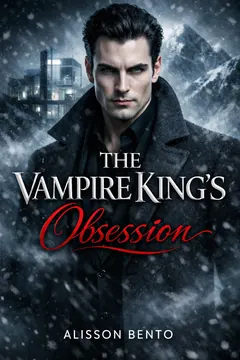
From Alisson Bento’s books
Vampire
A vampire romance about a captive bargain that turns into the only place she wants to be.
Kindle edition · Check Kindle Unlimited availability on Amazon.
A practical reading-log template with six useful fields
Copy these prompts into whatever tool you already use. Answer in short phrases; leave a field blank when it does not matter. A tracker should not force you to manufacture opinions simply because a box exists.
- Book and edition: title, author, language, and format; add series position when relevant.
- Mood sought: the feeling or experience you wanted when you chose it.
- Relationship dynamic: the setup or interaction that mattered to you, with any useful qualification.
- Pace and voice: how the storytelling and relationship development felt.
- Content preference: a specific detail you want to seek, check, or avoid in future.
- Next choice: one thing to repeat or change.
Record the edition so the title remains useful
Language, format, and series position can prevent confusion when covers change or you encounter another version later. For audio, you may want a separate note about the performance; that response is not identical to your response to the written narration.
Write mood in your own vocabulary
Wanted low-stakes teasing or wanted adults taking each other seriously tells you more than a vague good vibe. Your words need only be consistent enough for you to recognize them. You do not have to adopt someone else’s entire rating system.
Make next choice an actual instruction
Try another shared-task rivalry is useful. Find something good is too broad to change browsing. Keep the instruction small enough that you can act on it by checking a description or sampling a few pages.
Track tropes without losing what you liked about them
A trope label gives you a convenient starting category. It cannot preserve the exact treatment that won you over. Two second-chance romances may emphasize very different pleasures: patient rebuilding of trust in one, sharp unresolved tension in another.
Add a short modifier after the tag. Instead of recording only rivals to lovers, write rivals who respect each other’s expertise. Instead of forced proximity alone, try shared space with enough privacy to choose distance. These notes describe how the dynamic felt, not just that it appeared.
Should you record every trope? Only if you enjoy doing so or regularly use those tags later. A dozen labels can become noise when one interaction was the reason you cared about the book. Start with the dynamic that most influenced your enjoyment.
Distinguish an advertised trope from your reading impression when they differ. You might record advertised as enemies to lovers; felt more like professional competition. That preserves a useful preference without announcing a definitive genre ruling.
Your tracker can also separate setting from dynamic. Small town describes a fictional environment; fake dating describes a relationship arrangement. Keeping them distinguishable makes it easier to repeat one pleasure while exploring a different version of the other.
Separate story pace, romantic pace, and your own reading speed
When an entry says slow, it can mean several things. The external plot may unfold gradually, the couple may delay admitting feelings, or the paragraphs may require more attention than you wanted. Name the part that matters so the note gives you a usable direction.
A book can have fast-moving danger and a patient relationship arc. Another can feature early attraction but long pauses for explanation. If you combine all of that under one pace label, your future search may change the wrong feature.
Useful notes include romance developed gradually; scene movement stayed brisk, or dialogue appealed; repeated internal debate interrupted my flow. They offer observations you can test in another sample without pretending pace has one objective setting.
Do you need pages per day or completion times? No. Add them if they serve a practical purpose you want, but they do not tell you whether a relationship felt satisfying. An interrupted reading week says little about the story itself. Leave speed out if it starts competing with your pleasure.
For voice, record the experience instead of only the technical label. First person can cover very different narration. Liked restrained internal commentary will help you choose more effectively than assuming every first-person book will give you the same feeling.
Use one invented entry to see how the template works
The following is a hypothetical entry for an invented romance about two adult coworkers planning a lakeside festival. It is not a review of an existing book or a claim about anything in this site’s catalog.
- Book and edition: invented lakeside coworkers story; English ebook; independent couple story.
- Mood sought: witty competition with a reassuring emotional payoff.
- Relationship dynamic: rivals to lovers; both adults value the other’s skill before admitting attraction.
- Pace and voice: brisk shared-task scenes; patient trust-building; enjoyed dry humor.
- Content preference: liked disagreement without public humiliation; want less external danger next time.
- Next choice: another collaboration-based romance in a quieter setting.
This entry keeps the specific pleasure visible: admiration growing through competence. A five-star rating alone would not tell you that. The note about external danger also prevents you from treating every part of a favorite book as a feature you want repeated.
You could shorten the same entry to one sentence: Wanted witty adult rivals; loved mutual respect during a shared task; next time keep the banter and reduce the danger. Both versions work. Choose the amount of detail you would realistically write after closing a book.
Include samples, pauses, DNFs, and rereads honestly
A tracker does not have to contain only completed books. A sample can teach you something about voice. A paused title can preserve an appealing premise for another mood. A DNF, meaning did not finish, can record a preference that will improve the next selection.
Keep status separate from a judgment of quality
Use labels such as sampled, reading, paused, finished, or stopped. Then add a reason only if it helps. Paused because I wanted less suspense tonight is different from stopped because this particular theme is not for me.
Do not fill later-story fields with guesses after reading only the opening. Mark them unknown or leave them empty. If you sample a voice you enjoy, that does not establish the ending or every content theme. An honest partial entry is more useful than a falsely complete one.
For a reread, keep the earlier note and add a new response when it differs. Your current mood may bring a different detail forward. You can love a book twice for different reasons; there is no need to overwrite the first experience to make your history look consistent.
If you want more help with stopping decisions, the romance DNF guide explores how to distinguish a temporary mismatch from an enduring preference.
Look for patterns after several entries, not after every page
When you next want a book, skim a handful of relevant entries. Look for recurring pleasures: capability, attentive dialogue, a gentle setting, or emotional honesty after an awkward start. Then compare the qualifications you wrote beside broad trope labels.
If several favorite entries mention practical support, search for a dynamic that might deliver it rather than simply repeating every genre. If several disappointing entries mention too much outside danger, try a quieter premise before deciding romance itself has stopped appealing.
These patterns are clues, not rules. A few entries cannot prove what you will always love, and an exception can be interesting. Keep room for unfamiliar stories while using your notes to make a clearer request.
What if all your notes are negative? Add one small thing that worked when there was one: an image, an exchange, a capable side character. If nothing appealed, record that plainly. The aim is usable memory, not forced optimism.
For turning a pattern into a short search, see how to find romance books by trope combinations. Your log provides the preference; browsing and samples supply the next candidate.
Choose a tool and a privacy level you will keep using
A notebook works well for quick handwritten impressions. A plain digital note makes it easy to search your own phrases. A spreadsheet can help compare repeated tags. Choose based on what you need to retrieve, rather than how impressive the setup looks.
Should the tracker be public? Only if sharing is part of the experience you want. Private notes can include reactions and content preferences you would rather keep to yourself. You can later turn selected observations into a recommendation without publishing the whole log.
If you use a service, check its current visibility settings before recording personal details. Do not assume that a private-sounding feature name describes every sharing behavior. You can also keep sensitive notes separately from a public title list.
Leave elaborate backfilling optional. You can begin with the next book instead of trying to reconstruct years of reading from memory. After a few entries, remove fields you never consult. Add a field only when its absence repeatedly makes choosing harder.
Then open the romance catalog with one clear request from your notes. The tracker has done its job when it helps you recognize a promising story and returns you to reading.