For readers who like an academically skilled heroine, financial clues, and a Bratva captivity premise with institutional pressure at its entrance. The opening concentrates on transcription, suspicious repetition, and a watchful stranger, making it a choice for readers drawn to evidence-based suspense and guarded attraction.
43 books
Bodyguard Romance: Protection, Duty, and Attraction
Bodyguard romance makes attention part of a responsibility. Someone must notice danger, assess access, and remain close enough to act. That competence can be attractive, but it also raises intimate questions: who decides what safety requires, how much privacy survives the arrangement, and when care becomes a personal attachment? This shelf includes professional security and broader protector premises, from royal pressure to contested ranch land and supernatural danger. All books are standalone. To choose among them, begin with the threat and the heroine's own purpose. A woman preserving evidence, defending an inheritance, or seeking shelter may need protection for very different reasons. The most useful comparison is how that need changes her choices and her contact with the person offering help.
Compare these starting points
For readers drawn to fantasy courts, an exceptionally skilled tracker heroine, and a reverse-harem protector premise. The opening centers on collars, bond inspections, and the removal of a trusted friend, so it suits readers interested in oppressive institutions and unusual sensory abilities with concrete personal stakes.
Choose this for royal intrigue, a bodyguard romance, and a fake-marriage framework under political pressure. Aurelia's marked affidavit and refusal to accept the chancellor's interpretation suit readers who enjoy evidence-conscious heroines, compressed deadlines, and threats that operate through succession rules as well as personal intimidation.
For readers interested in a revenge heroine, covert work inside a charity gala, and a dark romance premise with an obsessive protector. Wren's donor persona, carefully selected tools, and timed opportunity suit readers who enjoy tactical social maneuvering and family grief carried into a dangerous public room.
The appeal of someone paying close attention
A protector's attention can make details matter that another person might overlook: an unfamiliar vehicle, a change in a route, a hand held too tightly, or a door that should have been locked. For readers, the attraction may lie in someone recognizing a problem before it has to be explained. It may also lie in practical competence under pressure, when care takes the form of a decision rather than a speech. Consider which of those pleasures brings you to this trope.
Attention becomes more complicated when the person being protected has something to keep private. A security arrangement can involve knowledge of appointments, relationships, work, and places usually reserved for solitude. The romantic interest comes partly from the overlap between seeing enough to protect someone and learning enough to understand them. A premise that emphasizes surveillance may create a different atmosphere from one centered on a negotiated assignment. Notice the source of the attention and whether the heroine has asked for it before choosing the intensity you want.
A bodyguard assignment and personal protectiveness differ
A formal role gives a character duties that exist independently of attraction. The person being protected may be a client, public figure, employer, or someone whose safety is tied to an institution. Personal protectiveness can arise without that job: a neighbor, ally, stranger, or potential partner intervenes because of an immediate situation. This catalogue places both kinds of premise on the bodyguard shelf. The individual description tells you which form of care organizes the opening.
That difference affects the questions a reader may enjoy following. Professional duty can bring tension over disclosure, boundaries, and responsibility to other people. An unexpected rescuer may instead raise the question of why this particular stranger is involved and whether accepting help is wise. Neither role automatically establishes trust. If you are drawn to restraint within a clearly defined job, look for an assignment. If decisive intervention is the main appeal, compare the circumstances of the rescue and the heroine's response rather than requiring a particular occupational title.
A royal threat puts protection beside public obligation
Shielding the Queen begins when Princess Aurelia is summoned from naval committee work to meet Chancellor Cedric Thorne. He presents a ledger accusing her late father of diverting defense funds and gives her seventy-two hours before hearings could suspend the succession. His price for burying the inquiry is a betrothal to Ambassador Fabian Cross. Commander Briggs Vance previously had to intervene during Cross's approach to her. Aurelia takes and marks a duplicate affidavit before leaving.
The royal bodyguard and fake-marriage premise makes protection part of a struggle over evidence, reputation, and political power. Aurelia is not simply waiting for another person to interpret the problem: preserving a distinguishable copy is her own practical response. Choose this example if you want the protective dynamic alongside public responsibilities and a proposed arrangement made under pressure. Compared with a sudden attack on a private business, the danger here arrives through official language and a deadline that can affect who is allowed to rule.
A rescue can happen before trust has time to form
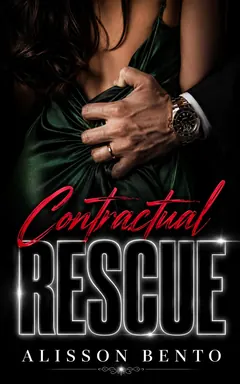
Contractual Rescue opens with photographer Vera Ansari waking to smoke and chemical heat in her studio. She saves her grandfather's camera, a go-bag, and a microSD containing eight months of verified names, dates, and original evidence as negatives burn. Her former clinical training helps her assess an arm injury. Outside, a pried lock and a masked man suggest that the fire was intended to drive her toward an abduction. Callum subdues the man and offers a brief opportunity to leave.
This billionaire protector and marriage-of-convenience setup may appeal if you want action to create the first difficult decision. Vera has already chosen what to preserve and assessed her injury; accepting a stranger's help is another judgment made with limited time. The evidence gives the rescue a concrete cause and something important beyond attraction. If you enjoy a heroine making practical decisions amid uncertainty, compare this opening with Aurelia's documentary caution. One handles a planned political meeting; the other must respond as a workplace is destroyed.
Ranch protection can include arguments about authority
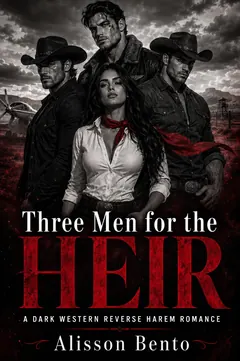
Three Men for the Heir begins with Celia Ortega inheriting her grandfather Mateo's high-country ranch and its senior spring, Dry Mercy. At the records office, questions from Mara Duvall's lawyer concern grazing, water history, and whether Celia has taken possession. Her city-planning experience helps her recognize the possibility of a land grab beneath orderly legal wording. Beck, Levi, and Tate accompany her as witnesses and protectors, while she insists that risk assessments must leave her decisions intact.
The opening makes the authority question explicit. Celia wants support without surrendering her standing as the heir. When Duvall's representative grabs her arm, the men's response includes force, a blocked exit, and recorded evidence. This western reverse harem offers a group protection premise grounded in property and water rather than a vague threat. Choose it if land, legal details, and a heroine negotiating how others may intervene are part of your reading interest. The ranch matters as a contested responsibility, giving the protective attention something specific to defend.
A supernatural rescuer can be part of the mystery
Her Gothic Guardians introduces Mhairi MacLeod pursuing questions about her sister Eilidh's death after seven years of challenging the accepted account. In Edinburgh, she follows a courier, photographs a ledger exchange, and recognizes a crowned-thorn seal from a property transfer. Seeing a creature feed on the courier changes the meaning of her evidence. Another man stops the attacker but demands her phone; Mhairi refuses. Before dawn, he names himself Lorcan and claims the mark connected to her sister.
This setup joins rescue to unresolved suspicion. The person who can stop an immediate danger also has a connection to the evidence the heroine needs. Readers who enjoy gothic atmosphere and questions about a protector's identity may prefer that uncertainty to a conventional security assignment. Mhairi's investigation is already active, and her refusal to hand over the phone makes protecting evidence part of the encounter. The comparison with a royal bodyguard is useful: one opening foregrounds institutional pressure, while this one makes the source of possible protection a question in itself.
Shelter under another person's control changes the mood
Ruined World, Fierce Protectors opens with Runa forcing the frozen blast doors of Aegis-7 because remaining in the blizzard offers little chance of survival. The mountain installation is supposed to be abandoned after military collapse, but its generator is running. A man disarms and pins her before she reaches the heat. Commander Garrison Miller, Beckett Cole, and Mathias Reed are members of a ghost squad believed dead with Eastern Command, and they question her arrival on a corrupted grid.
This post-apocalyptic military premise gives safety a severe practical cost from the first encounter. Runa needs shelter, while the men control access and regard her with suspicion. If you want environmental danger and uncertainty about whether refuge will be welcoming, that starting point may be compelling. It differs from a client hiring a trusted professional: the conditions of entry are being imposed on a survivor who has few alternatives. Consider whether that constrained position is the source of intensity you currently want to explore.
The heroine's skills change what protection means
A heroine who can read an account, preserve a document, recognize a land claim, or assess an injury brings knowledge the protector may need. That can make assistance more interesting than a simple division between a capable rescuer and a helpless recipient. Her vulnerability may come from the reach of the threat, the resources it controls, or the speed of events rather than a lack of ability. Looking for her specific competence is one way to choose a protection story with an active personal purpose.
The five openings above offer different examples. Aurelia marks evidence; Vera saves records and evaluates injury; Celia understands planning and property; Mhairi photographs a link in an investigation; Runa acts to obtain shelter. Those actions help you compare how each heroine meets danger. If you enjoy practical problem-solving, choose the work or responsibility you want to follow. If you want the emotional difficulty of needing another person, consider what her own skills can accomplish and where the situation forces her to seek help.
Care and control need to be read in context
Protection can be emotionally attractive while restrictions remain difficult for the person living under them. Limiting movement, monitoring communication, or intervening in a confrontation changes who gets to decide. Readers may be interested in that conflict itself, especially when a heroine questions methods that another character considers necessary. A forceful response to an external danger does not answer every question about what happens inside the protective arrangement.
For selection, ask how the opening defines the heroine's immediate choices. Can she negotiate an escort, keep evidence, reject a demand, or leave the location? Does the threat concern her body, livelihood, family, legal position, or knowledge of wrongdoing? These questions make different types of pressure easier to distinguish. They also help articulate a preference without assigning the same moral meaning to every protector. A stranger interrupting an abduction, three companions contesting a land grab, and armed men controlling a shelter all place the heroine in different relationships to help and authority.
Which adjacent trope should guide a shortlist?
Forced proximity is useful when the reason for sustained contact matters most to you. Forbidden attraction may appeal when a role or obligation makes desire difficult to acknowledge. Why choose adds several romantic connections to the protective setup, as the western heir premise demonstrates. Touch her and die foregrounds the appeal of a fierce response to threat. These interests can overlap, but each highlights a different aspect of the experience you may want.
Start with a single preference and then examine the setting. If public duties interest you, the royal opening gives an institution and a deadline to consider. If concrete evidence is your hook, the photographer or investigator offers a specific object to preserve. If you want a group working around contested property, the ranch premise gives you land and water claims. This approach keeps a shortlist focused without reducing every book to the same protective gesture. It also lets you choose a current mood without committing to a whole sequence of stories.
Does a protector guarantee safety, consent, or a particular heat level?
The bodyguard tag does not settle those questions. It describes the importance of protection or a protector, while the individual situation determines the authority involved and the heroine's options. It does not guarantee the absence of coercion, unwanted observation, or harm. Nor does professional competence tell you how explicit the romance will be or how the relationship will end. If a specific boundary determines your enjoyment, seek information for the particular title rather than treating an occupational or protective label as assurance.
All books on this shelf are standalone, so reading order need not decide your first choice. A practical way to begin is to name the threat you want to follow and the kind of heroine response that interests you. Evidence preservation, public resistance, an inheritance dispute, supernatural investigation, and survival all invite different forms of attention. Read the opening description with those preferences in mind. The result is a more personal selection: a protective premise whose work, atmosphere, and initial decisions give you a reason to spend time with these characters.
-
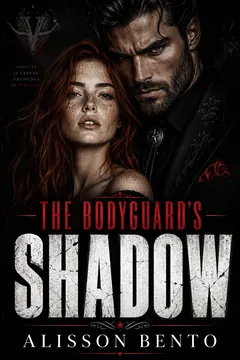 The Bodyguard’s Shadow
Buy on Amazon
See the book
-
 Protectors of the Deep
Buy on Amazon
See the book
-
 Bound by Three Beasts
Buy on Amazon
See the book
-
 Hidden in Montana
3.6 Buy on Amazon
See the book
-
 Saving the City Girl
3.8 Goodreads 4.00 (14) Buy on Amazon
See the book
-
 Hidden by the Boss
Buy on Amazon
See the book
-
 Shielding the Queen
Buy on Amazon
See the book
-
 Her Savage Guardians
3.8 Goodreads 3.67 (21) Buy on Amazon
See the book
-
 Beautiful Prisoner
Buy on Amazon
See the book
-
 Contractual Rescue
Buy on Amazon
See the book
-
 Shelter in the Dust
Buy on Amazon
See the book
-
 Operation: Protect Her
Buy on Amazon
See the book
-
 Pretty Little Huntress
Buy on Amazon
See the book
-
 His Pretty Little Prisoner
Goodreads 4.00 (12) Buy on Amazon
See the book
-
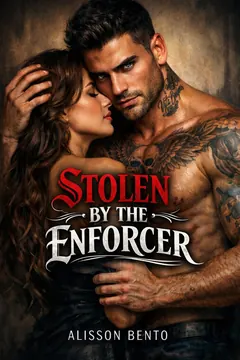 Stolen by the Enforcer
Buy on Amazon
See the book
-
 Ruined World, Fierce Protectors
Buy on Amazon
See the book
-
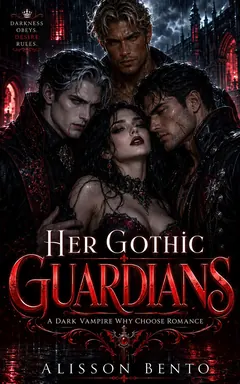 Her Gothic Guardians
Buy on Amazon
See the book
-
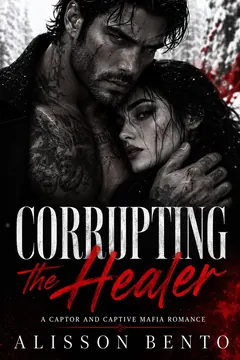 Corrupting the Healer
Buy on Amazon
See the book
-
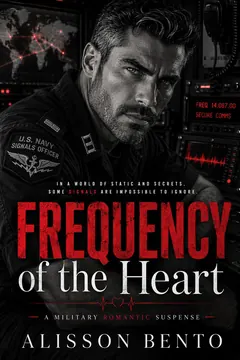 Frequency of the Heart
Buy on Amazon
See the book
-
 The Assassin’s Property
3.9 Goodreads 4.27 (11) Buy on Amazon
See the book
-
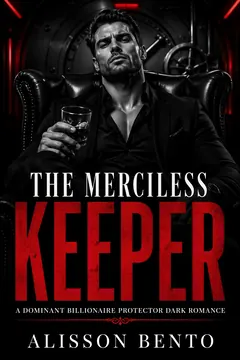 The Merciless Keeper
Buy on Amazon
See the book
-
 The Fake Wife Deception
Buy on Amazon
See the book
-
 Syndicate Secrets
Buy on Amazon
See the book
-
 Three to Protect
Buy on Amazon
See the book
-
 The Guardian's Bargain
Buy on Amazon
See the book
-
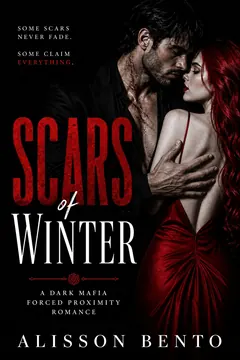 Scars of Winter
Buy on Amazon
See the book
-
 The Paparazzi Trap
Buy on Amazon
See the book
-
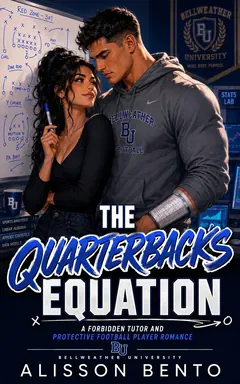 The Quarterback's Equation
Buy on Amazon
See the book
-
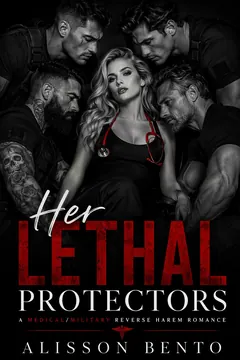 Her Lethal Protectors
3.0 Goodreads 3.43 (14) Buy on Amazon
See the book
-
 Guarded at Sea
Buy on Amazon
See the book
-
 The Marriage Protocol
Buy on Amazon
See the book
-
 Three Men for the Heir
Buy on Amazon
See the book
-
 Her Mercenary Husband
Buy on Amazon
See the book
-
 Caribbean Kingpin
Buy on Amazon
See the book
-
 Protected by the Dark
Buy on Amazon
See the book
-
 The Ivy League Obsession
Buy on Amazon
See the book
-
 The Silver Fox’s Obsession
Buy on Amazon
See the book
-
 Beautiful Manipulator
Buy on Amazon
See the book
-
 Corrupted Loyalty
Buy on Amazon
See the book
-
 Bloodline Enforcement
Buy on Amazon
See the book
-
 Coastal Crimes
Buy on Amazon
See the book
-
 Fixing Her Heart
Buy on Amazon
See the book
-
 New
Forty Nights to Ruin You
Buy on Amazon
See the book
Browse by what you crave.
By genre
By trope
- Find romance books by trope
- Possessive Hero
- Captor & Captive
- Debt & Bargain
- Enemies to Lovers
- Marriage of Convenience
- Forbidden Love
- Forced Proximity
- Small Town
- Fake Dating
- Arranged & Forced Marriage
- Boss & Employee
- Slow Burn
- College & Academia
- Secret Baby
- Single Dad
- Revenge
- Curvy Heroine
- Second Chance
- Fated Mates
- Royals
- Grumpy & Sunshine
- Morally Grey
- Runaway Bride
- Age Gap
- He Falls First
- Holiday Romance
- Touch Her and Die