Choose this for art provenance, a meticulous investigator heroine, and a Greek billionaire whose arrival follows a threatened evidence chain. Mara's photographs, custody receipts, and refusal to release the icon make this a fitting choice for readers who prefer professional boundaries and documentary intrigue within wealthy-family romance.
76 books
Possessive Hero Romance: Intensity and Power Dynamics
Possessive-hero romance draws readers toward concentrated attention and the difficulty of sharing control. The appeal may be the intensity of being wanted, the friction of a heroine resisting someone’s claim, or the question of what a powerful person believes desire entitles him to do. Those interests are not identical. A wealthy client confronting evidence, a creditor holding a ranch lien, and a supernatural figure appearing at the edge of town create different kinds of pressure. This standalone collection spans those settings and more. Begin with the heroine’s circumstances and the practical power surrounding the encounter. Then compare whether you want professional resistance, unfamiliar bonds, questions about safety, or a dangerous imbalance to organize the initial attraction.
Compare these starting points
For readers interested in a revenge heroine, covert work inside a charity gala, and a dark romance premise with an obsessive protector. Wren's donor persona, carefully selected tools, and timed opportunity suit readers who enjoy tactical social maneuvering and family grief carried into a dangerous public room.
For readers who want a scientist heroine, environmental investigation, and a cartel-boss fake-marriage premise. Emma's insistence on valid measurements and Yoli's local water knowledge suit readers drawn to professional rigor, community stakes, and surveillance that makes fieldwork dangerous before the romantic arrangement begins.
Choose this for a financially capable heroine, a family business under mafia pressure, and a debt-driven marriage framework. Siena's direct account of the laundry's failures gives the opening a precise working setting, while her father's offer turns professional usefulness into an intensely personal betrayal.
Intensity is a reading preference with several forms
Some readers come to this trope for exclusive attention: the sense that a particular person matters with unusual force. Others enjoy the conflict when that intensity meets someone who has her own rules. A further interest is the unsettling question of whether a claim expresses attachment or an attempt to control. Naming which aspect attracts you makes the shelf easier to navigate than treating every possessive character as the same kind of romantic figure.
Possessiveness is not simply confidence, wealth, or competence. A character can command an institution without a description establishing how he behaves in an intimate relationship. The tag directs you toward this dynamic, while the opening shows the environment in which it will matter. Look for the heroine’s initial position: is she confronting a demand, protecting evidence, seeking paid work, responding to an unfamiliar pull, or trying to survive? Those circumstances help you choose the kind of intensity you want to explore without assuming that a single gesture will define every story.
Distinguish desire from the power to impose a decision
A wish to keep someone close has a different practical meaning when the person expressing it controls money, housing, access, or physical force. Readers interested in power can compare the resources behind the attraction. A financial claim may threaten a place and a livelihood. An institutional command may affect the handling of evidence. A supernatural connection may challenge familiar explanations for what the heroine feels. Each creates different choices, even before the relationship has developed.
The heroine’s response is an equally useful filter. Does she set a custody rule, keep a professional standard, question a promise of shelter, or approach the person holding a debt? These are concrete ways to see resistance or uncertainty rather than relying on the word strong. If you enjoy a clash of wills, choose a premise where both the demand and the heroine’s priority are clear. If mystery is the attraction, look for what she cannot yet explain. The same broad theme can support professional disagreement, financial confrontation, or a bond whose meaning she must discover.
A specialist refuses to let wealth settle the evidence
Claimed by the Greek Billionaire introduces provenance investigator Mara Vale examining a religious icon in Sienna’s London studio. Its apparently perfect ownership trail does not convince her. A newer blue stroke, an inventory number in the wrong place, and a receipt stamped across the wrong crease suggest a manufactured history. Someone attempts to collect the object through the service entrance under the authority of the Andreadis risk office. Mara documents the incident, seals a pigment sample, and retains the icon under her own custody rules.
Leandros Andreadis is flying in to confront the scandal. This opening may interest readers who want expertise to meet wealthy command. Mara’s standards give her something specific to resist surrendering: evidence and responsibility for an object. The initial question is not merely whether a powerful man is attractive, but whether his authority can displace what a specialist knows. Choose this setup for professional judgment, suspicious records, and an encounter whose imbalance is already being answered through concrete procedures rather than only through declarations of independence.
A winter job makes promises of safety difficult to read
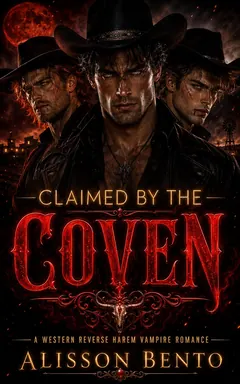
Claimed by the Coven begins with Juno seeking cash-paid winter work at a remote ranch, without papers or questions. Manual labor has given her calluses and independence, but a healed bullet graze and memories of bought loyalty keep her counting doors. Foreman Thatcher accepts her work on strict terms, including a prohibition on entering the Big House after dark. Bunkhouse workers Callum and Declan offer conversation and supper that she finds harder to trust than an explicit warning.
This western vampire reverse-harem opening gives shelter an uneasy meaning. Juno needs the roof and work, yet past experience has taught her that kindness can belong to someone else’s payroll. Readers who enjoy guarded perception and uncertain refuge may prefer this to a direct confrontation over a debt. The locked house and its rule supply a specific mystery beside the need for income. Compare whether you want a heroine resisting a visible command or deciding how to interpret seemingly ordinary help when safety has become something she no longer accepts at face value.
An unfamiliar pull begins inside a familiar working life
Claimed by the Ash Wolves introduces Wren keeping Sutton’s Bakery warm for Coldwater residents after her grandmother Eseld’s death. Rent and flour are difficult to cover. Her sensitive nose, long useful in the kitchen, starts detecting smoke, honey, and the suggestion of fire on her own skin. Dreams of burning accompany the scent. One night, while disposing of scorched shortbread, she notices the dogs stop howling and silver eyes watching from the Ashwood. An enormous wolf steps out, scents her, and makes a sound close to her name.
The opening places attraction beside an unexplained sensory change. Wren feels drawn despite obvious danger, giving the shifter reverse-harem premise a different question from Mara’s evidence dispute. A familiar skill becomes a way to notice something unfamiliar in herself. Choose this example if you want a small working world disturbed by supernatural attention. The bakery, recent loss, and money worries give Wren a life before the encounter, while the scent and wolf make the new connection something she cannot explain through those ordinary responsibilities alone.
A ranch lien makes the imbalance financial and personal
Owned by the Ranchers opens with Page Holden returning to the Bitterroot Valley during a blizzard, nearly broke after trying to build a life training horses elsewhere. Her father’s death leaves a cold, damaged ranch and a foreclosure notice earlier than the bank’s promised grace period. The debt is two hundred and eighty thousand dollars. The seized assets include Tempest, the stallion whose trust and ability could still give her a future. A new lien belongs to the McCarthy Estate Trust, signed by Theo, Martin, and Carl.
Page associates those men with her family’s ruin. With broken pipes, no heat, and an approaching auction, she drives up the ridge to confront the creditors. This premise may suit readers interested in a threatened livelihood and a heroine approaching the people who hold practical leverage over it. Compared with Juno’s search for anonymous work, Page’s encounter carries a known personal association and a specific financial claim. Choose according to whether you want uncertain refuge or an explicit confrontation over property, debt, and an animal whose future matters to the heroine.
When the heroine herself contains the contested evidence
Neural Obsession begins with Odesa Lin stealing a ledger that could expose undercity bribes, debt contracts, blackmail, and hidden routes. Cornered in Sector 4, she uploads it into a refurbished Cortex-9 implant before the Dax-Kross-Rove Syndicate can seize the drive. Her nervous system becomes the only remaining container for data the implant cannot safely hold. Jaro Kross disarms her, Malek Rove identifies a lethal compression lock, and Torian Dax orders transport as her body starts to fail.
This dark cyberpunk reverse-harem setup makes the relation between preserving a prize and keeping a person alive immediate. Readers drawn to body technology and dangerous information may prefer it to a conventional financial or property claim. Odesa’s own decision creates the urgent problem, but the men pursuing her now have reasons to respond to its physical consequences. The premise invites questions about value and control when evidence cannot be separated from its bearer. Compare it with Mara’s icon: one heroine keeps custody of an object, while the other has made herself its container.
Possessiveness, protection, and jealousy are different questions
Protection concerns a response to danger. Jealousy concerns a perceived threat to affection or attention. Possessiveness concerns a claim and the wish to keep someone within reach. These ideas can overlap, but selecting one does not establish every aspect of the others. A protective action may be appealing while still leaving questions about authority. A desire for exclusive attention may be emotionally interesting without a description naming a rival. Look for the particular behavior or circumstance the book actually presents.
This distinction is useful when choosing an adjacent shelf. Bodyguard romance gives protection a prominent place. Touch her and die highlights fierce response to a threat. Why choose concerns multiple romantic connections rather than a single hero’s intensity, as several examples here demonstrate. If your interest is the possessive dynamic itself, ask what the heroine would be expected to yield and what she wants to retain. That is often a more precise reading preference than simply wanting the most powerful character or assuming power always means the same kind of attention.
The setting changes what a claim can reach
A contemporary professional setting can place pressure on records, reputation, work, and ownership. A western setting may make land, animals, winter shelter, and income tangible sources of leverage. A supernatural premise can introduce sensory knowledge or rules that characters cannot explain through ordinary experience. Cyberpunk can turn the body and its technology into part of the contest. Those differences matter if you like the theme but want a particular atmosphere around it.
Use the practical object of conflict to compare. Mara has an icon and a chain of ownership to examine. Juno needs paid labor and a place to sleep. Wren has a bakery and an unfamiliar scent. Page has a ranch, a lien, and Tempest. Odesa has data inside an implant that is failing. These are five different reasons for pressure to feel personal. Selecting by the thing the heroine needs to preserve helps keep intensity attached to a story you want to follow, rather than treating the possessive label as a complete account of the reading experience.
Can a heroine resist and still be drawn to the dynamic?
Resistance and attraction can be separate responses to the same encounter. A character may notice someone’s force while rejecting the authority he assumes. She may need help and distrust its source, or feel a pull she cannot yet explain. Readers can be interested in those contradictions without requiring the beginning to provide a comfortable answer. What matters for choosing is the kind of contradiction: professional judgment, material dependence, suspicion of kindness, or unfamiliar desire.
Compare the heroine’s immediate aim with what makes closeness difficult. Mara wants accurate evidence; Page wants to protect a remaining future; Juno needs work without exposure; Wren is trying to sustain a bakery; Odesa has made a desperate choice about stolen information. If you like an active heroine, these goals give you concrete reasons to inspect their stories. They do not make the pressure harmless. They show what each character brings to the encounter and why the conflict is about something she values beyond simply receiving attention.
Does possessive mean a particular ending or set of boundaries?
The tag does not guarantee a heat level, a happy ending, the absence of cheating or abuse, or a specific relationship configuration. It also does not turn control into consent. When a personal boundary determines whether a book will suit you, consult information for that title. A multiple-partner tag requires its own consideration; it does not explain all relationships between the partners. Titles using words such as claimed or owned likewise cannot replace the book’s actual circumstances.
Every book here is standalone, so begin with the setting and the initial imbalance that interest you. Name one concrete preference: expertise facing command, a doubtful refuge, supernatural attention, creditors holding land, or evidence carried inside the body. Then read the description for the heroine’s objective and the source of practical power. That approach makes a shortlist more useful than ranking intensity in the abstract. You can choose a story with a problem you want to follow while keeping questions about content and boundaries tied to the individual book.
-
 Bestseller
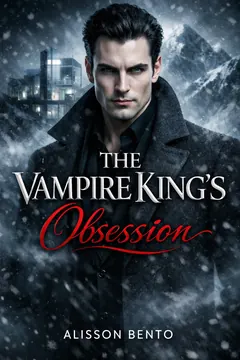
The Vampire King’s Obsession
4.1 Goodreads 4.04 (51) Buy on Amazon
See the book
-
 Bestseller
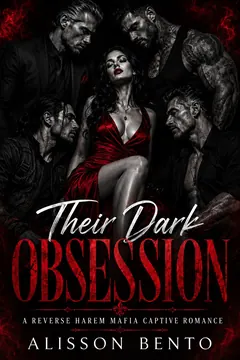
Their Dark Obsession
3.4 Goodreads 3.58 (19) Buy on Amazon
See the book
-
 Bestseller
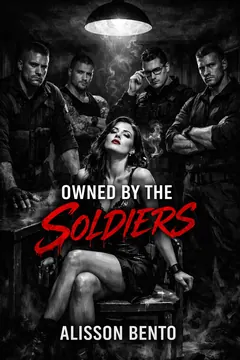
Owned by the Soldiers
4.4 Goodreads 4.08 (59) Buy on Amazon
See the book
-
 Bestseller
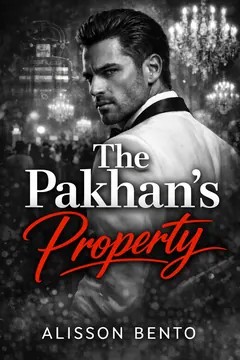
The Pakhan’s Property
3.8 Goodreads 4.07 (27) Buy on Amazon
See the book
-
 Bestseller
Claimed by the Mountain Kings
4.4 Goodreads 4.22 (23) Buy on Amazon
See the book
-
 Bestseller
Shared Mafia's Property
4.0 Goodreads 4.29 (41) Buy on Amazon
See the book
-
 Bestseller
The Pakhan's Obsession
4.0 Goodreads 3.77 (31) Buy on Amazon
See the book
-
 Owned by the Greek Billionaire
4.2 Goodreads 4.38 (40) Buy on Amazon
See the book
-
 Claimed by the Ash Wolves
4.4 Goodreads 4.33 (12) Buy on Amazon
See the book
-
 Property of the Iron Corsairs
3.9 Goodreads 4.06 (18) Buy on Amazon
See the book
-
 Property of the Camorra
3.9 Goodreads 3.62 (26) Buy on Amazon
See the book
-
 The Oligarch’s Obsession
Buy on Amazon
See the book
-
 Owned by the Pakhan
3.6 Goodreads 3.79 (14) Buy on Amazon
See the book
-
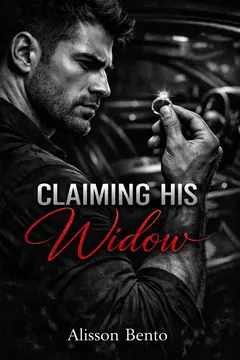 Claiming His Widow
4.2 Goodreads 4.41 (22) Buy on Amazon
See the book
-
 Claimed by the Trinity
4.0 Goodreads 3.89 (18) Buy on Amazon
See the book
-
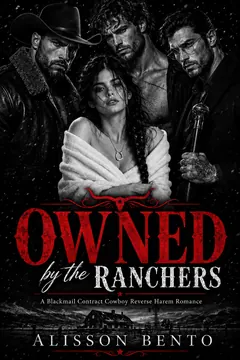 Owned by the Ranchers
Buy on Amazon
See the book
-
 Owned for 30 Nights
4.1 Goodreads 4.25 (12) Buy on Amazon
See the book
-
 Claimed by the Greek Billionaire
Buy on Amazon
See the book
-
 Bought by the CEO
4.0 Goodreads 4.00 (12) Buy on Amazon
See the book
-
 Operation Obsession
3.8 Buy on Amazon
See the book
-
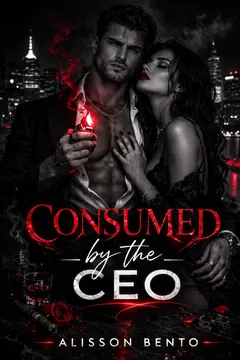 Consumed by the CEO
Buy on Amazon
See the book
-
 The Lawson Brothers
3.2 Goodreads 3.71 (14) Buy on Amazon
See the book
-
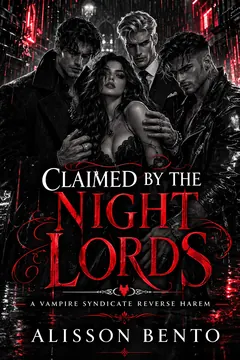 Claimed by the Night Lords
3.6 Buy on Amazon
See the book
-
 Beautiful Property
3.9 Goodreads 4.11 (27) Buy on Amazon
See the book
-
 Pretty Little Huntress
Buy on Amazon
See the book
-
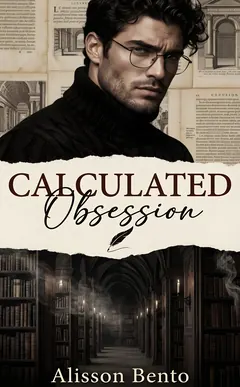 Calculated Obsession
3.7 Goodreads 3.63 (41) Buy on Amazon
See the book
-
 The Don's Collateral
Buy on Amazon
See the book
-
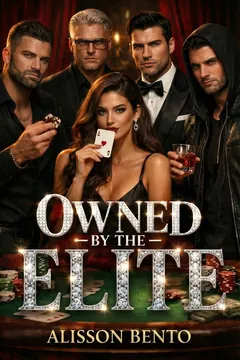 Owned by the Elite
3.9 Goodreads 3.90 (21) Buy on Amazon
See the book
-
 Property of the Partners
Buy on Amazon
See the book
-
 Obsessive Need
4.2 Goodreads 4.36 (11) Buy on Amazon
See the book
-
 His Collateral Bride
Buy on Amazon
See the book
-
 Ruin Me, Madd
3.6 Buy on Amazon
See the book
-
 The Doctor's Property
4.3 Goodreads 4.24 (17) Buy on Amazon
See the book
-
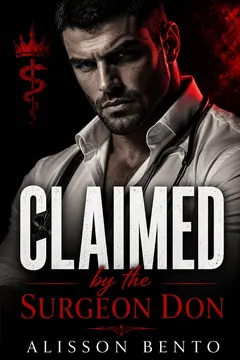 Claimed by the Surgeon Don
Buy on Amazon
See the book
-
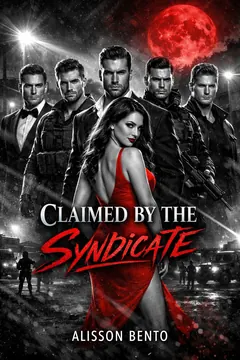 Claimed by the Syndicate
3.6 Goodreads 3.75 (12) Buy on Amazon
See the book
-
 Decoding Their Obsession
Buy on Amazon
See the book
-
 Claimed by the Coven
Buy on Amazon
See the book
-
 The Assassin’s Property
3.9 Goodreads 4.27 (11) Buy on Amazon
See the book
-
 My Perfect Patient
Buy on Amazon
See the book
-
 Four to Claim Her
Buy on Amazon
See the book
-
 Kept by the Brothers
3.1 Goodreads 3.00 (13) Buy on Amazon
See the book
-
 Claimed by the Winter King
3.5 Goodreads 3.82 (17) Buy on Amazon
See the book
-
 The Cartel’s Obsession
Buy on Amazon
See the book
-
 Claimed by the Operatives
Buy on Amazon
See the book
-
 Owned by the Duo
Goodreads 3.60 (10) Buy on Amazon
See the book
-
 Claimed by El Jefe
Buy on Amazon
See the book
-
 His Personal Surgeon
3.9 Goodreads 4.12 (17) Buy on Amazon
See the book
-
 The Ivy League Obsession
Buy on Amazon
See the book
Browse by what you crave.
By genre
By trope
- Find romance books by trope
- Captor & Captive
- Bodyguard & Protector
- Debt & Bargain
- Enemies to Lovers
- Marriage of Convenience
- Forbidden Love
- Forced Proximity
- Small Town
- Fake Dating
- Arranged & Forced Marriage
- Boss & Employee
- Slow Burn
- College & Academia
- Secret Baby
- Single Dad
- Revenge
- Curvy Heroine
- Second Chance
- Fated Mates
- Royals
- Grumpy & Sunshine
- Morally Grey
- Runaway Bride
- Age Gap
- He Falls First
- Holiday Romance
- Touch Her and Die