Choose this for a mechanically skilled heroine, a hazardous ash-waste setting, and three rivals forced to share a moving refuge. The opening gives particular weight to operating rules and sworn terms, making distrust as practical a problem as the storm outside.
37 books
Debt Romance: Obligations, Offers, and the Price of Refusal
A debt can bring somebody else’s decision into the heroine’s present. Money she did not borrow may threaten a place she maintains, a relative she protects, or the work through which she hoped to remain independent. Yet not every debt romance begins with an amount being collected. Some introduce an unusually well-paid assignment; others place obligations inside a survival bargain whose terms need close attention. The useful question is how an obligation becomes personal. This collection gathers standalone novels across criminal, billionaire, supernatural, and fantasy settings. Compare who owes, who claims payment, what must be preserved, and how much time remains. A demand at a bank, a commission in an isolated mansion, and a proposal to rescue an archive offer different kinds of tension. The heroine’s available tools matter as much as the creditor’s resources. You may want documentary scrutiny, protective family loyalty, professional judgment, or the uncertainty of signing terms in an emergency. Choosing that practical interest makes the debt more informative than a general promise of powerful men and expensive consequences.
Compare these starting points
Choose this for a financially capable heroine, a family business under mafia pressure, and a debt-driven marriage framework. Siena's direct account of the laundry's failures gives the opening a precise working setting, while her father's offer turns professional usefulness into an intensely personal betrayal.
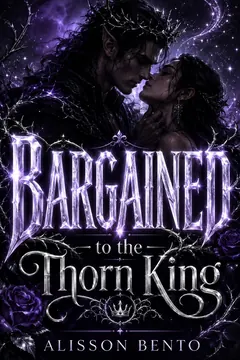
Choose this for a bookbinder heroine, a fae marriage bargain, and a border crisis with a fixed eclipse deadline. Nora's concern for her sister and inherited shop gives the offer specific stakes, while her attention to wording suits readers who enjoy negotiating the limits of magic.
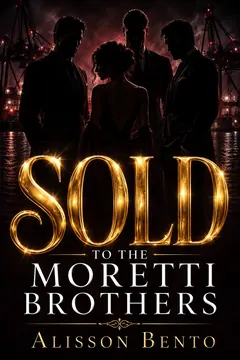
Choose this for an inherited waterfront hotel, a heroine who reads the loan documents herself, and a romance involving three mafia brothers. The opening emphasizes a payment deadline and a guarantee reaching into Priya's own business, giving financial pressure a specific cost beyond the threatened building.
Separate the debtor from the person facing the consequences
Start with the ownership of the obligation. If the heroine borrowed the money, she may already understand the terms even when she cannot meet them. If a parent or sibling created the debt, surprise and family responsibility enter the situation differently. The money can be precise while responsibility remains contested. You might enjoy a woman challenging why she must answer for an agreement she never saw, or someone trying to preserve a family enterprise despite knowing its accounts intimately.
Also identify the route through which the claim reaches her. An inherited asset may bring a loan into a formal meeting. A relative’s injuries may turn an unexplained absence into an immediate demand. A fee matching the obligation may look like a solution before it feels like pressure. These are general distinctions for comparing descriptions, not interchangeable scenes promised by the tag. Ask which event turns the debt from a number into a decision the heroine must make. That moment often reveals the emotional interest more clearly than the size of the balance.
A bank meeting gives inherited pressure a documentary form
Sold to the Moretti Brothers brings Priya Navarro to her grandmother’s bank with a loan file she has already read and tabbed. The meeting still delivers difficult news: a 4.1-million-dollar balloon payment falls due in eighty-seven days. A personal guarantee exposes more than the inherited Ostrander hotel. Cesare Moretti attends as an interested party and later says his family plans to buy the note if she cannot pay. Valen and Santino control other sections of the waterfront around the property.
Priya asks about servicing terms, assignment language, and missing notices. Choose this why-choose mafia opening if the mechanics of a financial claim interest you. The creditor’s reach extends through the surrounding waterfront, while the heroine’s questions seek the actual structure of what she has inherited. The scene makes preparation useful without pretending it prevents bad news. It also offers a distinct kind of suspense: which documents explain the claim, and who stands to gain if the deadline passes?
A generous commission can be unsettling because it fits too well
Purchased in Blood gives rare-documents conservator Maren O’Shea a three-week library assignment. Its extraordinary payment exactly matches the debt left by her sister Rosalind. Maren arrives at a decaying Newport mansion as a nor’easter closes in. Housekeeper Thaddeus Finch and cook Genevieve offer warmth, but their unease and reluctance to discuss the owner leave her uncertain about the arrangement. Neglected manuscripts inspire both professional anger and a desire to preserve them.
Her room creates a different set of observations: a window that barely opens, a steep drop outside, and a freshly maintained lock in a deteriorating building. This billionaire vampire premise may appeal if you prefer an apparent solution acquiring troubling details to a collector making an explicit demand. Maren has a valuable skill and genuine interest in the work. The payment’s exact fit, isolation, and uneven maintenance make accepting employment a decision with more to examine than the fee.
Preserving an archive can make an offer difficult to dismiss
In Bought by the CEO, librarian Jessica Baldwin has thirty days to find 1.2 million dollars or lose the Antiquarian Archive her family has maintained for generations. Her father’s concealed loans remain after his death. Long working weeks and depleted savings have not solved the problem. Rowena Robson of Savage Industries approaches the circulation desk with an offer tailored to that predicament. CEO Erasmus Savage needs a wife because the board has imposed a public-image requirement.
The company offers to clear the archive’s debt and fund its operation for fifty years in exchange. This opening can interest readers who want the desired benefit to be both immediate and durable. Jessica is asked to trade a personal future for the books, building, and family history she cannot otherwise save. Compare this with Maren’s commission: both offers answer a precise financial need, but one initially appears as paid professional work and the other states a marital role. Decide which kind of proposed exchange you want to inspect.
Family loyalty can lead the heroine toward the creditor
Bought by the Pakhan Triad introduces Lena Hart struggling with her Miami bakery’s accounts before Danny, her brother, arrives injured. His private gambling has created a 1.3-million-dollar debt. The men behind the Mirage Room require his presence at the Calypso that night, and Lena refuses to let him go alone. Nicolás Varela controls the meeting room and the document Danny signed, but she does not accept either as a reason to abandon her own judgment.
Lena presses for daylight, lawyers, and terms she can examine rather than a frightened signature below the gaming floor. Rian and Luca bring security and legal calculation into the household’s response. This why-choose Bratva opening may suit readers interested in a businesswoman entering danger through family loyalty while defending her right to negotiate. Unlike Jessica’s offer at the archive desk, Lena actively accompanies the debtor to the institution holding his claim. Her practical approach to bakery problems encounters a system whose demand has become impossible to portion into ordinary manageable amounts.
Medical urgency changes the meaning of a marriage offer
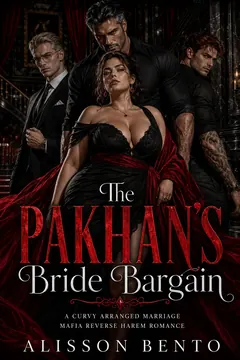
The Pakhan’s Bride Bargain follows Amara Costa, who makes wedding gowns while trying to sustain what remains of her family. The Sokolovs destroyed her father’s shipping business. Their seal now reaches her atelier on an offer of marriage to the head of their house. The proposal would erase the Costa debts and finance the urgent heart surgery her mother cannot afford. Refusal therefore threatens more than a financial balance or a professional plan.
Amara demands that her mother’s treatment be secured first and insists on reading the agreement before witnesses. Her work remains part of the identity she brings into the negotiation. Choose this arranged-marriage, why-choose mafia premise for the overlap between medical urgency and financial coercion. Compared with Lena’s demand for examined terms at the casino, Amara gives priority to the concrete condition that matters most immediately: treatment. The source of pressure helps you distinguish loyalty to a sibling from an offer attached to a parent’s urgent care.
A survival contract can introduce obligations beyond money
The Ash Crawler Bargain begins after Zephyra Vale has spent three years rebuilding the Iron Maiden, a steam crawler that can shelter her from the ash wastes. A lethal storm brings three salvage rivals to its door: Seelie engineer Bramwell Gears, Unseelie warlord Vesperon Nyx, and disgraced human paladin Orin Redwood. Their supplies and knowledge of the Silverspire vaults could improve survival, but each gives her a reason for distrust.
Zephyra makes entry conditional on explicit oaths against violence and sabotage, with her authority over the vessel written into the bargain. The deeper blood-bound consequences remain insufficiently examined. This dark fae why-choose opening offers a different route into the collection: an obligation formed around shelter and survival rather than an announced cash debt. If you enjoy terms negotiated by a heroine who controls a necessary resource, compare Zephyra with Priya. One sets conditions for access to her vessel; the other investigates conditions attached to an inherited financial claim.
The threatened resource makes the amount emotionally legible
A large figure matters when you can see what its nonpayment would interrupt. An archive contains years of custodianship; a hotel occupies a specific waterfront; a bakery requires ordinary costs to be paid while a family crisis grows. A medical offer attaches the decision to care that cannot simply wait. Choose a resource you enjoy reading about. That gives the financial premise texture and makes the heroine’s attention more understandable than a general statement that she needs money.
The examples also differ in what remains hers to contribute. Maren has conservation skill that makes the commission meaningful. Jessica has a place and collection she keeps working to sustain. Priya has prepared documents and questions. Lena brings business judgment and a refusal to leave Danny alone. Amara has a professional identity and explicit conditions. Zephyra owns the shelter others need. These tools do not make every exchange equal, but they make the heroine’s participation concrete. Consider which resource you want to see defended before choosing the setting around it.
Compare deadlines with the freedom to inspect an offer
The time available can alter the kind of pressure you enjoy. Eighty-seven days for a balloon payment creates a different beginning from a summons to a casino that night. A thirty-day archive deadline offers a clear countdown, while a closing storm can make shelter urgent before every consequence of a contract has been understood. Ask whether you prefer a visible interval for planning or a decision whose urgency makes incomplete knowledge part of the tension.
Then look at the acts the heroine can take within that interval. Priya arrives with a tabbed file; Lena asks for circumstances in which terms can be reviewed; Amara demands witnesses and treatment first; Zephyra writes authority and prohibitions into the bargain. The point is not to predict which action will succeed. It is to choose the form of resistance or scrutiny that interests you. A debt story can make questions themselves dramatic when another person expects speed, gratitude, or immediate compliance.
Debt, captivity, and practical marriage describe different features
Debt identifies an obligation and the pressure attached to settling it. Captivity identifies restrictions on leaving. Marriage of convenience identifies a practical reason for a union. A single premise can combine them, but a loan does not automatically establish confinement or a wedding. Purchased in Blood begins through a paid commission with troubling room details; Bought by the CEO states a proposed wife role; The Ash Crawler Bargain introduces oaths around a vessel and survival.
Use the neighbouring guide that matches the feature you most want to follow, then return to the individual problem. If the attraction is in bargaining over a practical union, examine the offered benefit and expected role. If difficulty leaving matters most, investigate the confinement premise. If you want financial responsibility becoming personal, stay with who owes and what the claimant demands. This distinction keeps an evocative title from replacing the actual setup and helps separate promises, conditions, and unresolved questions.
Choose the obligation that makes you curious
A brief shortlist can begin with one contrast. Priya faces inherited finance and a prospective note purchase. Maren accepts a precisely paid conservation job in an isolated mansion. Jessica considers a wife proposal to preserve an archive. Lena accompanies her injured brother into a casino negotiation. Amara demands treatment before a marriage bargain proceeds. Zephyra controls shelter but confronts consequences within a blood-bound agreement. Each gives the obligation a different entry point into the heroine’s life.
These books are standalone selections. For sexual detail, sensitive material, relationship boundaries, or endings, consult the individual title’s information rather than inferring it from debt. The collection does not promise one solution, one level of violence, or a universal pattern of rescue. Choose by the question you want to keep asking: who should carry this obligation, what is worth preserving, and what can the heroine demand before accepting someone else’s proposed answer? A concrete interest in the bargain is the strongest starting point for this shelf.
-
 Bestseller
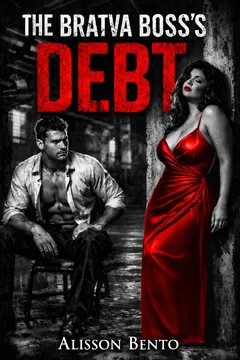
The Bratva Boss's Debt
3.8 Buy on Amazon
See the book
-
 Bestseller
Sold to the Night
4.4 Goodreads 4.11 (27) Buy on Amazon
See the book
-
 Bestseller
Bought by the Pakhan Triad
Buy on Amazon
See the book
-
 Purchased in Blood
Buy on Amazon
See the book
-
 Sold to the CEO
4.0 Goodreads 4.19 (16) Buy on Amazon
See the book
-
 Sold to the Yakuza
4.1 Goodreads 4.47 (17) Buy on Amazon
See the book
-
 Bargained to the Thorn King
Buy on Amazon
See the book
-
 The Surgeon’s Prize
3.9 Goodreads 4.07 (29) Buy on Amazon
See the book
-
 Sold to the Moretti Brothers
Buy on Amazon
See the book
-
 The Pakhan’s Bride Bargain
Buy on Amazon
See the book
-
 Bought by the CEO
4.0 Goodreads 4.00 (12) Buy on Amazon
See the book
-
 Slava's Prize
3.8 Goodreads 3.67 (15) Buy on Amazon
See the book
-
 The Pakhan's Collateral
4.2 Buy on Amazon
See the book
-
 The Don's Collateral
Buy on Amazon
See the book
-
 The Bratva’s Bargain
4.1 Goodreads 4.18 (11) Buy on Amazon
See the book
-
 Sold to the Immortal
Buy on Amazon
See the book
-
 His Collateral Bride
Buy on Amazon
See the book
-
 The Bratva's Prize
Buy on Amazon
See the book
-
 The Ash Crawler Bargain
Buy on Amazon
See the book
-
 Stolen by the Bratva
Buy on Amazon
See the book
-
 The Guardian's Bargain
Buy on Amazon
See the book
-
 Collateral Captive
Buy on Amazon
See the book
-
 Sold to the Trinity
3.9 Goodreads 4.00 (14) Buy on Amazon
See the book
-
 Sinful Collateral
Buy on Amazon
See the book
-
 New
His Curvy Collateral
Buy on Amazon
See the book
-
 The Gangster's Captive
Buy on Amazon
See the book
-
 Sold in Las Vegas
Buy on Amazon
See the book
-
 Auction of Innocence
Buy on Amazon
See the book
-
 Bought by the Cruel Alpha
Buy on Amazon
See the book
-
 The Heir's Captive
Buy on Amazon
See the book
-
 The Beast's Prisoner
Buy on Amazon
See the book
-
 Bought by the Dark Maestro
Buy on Amazon
See the book
-
 The CEO's Prisoner
Buy on Amazon
See the book
-
 Bought by the Dark Judge
Buy on Amazon
See the book
-
 The Billionaire Who Saved Me
Buy on Amazon
See the book
-
 Owner of My Secret
Buy on Amazon
See the book
-
 Bought by the Feral Beast
Buy on Amazon
See the book
Browse by what you crave.
By genre
By trope
- Find romance books by trope
- Possessive Hero
- Captor & Captive
- Bodyguard & Protector
- Enemies to Lovers
- Marriage of Convenience
- Forbidden Love
- Forced Proximity
- Small Town
- Fake Dating
- Arranged & Forced Marriage
- Boss & Employee
- Slow Burn
- College & Academia
- Secret Baby
- Single Dad
- Revenge
- Curvy Heroine
- Second Chance
- Fated Mates
- Royals
- Grumpy & Sunshine
- Morally Grey
- Runaway Bride
- Age Gap
- He Falls First
- Holiday Romance
- Touch Her and Die