For readers drawn to corporate bargaining, an intellectually combative heroine, and a billionaire marriage premise. Cora's opening encounter develops through detailed document work and arguments about a merger, offering a choice for readers who enjoy attraction emerging from professional scrutiny and verbal resistance.
19 books
Arranged and Forced Marriage Romance: Choosing a Book
Arranged-marriage romance begins with a pair selected through forces beyond an established love relationship. Those forces may be family, political authority, inheritance, debt, or an agreement intended to protect a community. What draws readers is often the order of events: duties, expectations, and proximity arrive before the characters know what they mean to one another. The circumstances of the match determine what must be understood, resisted, or negotiated first. This shelf groups arranged and forced marriage under one tag, so it includes very different degrees of choice. A proposed match is not automatically voluntary, and the presence of a document does not settle whether refusal is practical. All the novels are standalone. You can choose between contemporary, criminal, and fantasy settings by the reason behind the union and the heroine’s immediate response. The examples here identify concrete differences in institutions, personal resources, and stakes, helping you select the kind of imposed connection you want to explore without expecting one formula across the shelf.
Compare these starting points
Choose this for an analytically minded doctoral heroine, a father's gambling debt, and an arranged-marriage premise delivered through formal institutional courtesy. Zoya's habit of translating feeling into case notes makes the opening particularly suited to readers interested in psychological distance under coercive pressure.
For adult readers drawn to arranged marriage, rival crime families, and a heroine who responds to pressure with argument and negotiation. The opening emphasizes waterfront politics and a law student's determination to define her own terms, making this a useful choice when intellectual resistance matters as much as danger.
Standalone novel
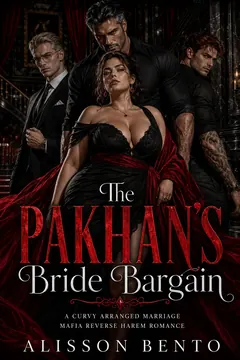
The Pakhan’s Bride Bargain
Choose this for a curvy working heroine, a marriage bargain tied to her mother's medical care, and a why-choose mafia framework. Amara's craft and blunt negotiations give the premise a particular focus: she is asked to save her family by entering the house that helped ruin it.
Who has selected the pair, and under what authority?
The authority behind the match gives the arrangement its first shape. A father may claim power over a daughter’s future; a council may treat marriage as a condition of peace; a legal process may pull surviving relatives toward obligations they have not yet seen. Look for who can insist, who can enforce, and who knows the terms. These are distinct questions from whether the future romantic lead initially appears courteous or intimidating.
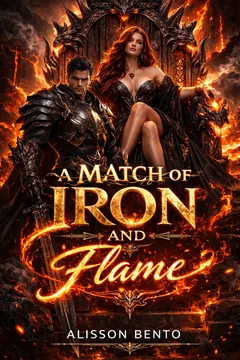
The Leonov Decree introduces a council ordering Katerina Volkov to marry rival Pakhan Dmitry Leonov after violence at the docks. A Match of Iron and Flame sends Lady Karys Thorne to a dragon king after her father agrees to marriage within a peace accord. Obsessive Need brings Ava Barnes into linked family wills after her grandfather’s funeral. These institutions do different work: criminal peace, a border and trade settlement, and inheritance involving an old corporate feud. Choose the source of authority you find most interesting to question.
Consent is a practical question as well as a spoken answer
An arrangement can be proposed with polite language while refusal has consequences the heroine cannot safely accept. For selection, examine what those consequences are and whether alternatives exist. A signature, an invitation, or a formal proposal tells you the shape of the transaction, not the extent of choice. Readers interested in negotiation may want to see what the heroine can make conditional before the relationship develops.
In The Pakhan’s Bride Bargain, Amara Costa is offered debt relief and urgent heart surgery for her mother through marriage to the head of the Sokolov house. She demands that treatment be secured first and that the agreement be read before witnesses. In The Subject of Him, Zoya arrives over her father’s gambling losses and is told to remain until the house’s principal makes a marriage proposal. Compare an attempt to secure specific terms with an institution controlling where the heroine may wait. The same broad trope contains different practical constraints.
Political marriage joins personal boundaries to collective needs
A political bride is asked to embody a solution that affects more people than herself. This can appeal if you enjoy relationships placed between competing loyalties: the heroine’s future, her family’s standing, and a wider peace all become difficult to separate. The important selection detail is which problem the marriage is expected to repair. Border instability, territorial violence, and financial collapse are different pressures even when the official language emphasizes agreement.
Karys reaches the volcanic palace of Cinderfast in A Match of Iron and Flame after six days on mountain roads. Failed trade and border disputes have weakened Thornmere. The dragon king receives her in human form and invites challenges to any failure to honor the written accord. Katerina’s legal negotiation in The Leonov Decree occurs inside a different system, with her father’s survival and remaining territory tied to the wedding. Compare a cross-species royal institution with rival criminal authority; each gives the heroine a different environment in which to examine terms.
Courtesy can complicate hostility without removing the imbalance
The future spouse’s first behavior influences the mood of an arranged-marriage opening. Courtesy may unsettle a heroine who expected open hostility. It can make the encounter more difficult to interpret because a respectful manner and a powerful institutional position can coexist. If this ambiguity interests you, look for the difference between how the person receives her and what brought her there. The second issue does not disappear because the first is reassuring.
A Match of Iron and Flame introduces the dragon king acknowledging Karys’s difficult journey and offering scrutiny of the written agreement. His manner complicates the hostility she brought to the palace. The human accommodations still place her inside another species’ structure of power. The Subject of Him presents another tension between courteous language and the leverage created by a father’s losses. Choose according to whether you want cultural unfamiliarity and formal hospitality or a carefully ordered house turning a supposed offer into the answer to financial pressure.
Inherited obligations can make the past part of the match
Not every arranged-marriage story begins with an openly announced wedding. A funeral, executor, linked will, or family claim can bring someone back into a world they had expected to leave behind. For readers who enjoy inherited conflict, ask what the heroine believes about the past and what information another person uses to secure her participation. The legal setting matters because documents and withheld facts can create pressure without an immediate physical confrontation.
Ava Barnes attends her estranged grandfather’s Chicago funeral in Obsessive Need with little money and no expectation of inheritance. Harlan Perry belongs to a family linked to hers through generations of corporate rivalry. Executor Ferris Cohen says the grandfathers’ wills are connected; they died within twenty-four hours, leaving Ava and Harlan as surviving relatives. When Ava refuses the reading, he threatens to expose suppressed details of her father’s death. The arranged-marriage framework sits around an opening driven by poverty, legal leverage, and unresolved history, which may suit an appetite for family secrets.
The heroine’s existing plans make the disruption specific
A match becomes more distinct when the heroine already has a future in progress. Studies, craft, or professional responsibility offer concrete measures of what the arrangement interrupts. A reader may care as much about preserving those plans as about the first romantic encounter. Compare the resources the heroine has earned with the demands she receives, rather than treating all reluctance as the same emotional response.
Zoya in The Subject of Him has an unfinished doctorate and a defense planned for spring. She uses clinical observation to classify the unfamiliar house and her own fear. Katerina in The Leonov Decree is pulled away from final law-school examinations and brings legal training to the agreement. Amara in The Pakhan’s Bride Bargain makes wedding gowns for others and insists that her professional identity remain visible in her own bargain. Scholarship, law, and dressmaking create different habits of attention. Choose the disrupted life you want to follow, and the type of expertise you enjoy seeing used under unfamiliar authority.
How much unfamiliar world do you want around the union?
The setting changes what the couple and the reader need to learn. A fantasy marriage may involve another species, an unusual palace, and political rules unfamiliar to the heroine. A contemporary inheritance premise uses recognizable institutions but can still make access to information difficult. A criminal match may involve councils, territory, and financial leverage outside ordinary public accountability. These differences affect the kind of questions that accompany attraction.
Karys’s arrival at Cinderfast offers the sensory and institutional distance of a volcanic royal residence built around dragon authority. Ava’s funeral and executor in Obsessive Need offer a contemporary route through legal and family history. Zoya’s manor in The Subject of Him gives financial pressure a controlled physical location. Choose according to how much discovery of the surrounding world you want alongside discovery of the prospective partner. A familiar setting can still contain opaque rules, while a fantastic one can give the heroine a written agreement to inspect.
Is marriage of convenience the same reading preference?
Marriage of convenience emphasizes a practical reason for marrying. Arranged marriage emphasizes how the pair is selected or required. The two can overlap, but they point toward different pleasures. A reader may want the logistics of a useful agreement, the difficulty of an externally chosen partner, or both. Identify whether your strongest interest is the function of the marriage or the authority behind it.
Amara’s proposed debt relief and medical funding give The Pakhan’s Bride Bargain clear practical stakes, while the pressure behind the offer remains central. Karys’s peace accord similarly has a public function that reaches beyond private affection. If you want mutual planning for an identifiable benefit, browse marriage of convenience and compare individual descriptions. If you want the experience of having a match chosen through family or institutional power, stay with this shelf. A practical purpose does not by itself establish freely chosen participation, so look at what the heroine can actually refuse or require.
Does the trope tell me the number of romantic leads?
The way a marriage is initiated does not determine the number of love interests in the romance. Why-choose titles and other relationship structures can appear on the same broad shelf. Readers for whom that choice is essential should use the relevant additional tag and check who the book introduces. A wedding-related title alone may not explain the full configuration.
The Pakhan’s Bride Bargain is an arranged-marriage example carrying the why-choose tag. Its opening places Amara’s offer within conflict over the Sokolov house and waterfront. That gives a concrete reason to inspect it when you want multiple romantic connections within this framework. Other descriptions name a prospective spouse and develop their initial pressure around that person. Do not infer group boundaries or specific intimacy from either format. Selecting relationship structure separately from marriage mechanism makes your shortlist clearer, especially if your preferred setting and your preferred number of love interests do not always appear together.
Can I choose one title without starting a series?
These novels are standalone, so you can begin with the arrangement that raises the most interesting question for you. Will you follow a political bride inspecting an accord, a law student challenging a decree, a researcher waiting inside a creditor’s institution, a dressmaker demanding medical guarantees, or a reluctant granddaughter confronted by linked wills? Each gives duty a different source and offers a different way to respond.
Before selecting, read the chosen title’s description for its specific relationship setup and seek book-level information for explicit content, sensitive subjects, or ending details. This guide compares starting conditions rather than promising the same resolution for every imposed match. A good final shortlist lets you explain what you want to examine: the institution arranging the union, the resources the heroine brings, the benefit being offered, or the history that makes refusal difficult. Those details turn a broad preference for arranged marriage into a choice between particular stories, with room for each romance to develop its own meaning.
-
 Bestseller
The Pakhan’s Property
3.8 Goodreads 4.07 (27) Buy on Amazon
See the book
-
 Bestseller
Captive of the Cosa Nostra
3.8 Goodreads 4.06 (16) Buy on Amazon
See the book
-
 Sold to the CEO
4.0 Goodreads 4.19 (16) Buy on Amazon
See the book
-
 Sold to the Yakuza
4.1 Goodreads 4.47 (17) Buy on Amazon
See the book
-
 Property of the Camorra
3.9 Goodreads 3.62 (26) Buy on Amazon
See the book
-
 The Pakhan’s Bride Bargain
Buy on Amazon
See the book
-
 The Don's Stolen Bride
4.2 Buy on Amazon
See the book
-
 The Pakhan's Muse
3.6 Goodreads 3.31 (26) Buy on Amazon
See the book
-
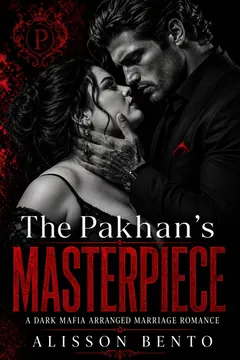 The Pakhan's Masterpiece
Buy on Amazon
See the book
-
 The Leonov Decree
Buy on Amazon
See the book
-
 Obsessive Need
4.2 Goodreads 4.36 (11) Buy on Amazon
See the book
-
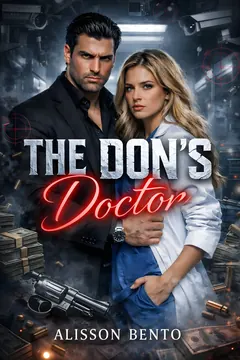 The Don’s Doctor
3.4 Goodreads 3.62 (24) Buy on Amazon
See the book
-
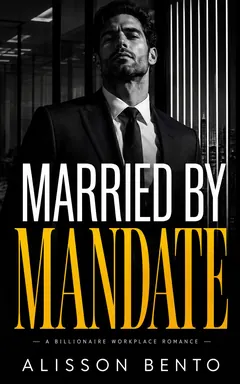 Married by Mandate
Buy on Amazon
See the book
-
 The Subject of Him
Buy on Amazon
See the book
-
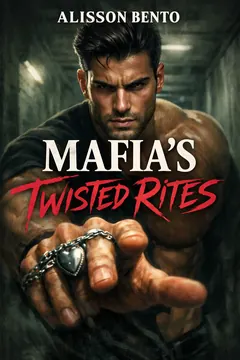 Mafia's Twisted Rites
Buy on Amazon
See the book
-
 A Match of Iron and Flame
Buy on Amazon
See the book
-
 Dirty Contracts
Buy on Amazon
See the book
-
 Cruel Kingpin
Buy on Amazon
See the book
-
 The Consigliere's Wife
Buy on Amazon
See the book
Browse by what you crave.
By genre
By trope
- Find romance books by trope
- Possessive Hero
- Captor & Captive
- Bodyguard & Protector
- Debt & Bargain
- Enemies to Lovers
- Marriage of Convenience
- Forbidden Love
- Forced Proximity
- Small Town
- Fake Dating
- Boss & Employee
- Slow Burn
- College & Academia
- Secret Baby
- Single Dad
- Revenge
- Curvy Heroine
- Second Chance
- Fated Mates
- Royals
- Grumpy & Sunshine
- Morally Grey
- Runaway Bride
- Age Gap
- He Falls First
- Holiday Romance
- Touch Her and Die