Choose this for palace politics, a fake-marriage royalty premise, and a princess whose public duties exceed her private authority. The reception opening suits readers who enjoy procedural tension, withheld information, and the small acts of allies trying to give a heroine room to respond.
22 books
Fake Dating Romance: Choosing the Right Premise
A fake relationship creates two conversations at once: the story the couple tells other people and the conversation they can have only in private. Choosing a book becomes easier when you identify who must believe the performance and why their belief matters. A room full of reporters demands something different from a palace announcement, a legal deadline, or a dangerous stranger’s attention. This collection includes standalone fake-dating and fake-marriage romances across several genres. Their openings do not all reveal the arrangement immediately, so compare the problem that brings the characters together as well as any stated terms. The strongest match for your taste may be a couple forced to improvise under scrutiny, professionals who disagree about evidence, or people negotiating around a business neither can afford to ignore. Public appearance supplies the trope’s distinctive tension; the surrounding stakes determine what that appearance costs.
Compare these starting points
Choose this for art provenance, a meticulous investigator heroine, and a Greek billionaire whose arrival follows a threatened evidence chain. Mara's photographs, custody receipts, and refusal to release the icon make this a fitting choice for readers who prefer professional boundaries and documentary intrigue within wealthy-family romance.
Choose this for a soccer captain, an experienced attorney heroine, and a fake-marriage premise tied to an immigration deadline. The opening emphasizes documents, institutional accountability, and Mateo's quiet cooperation, appealing to readers who enjoy professional problem-solving alongside attraction that challenges a heroine's assumptions.
Choose this for royal intrigue, a bodyguard romance, and a fake-marriage framework under political pressure. Aurelia's marked affidavit and refusal to accept the chancellor's interpretation suit readers who enjoy evidence-conscious heroines, compressed deadlines, and threats that operate through succession rules as well as personal intimidation.
Identify the audience before choosing the performance
An invented relationship only functions as an invention if somebody is meant to believe it. Ask whether that somebody is a family, a board, a fan base, a royal court, or people capable of physical retaliation. The audience determines what must look convincing. Public photographs may matter to a media narrative; a ceremonial introduction may carry institutional weight; a private explanation may need to survive questions from someone who knows the characters well.
That is why fake dating should not be treated as a single mood. A performance can begin as a quick answer to awkward questions or become a strategy under serious pressure. If you enjoy banter and mistakes, look for descriptions emphasizing improvised appearances or unfamiliar habits. If you enjoy suspense, consider who is monitoring the couple and what discovery might threaten. The collection’s tag does not establish that every arrangement is mutually designed, easy to end, or limited to a harmless social misunderstanding.
A hockey scandal makes the headline part of the bargain
Breakaway on Ice opens with Chloe Davis accused of passing her father’s hockey strategy to a rival captain. Footage places her near the opposing locker room, while she says she was visiting the medical wing. A league investigation gives the franchise a reason to contain the story. Team enforcer Jaxson Hayes stops her departure through the arena tunnels and offers a replacement headline: she has been secretly seeing him.
This example puts the performance directly into the opening. Reporters are already waiting, a rumor has started without Chloe’s agreement, and Jaxson does not trust her. Readers who want the fake relationship to force immediate negotiation may find this a strong starting point. The problem is not simply making affection believable; Chloe must establish her part in a story proposed by someone who doubts her explanation. The sports setting makes public attention an active pressure rather than a distant background concern.
A reputation strategist sees a crisis differently from her client
The Crisis Contract begins with a report linking Cole Vance’s trading credentials to fourteen million dollars in suspicious stock options. Naomi Bell understands that legal response and public response run on different clocks. Lawyers can address the accusation, but a hostile image may allow the board to remove him before any legal conclusion. She orders silence at her firm and studies photographs. Cole arrives resistant to a publicist and denies making the trades.
Compare this with Chloe and Jaxson’s arena confrontation. Both premises connect fake dating to damage control, yet Naomi enters as a communications professional tasked with assessing an audience. Chloe is the person whose own explanation has been overtaken by an accusation. If you prefer a heroine whose expertise shapes the strategy, Naomi’s ability to distinguish a camera’s apparent verdict from a legal one may be the useful difference. The opening establishes the reputational emergency; it does not yet spell out the later arrangement’s rules.
A legal deadline places the relationship beside paperwork
Scoring the Attorney introduces senior associate Delaney Quinn to soccer captain Mateo Reyes in an unscheduled meeting. His club has withdrawn the petition extending his permission to stay and play, creating a December deadline despite an eighteen-month contract. Delaney wants to examine the filing history and identify who is responsible. Her colleague Peter Ames would prefer to accept the withdrawal as a simple fact. Mateo continues training and asks what she needs from him, without the bluster she expected.
The fake-marriage premise therefore begins with professional skepticism encountering unusual restraint. Delaney’s family experience with official paperwork gives the notice personal resonance, while Mateo’s response complicates her initial assumptions about athletes. Choose this sort of opening if you want attraction approached through questions, documents, and competing interpretations of a problem. The precise legal emergency belongs to this fictional setup; the relationship tag is not an explanation of real immigration procedure or a guarantee that one wedding resolves every obstacle.
A palace ceremony can conceal how little the heroine knows
Conveniently Crowned gives Princess Sofia a clear contrast between competence and exclusion. She understands library restoration accounts and structural repairs, yet cannot learn why her father has chosen her reception dress. Attempts to speak privately with him fail. Her name is absent from the evening’s running order, and she is positioned for an announcement she has never been allowed to discuss. Duke Kastel Varr arrives prepared to congratulate her, while her friend Bex and bodyguard Rask see the difficulty she has getting an answer.
For readers attracted to royal fake marriage, the opening’s force comes from the public machinery moving faster than private knowledge. Sofia can manage practical responsibilities and still find her own participation withheld. This differs from the openly proposed replacement headline in Breakaway on Ice: the palace scene first builds uncertainty about what is being announced. It may suit readers who enjoy protocol, constrained access, and the effort to find room for a private decision inside a formal event.
Environmental evidence gives a cartel premise a different center
Claimed by El Jefe begins with Emma Johnson conducting a soil survey for an ejido water committee near Santa Isidro. Readings beyond her kit’s scale, a waxy surface, a foaming sample, and dead bees demand laboratory confirmation. She refuses to substitute guesses for that work. Yoli Fuentes supplies well logs and a corrected drain map because children’s wells sit downhill. An SUV watches Emma, another man watches the watchers, and a cleaner elsewhere has a surveillance file containing her photograph.
This cartel fake-marriage premise may interest readers who want a heroine’s knowledge to remain central as danger approaches. Emma’s concern is not restricted to personal reputation: accurate evidence matters to a community. Compare her insistence on testing with Delaney’s demand for a filing history. Both begin by asking what can actually be proved, but one works against a legal deadline and the other faces escalating physical exposure. That difference can help you choose between institutional tension and a more threatening atmosphere.
A restaurant owner brings a real business to the negotiation
Caribbean Kingpin introduces Renata Achong at Siren, her restaurant in a converted customs warehouse at Trinidad’s Chaguaramas marina. Her menu has earned a reputation, but debt, late fish, short produce deliveries, and a failing cooler complicate service. Renzo Cabrales arrives before opening and asks for exclusive use of the restaurant for a Saturday dinner. Renata challenges his terms: payment must account for displaced reservations and the customer loyalty she has built.
The fake-marriage cartel framework enters a story whose first bargain concerns work. Renata has customers and costs before the imposing stranger arrives. Readers who enjoy bargaining between people with different resources may appreciate that concrete foundation. Unlike Emma’s evidence gathering, Renata’s expertise concerns service, compensation, and business continuity. Neither woman begins as an empty place for a powerful man’s plans. Their priorities let the romantic premise carry an existing professional life into the negotiations it introduces.
Look for the boundary between acting and deciding
The interesting boundary in fake relationship romance is often who gets to decide what the performance means. A public gesture may appear affectionate to observers while remaining disputed between the participants. One person can think they are managing an image while the other is defending a job, a family relationship, or a private account of events. If you enjoy tension built through misreading, look for a premise where the characters have a clear reason to interpret the same action differently.
You can also choose by how visible the negotiations are. Chloe faces a rumor already in motion, so her participation needs attention immediately. Naomi begins by assessing an image problem, while Sofia confronts a ceremony whose purpose she cannot learn. Those are different kinds of limited information. Rather than expecting a particular set of bedroom rules or a fixed expiration date, ask whether the description makes the practical boundaries part of the attraction. Specific terms are useful when stated, but the trope does not supply them automatically.
Another useful distinction is whether the audience can be corrected. A news cycle may move quickly, but a formal announcement can embed a claim in an institution’s expectations. A community depending on test results needs accuracy that cannot be replaced by a more attractive story. If you like the contrast between truthful work and a fictional public role, Emma and Delaney offer different professional starting points. If you prefer to watch image-making itself become the contested task, Naomi and Chloe give you clearer reputational pressure. Choosing the audience is also choosing the kind of accountability you want the characters to face while their private relationship remains unsettled.
How does fake relationship differ from marriage of convenience?
Fake relationship centers on the gap between what an audience sees and what the participants understand. Marriage of convenience centers on a practical reason to marry. A real wedding can serve a public fiction, so the two labels may appear together. Conversely, an invented romance can answer a crisis without a wedding at all. The useful distinction is whether you most want to follow a performance or a practical union.
The Crisis Contract carries both frameworks, while Breakaway on Ice introduces a secret-relationship story intended to change a headline. Neither tag alone tells you when affection becomes sincere or how long the arrangement lasts. When comparing descriptions, ask what must continue working even if attraction complicates the plan. A strategy designed for reporters may need consistent public appearances; a professional problem may require answers that an affectionate photograph cannot provide. That gap gives the trope much of its appeal.
Which opening should I choose, and what remains worth checking?
Choose Breakaway on Ice for an immediate public rumor negotiated amid sports scrutiny; The Crisis Contract for a professional’s approach to corporate reputation; Scoring the Attorney for paperwork and a legal deadline; Conveniently Crowned for royal ceremony and excluded participation; Claimed by El Jefe for environmental evidence under surveillance; or Caribbean Kingpin for a chef defending the value of her business. These comparisons describe the starting conflicts, allowing you to choose the kind of pressure you want around the romantic performance.
If sexual detail, violence, specific relationship boundaries, or the ending determines your choice, consult the individual description and available content information. The fake-relationship label does not answer those questions. These are standalone books, so a preferred starting conflict can guide your next read without a series commitment. Consider both halves of the premise: the appearance other people are meant to accept, and the private life the heroine must keep negotiating while that appearance takes shape.
-
 One Bed in Nebraska
Buy on Amazon
See the book
-
 30 Days with the Sheikh
Buy on Amazon
See the book
-
 Scoring the Attorney
Buy on Amazon
See the book
-
 Owned for 30 Nights
4.1 Goodreads 4.25 (12) Buy on Amazon
See the book
-
 Shielding the Queen
Buy on Amazon
See the book
-
 Claimed by the Greek Billionaire
Buy on Amazon
See the book
-
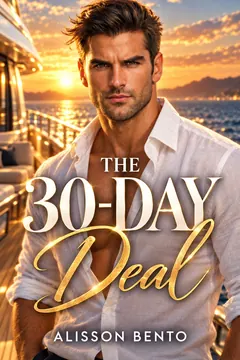 The 30-Day Deal
3.7 Buy on Amazon
See the book
-
 The Million Dollar Vow
Buy on Amazon
See the book
-
 The Sinner’s Playbook
4.5 Buy on Amazon
See the book
-
 Billionaire Boss's Fake Bride
Buy on Amazon
See the book
-
 Steamy Negotiations
Buy on Amazon
See the book
-
 My Christmas Pretender
4.5 Buy on Amazon
See the book
-
 The Contract of My Transformation
Buy on Amazon
See the book
-
 The Fake Wife Deception
Buy on Amazon
See the book
-
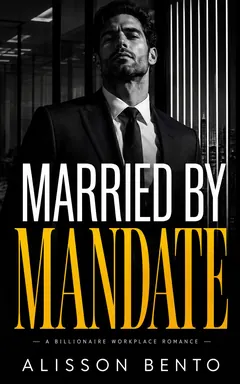 Married by Mandate
Buy on Amazon
See the book
-
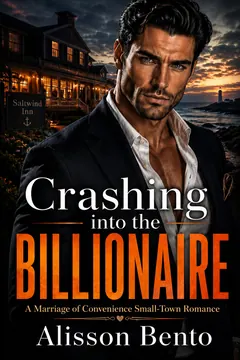 Crashing into the Billionaire
Buy on Amazon
See the book
-
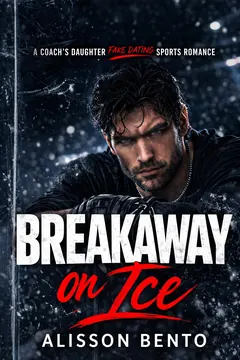 Breakaway on Ice
Goodreads 4.80 (10) Buy on Amazon
See the book
-
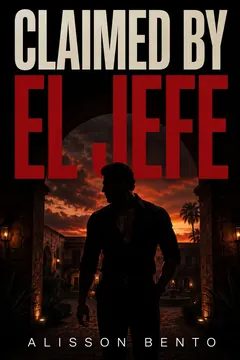 Claimed by El Jefe
Buy on Amazon
See the book
-
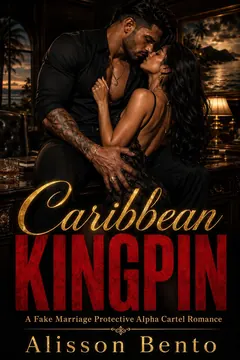 Caribbean Kingpin
Buy on Amazon
See the book
-
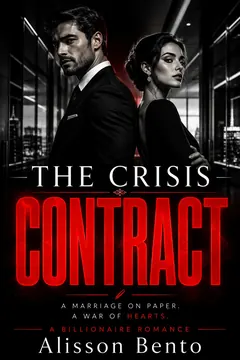 The Crisis Contract
Buy on Amazon
See the book
-
 Conveniently Crowned
Buy on Amazon
See the book
-
 The Capo of Crisper Drawers
Buy on Amazon
See the book
Browse by what you crave.
By genre
By trope
- Find romance books by trope
- Possessive Hero
- Captor & Captive
- Bodyguard & Protector
- Debt & Bargain
- Enemies to Lovers
- Marriage of Convenience
- Forbidden Love
- Forced Proximity
- Small Town
- Arranged & Forced Marriage
- Boss & Employee
- Slow Burn
- College & Academia
- Secret Baby
- Single Dad
- Revenge
- Curvy Heroine
- Second Chance
- Fated Mates
- Royals
- Grumpy & Sunshine
- Morally Grey
- Runaway Bride
- Age Gap
- He Falls First
- Holiday Romance
- Touch Her and Die