For readers who enjoy spaceborne mysteries, a highly capable signals specialist, and a romance premise involving mutual pining and confined proximity. The opening rewards attention to sound and technical discrepancies, with Wren's response to a distant voice grounding the science-fiction problem in an immediate human need.
28 books
Forced Proximity Romance: Choose Your Next Read
Forced proximity romance begins when distance becomes difficult to maintain. Two people might share a journey, work through an emergency, attend an event, or depend on the same route out of danger. What interests many readers is the change in attention: someone who could previously remain a passing annoyance becomes a person whose habits, competence, and vulnerabilities are hard to miss. The cause of that closeness matters. A breakdown on a working ranch creates different choices from a blocked exit in a magical ruin or a road trip with a boss. This collection brings together standalone stories with varied sources of pressure. Compare the practical reason the characters stay near one another, the freedom they retain, and the lives that continue around their attraction.
Compare these starting points
Choose this for a horse trainer heroine, a capable mechanic, and forced proximity rooted in a real transport problem. The opening suits readers who enjoy western working life, practical boundary-setting, and banter between people whose skills must cooperate before either can afford to relax.
For readers drawn to financial investigation, a competent heroine preserving evidence under pressure, and a forced-proximity why-choose premise. Clara's discovery turns ordinary payment descriptions into danger, while the threat to her sister makes the decision to keep the file more than a professional gamble.
For readers who enjoy workplace attraction, a wedding trip with family interference, and a heroine managing responsibilities beyond the romance. Delaney's eye for a consequential contract clause and her nephew's insurance appeal give the opening two concrete deadlines before she even leaves Chicago with Callum.
What makes proximity feel forced?
The essential feature is an obstacle to simply walking away from repeated contact. That obstacle can be physical, such as a dangerous route or an unreliable vehicle, or social, such as a wedding invitation with professional consequences. Characters may technically be able to leave while doing so would cost a job, disrupt an urgent task, or disappoint someone they care about. The trope becomes useful for selection when the description gives that cost a recognizable shape.
Think about which kind of constraint you enjoy. A shared assignment often creates opportunities to watch people work and disagree about methods. A journey gives them a moving destination and decisions about stops, timing, and resources. Immediate danger asks them to act before they have fully understood each other. None of those arrangements requires attraction to begin at the same speed. The interest comes from situations in which ordinary avoidance no longer solves an emotional problem, and the characters have to respond to the person who remains nearby.
Shared space is not the same as shared trust
Closeness changes access before it changes feelings. A person can hear another's conversation, see exhaustion at the end of a shift, or notice a practiced response to a setback without knowing what those details mean. That gap is part of the appeal. Repeated encounters offer information, but information still needs interpretation. Readers who enjoy gradual reassessment can look for a premise in which one character's initial judgment meets a visible skill or an unexpected act of consideration.
Trust also has a practical dimension. Would you accept this person's judgment about a vehicle, an injury, a route, or a document? Would you tell them why a deadline matters? A romance can make those small decisions emotionally charged because competence and vulnerability arrive together. When browsing, consider whether you want the initial problem solved through cooperation or whether you are drawn to resistance within the arrangement. A reliable colleague and an intimidating captor both create continued contact, yet the question of safety and choice is very different.
A transport crisis with a working heroine
Too Stubborn to Love opens with Hallie Brandt facing a failed diesel truck before a delivery of three trained sale horses. Late arrival threatens a penalty and a future commission. Other transport options have run out, and Orson Gentry, who took her family's original ranch, is offering help on terms that unsettle her. Hallie hires Clay, a mechanic and driver whose handwritten card has no surname, and sets rules before he touches the rig.
This premise ties proximity to livelihood and animal care. Hallie already knows her work; the problem is getting it done with resources she cannot entirely control. Clay's respect for her livestock judgment gives readers a concrete point of connection beyond his usefulness as a driver. Choose this kind of setup if you enjoy the friction between accepting help and protecting hard-earned independence. The delivery matters even before attraction enters the equation, so the practical task can make their interaction interesting in its own right.
A wedding trip brings work and family along
One Bed in Nebraska starts with Delaney examining a corporate term sheet and finding a representation that could let Garrison Group avoid a deal. Callum Garrison has invited his chief of staff to his brother's wedding week as a guest. At the same time, Delaney is preparing an insurance appeal for her nephew Theo's cochlear-implant surgery. The appeal deadline falls soon after a board vote, so the trip cannot neatly suspend either responsibility.
The change from employee to guest gives familiar contact a different setting. Readers who enjoy workplace romance can look here for the question of how to interpret attention when professional access already exists. Family expectations and financial worries also travel with the heroine. Compared with Hallie's transport emergency, this journey adds a social invitation to an established working relationship. Choose according to the kind of awkwardness you want: relying on a new helper to keep a business functioning, or entering a boss's family world while urgent work and private obligations remain unfinished.
Blocked exits turn cooperation into an immediate need
The Vampire's Forgotten Key begins when ruin-diver Zerya Pendelton casts a holding rune to save her partner Merritt during the collapse of the Glass Basilica. The spell costs her the sensory memory of rain's smell. It also draws vampire cartographer Cyprian Althoff into the ruin and leaves matching marks that transmit bodily sensations and glimpses of his past. Blocked exits and volcanic fractures make finding another route urgent.
This is a different form of forced proximity from a professional trip. The environment physically limits departure, while magic adds access to sensations the characters would ordinarily keep private. Readers attracted to exploration, costly spells, and unusual forms of connection may prefer that combination. Zerya's specialist work is central to the opening; she is already making consequential decisions before the new bond complicates them. Compare this fantasy with a contemporary premise by asking whether you want familiar logistics or unfamiliar rules to shape the moments when the characters need each other.
Workplace care creates repeated encounters
Sidelined Hearts introduces June Callahan as a new athletic trainer for the Kings. She has already noticed concealed injuries among other players when she approaches quarterback Knox Mercer, whose rebuilt shoulder is under public scrutiny. June recognizes a compensating ankle pattern before anyone explains his chart. Her supervisor has warned her about the team's most expensive patient, but ignoring discomfort would conflict with the attention that earned her the role.
Here, proximity comes through care work rather than an isolated location. A trainer and a player have reasons to interact repeatedly, while his reluctance to acknowledge her approach introduces friction. This may suit you if the attraction of the trope lies in seeing someone accurately despite the image they present. The body is a practical responsibility before it becomes part of romantic attention. Compared with a wedding road trip, the contact is organized around assessment and treatment, with professional expectations shaping who can ask questions and what those questions might reveal.
Dangerous knowledge can make closeness unequal
Contracted Captivity begins with forensic analyst Clara Blake noticing charitable payments that coincide with federal case outcomes. She preserves exports when workplace security feeds fail and her managing partner orders her to abandon the file. Invoking Clara's sister makes the pressure personal. Clara hides a drive, heads toward the garage, and encounters an intervention that cuts off her emergency call. This standalone why-choose suspense starts with evidence and the people trying to control access to it.
The captive tag alongside forced proximity is a reason to consider the power imbalance carefully. This opening offers a very different experience from two colleagues being unable to avoid each other at an event. Clara is trying to preserve information and reach help while others restrict her options. Readers who want danger, institutional pressure, and a constrained heroine may find that compelling. If you want inconvenience and cooperation to supply most of the tension, a work or travel premise may be a better initial direction.
Watch the routines that the setup can reveal
Part of the pleasure of proximity is the possibility of noticing someone beyond an impressive entrance. A working day exposes how a person handles boredom, preparation, mistakes, and other people's expertise. Shared logistics can make consideration tangible: listening to the person responsible for an animal, noticing a painful movement, or giving a difficult document proper attention. Those details can support attraction because they connect it to behavior rather than an abstract description of desirability.
For selection, look at what the characters will actually have to do together. A road journey offers different recurring tasks from an injury assessment or an escape through ruins. If you enjoy practical dialogue, choose a premise with a task you find interesting enough to follow. If you prefer emotionally awkward social situations, inspect the family event or professional role around the contact. This helps distinguish the atmosphere you want without assuming that every book will use the same domestic scenes, arguments, or moments of intimacy.
Keep independence in the comparison
Being near someone and agreeing to a relationship are separate decisions. A forced-proximity premise may make that distinction especially visible because the practical arrangement begins before the characters have chosen each other. Notice who defines the rules, who can renegotiate them, and what leaving would cost. Hallie's insistence on conditions for the truck work, for example, gives her response to assistance a concrete form. In a captivity setup, access to help and movement become more urgent concerns.
Your preferences can include both intense pressure and an interest in a heroine's choices. There is no need to treat those interests as contradictory. The useful question is what kind of difficulty you want to read about: embarrassment, financial risk, professional obligation, physical confinement, or a threat to someone else. Reading the opening information with those distinctions in mind can make the shelf easier to navigate. It also prevents a broad trope label from obscuring differences between an inconvenient arrangement and one imposed through coercion.
How does this differ from enemies to lovers or a bodyguard story?
Enemies to lovers describes an antagonistic relationship, while forced proximity describes a reason for repeated contact. The characters can dislike each other, misunderstand each other, or already have affection that the arrangement makes harder to ignore. If hostility is your preferred hook, look for it explicitly rather than treating close quarters as evidence that the people involved begin as enemies. A workplace disagreement can be meaningful without becoming a feud.
Bodyguard romance adds a protective responsibility and an external reason to monitor someone closely. That can create forced proximity, but the role changes the balance of authority and privacy. Boss-and-employee romance adds another kind of hierarchy, as Delaney's working relationship illustrates. Use the adjacent trope that answers your main question: why they stay close, why attraction is difficult, or who has power in the arrangement. Then compare the particular books, since the same tag can sit beside a journey, a professional duty, or a dangerous restriction.
Does forced proximity mean one bed, fast attraction, or a particular ending?
The label does not establish a shared bed, a timetable for intimacy, or a level of explicit detail. A title or description may name a particular setup, but proximity itself only tells you that continued contact matters. It also does not settle consent, relationship boundaries, or the eventual resolution. When those details determine whether a book suits you, consult information specific to the title rather than turning an environmental constraint into a promise about the romance.
All selections here are standalone, so you can choose the immediate situation that interests you without starting a series. A useful first shortlist pairs one practical preference with one emotional preference: skilled work and reassessment, family events and awkward attention, fantasy exploration and unexpected connection, or evidence and danger. Read the description for the cause of closeness and the heroine's current goal. That combination gives you a clearer basis for choosing than the trope alone, while leaving room for the individual story to surprise you.
-
 The Cowboy’s Frozen Heart
3.7 Goodreads 4.14 (21) Buy on Amazon
See the book
-
 Too Stubborn to Love
Buy on Amazon
See the book
-
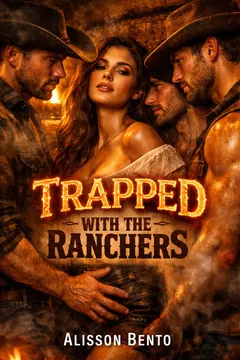 Trapped with the Ranchers
4.1 Goodreads 4.15 (40) Buy on Amazon
See the book
-
 One Bed in Nebraska
Buy on Amazon
See the book
-
 Cross My Fence
Buy on Amazon
See the book
-
 Owned for 30 Nights
4.1 Goodreads 4.25 (12) Buy on Amazon
See the book
-
 Contracted Captivity
Buy on Amazon
See the book
-
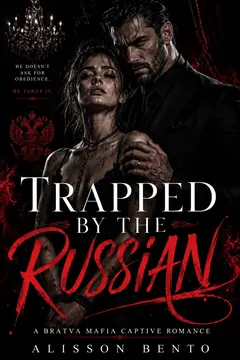 Trapped by the Russian
Buy on Amazon
See the book
-
 The Lawyer’s Cowboy
Buy on Amazon
See the book
-
 The Blueprint for Us
Buy on Amazon
See the book
-
 Her Brother's Best Secret
Buy on Amazon
See the book
-
 Midnight Extraction
3.4 Buy on Amazon
See the book
-
 Liquidated Desires
Buy on Amazon
See the book
-
 The Guardian's Bargain
Buy on Amazon
See the book
-
 Scars of Winter
Buy on Amazon
See the book
-
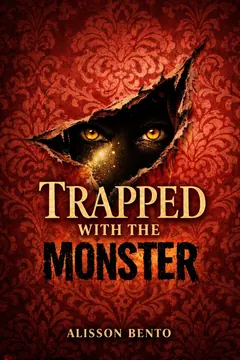 Trapped with the Monster
4.3 Goodreads 3.77 (13) Buy on Amazon
See the book
-
 Every Breath We Steal
Buy on Amazon
See the book
-
 Winning Drive
Buy on Amazon
See the book
-
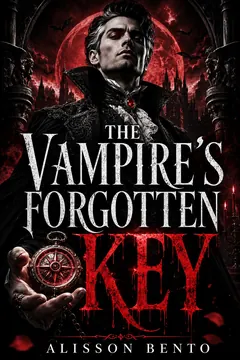 The Vampire's Forgotten Key
Buy on Amazon
See the book
-
 Batter, Bodies, and Boyfriends
Buy on Amazon
See the book
-
 Sidelined Hearts
Buy on Amazon
See the book
-
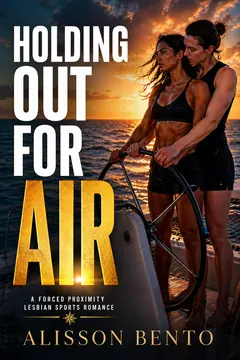 Holding Out for Air
Buy on Amazon
See the book
-
 Derailed by the Billionaires
Buy on Amazon
See the book
-
 The Blizzard Between Us
Buy on Amazon
See the book
-
 Her Silent Marriage
Buy on Amazon
See the book
-
 New
Sutured Secrets
Buy on Amazon
See the book
-
 Only One Bed in Aspen
Buy on Amazon
See the book
-
 Blood Czar
Buy on Amazon
See the book
Browse by what you crave.
By genre
By trope
- Find romance books by trope
- Possessive Hero
- Captor & Captive
- Bodyguard & Protector
- Debt & Bargain
- Enemies to Lovers
- Marriage of Convenience
- Forbidden Love
- Small Town
- Fake Dating
- Arranged & Forced Marriage
- Boss & Employee
- Slow Burn
- College & Academia
- Secret Baby
- Single Dad
- Revenge
- Curvy Heroine
- Second Chance
- Fated Mates
- Royals
- Grumpy & Sunshine
- Morally Grey
- Runaway Bride
- Age Gap
- He Falls First
- Holiday Romance
- Touch Her and Die