DNF means did not finish. You can DNF a romance when its voice, pacing, content, or current reading mood makes continuing unappealing. You do not need to reach a prescribed percentage or prove that the book is objectively bad. Make one useful note about the mismatch, then decide whether the title belongs in a possible-later pile or whether you are simply done.
That choice does not erase another reader’s pleasure. It helps you identify the kind of romance you want next, with more precision than forcing yourself through a story and remembering only the effort.
Identify why you want to stop reading this romance
Begin with the most concrete thing you can name. The narrator explains every feeling when you want more scene movement. The fictional danger dominates when you want the couple’s conversation. The teasing feels mean to you rather than flirtatious. These observations point toward different next choices.
You may have several reasons, but choose one that most affects your willingness to continue. A long list can become a case for the prosecution when all you need is a practical preference. If you cannot name the reason yet, not curious about the next scene is enough.
Voice mismatch
Perhaps you enjoy the setup but do not want to spend more time inside the narration. That might involve viewpoint, humor, repeated internal commentary, or sentence rhythm. Write the feature you would prefer, such as quieter narration, rather than concluding that the entire premise was wrong for you.
Pacing mismatch
Separate relationship pace from scene pace. You might enjoy a slow-building romance but dislike extended background explanation. Alternatively, the writing may move briskly while the couple’s delayed interaction does not suit your mood. Slow is less useful than a note naming what you wanted sooner.
Content mismatch
An unwanted theme, relationship dynamic, or type of fictional conflict can settle the decision immediately. You do not have to keep reading to see whether the story eventually handles it differently. Your preference can concern its presence, its treatment, or simply the fact that it is not what you want now.
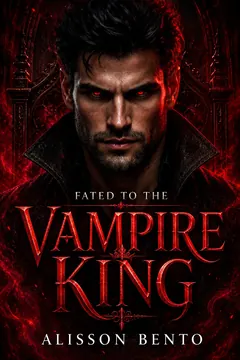
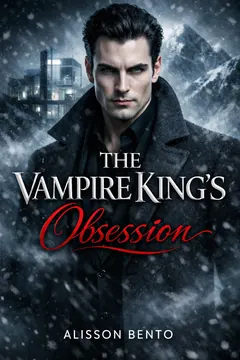
From Alisson Bento’s books
Vampire
A vampire romance about a captive bargain that turns into the only place she wants to be.
Kindle edition · Check Kindle Unlimited availability on Amazon.
Is this the wrong book, or the wrong reading mood?
You cannot always know, and you do not need certainty to stop. The helpful distinction is whether you can imagine a specific circumstance in which returning would appeal. Wanted less suspense tonight leaves a clearer route back than maybe I will like it someday.
Ask what still interests you. A setting, a character’s competence, or a relationship question may remain appealing even when the current reading experience does not. If nothing draws you back, there is no need to manufacture a reason to keep the title pending.
Consider this invented example: two adult rival journalists investigate a fictional scandal while their relationship develops. A reader enjoys their dialogue but wants a quieter story after a demanding week. Pausing for a future suspense mood makes sense. The same reader might permanently stop if the narrative repeatedly uses a theme they do not want to encounter.
These choices can look identical from outside: the book remains unfinished. Inside your tracker, however, they lead to different actions. One suggests choosing a calmer premise now; the other suggests checking a particular content detail before your next selection.
Do not treat changing your mind later as proof that your first response was invalid. Your earlier mood and your later curiosity can both be real. A reading preference describes an experience, not a lifetime contract.
How far should you read before deciding to DNF?
There is no universal page count or percentage that every romance reader owes every book. Length, structure, sample availability, and your reason for stopping differ. A numerical rule can be a personal convenience, but it cannot establish whether continuing is worthwhile for you.
If you are mildly uncertain, choose a small natural stopping point: the end of the current scene or the next chapter. Then ask whether your curiosity increased. This is optional; you do not need a trial period when you already know the relevant content or style is unwanted.
A checkpoint should answer a question. Will the present scene begin? Do I enjoy this narrator once the opening explanation ends? If there is no question you want answered, reading another arbitrary chunk may provide little useful information.
What if you are almost finished? You can stop then too. Being near the ending may make you curious enough to continue, but remaining pages do not create an obligation. Choose based on whether you want the experience still ahead.
Likewise, a friend saying it gets better is an invitation, not a requirement. Ask what changes if you want to assess the suggestion: more dialogue, less setup, a different viewpoint? A vague promise of improvement cannot tell you whether your actual mismatch will change.
Give pauses and permanent stops different labels
A pause means you may want to return. A permanent stop means you currently see no reason to continue. Neither label needs to be dramatic, and permanent can still be revised if your curiosity changes later.
For a pause, leave a small reminder of where you stopped and what might make you return. Keep it spoiler-light if you want to preserve the experience. Interested in the adult leads; revisit when I want a larger fantasy plot is more useful than an empty promise to finish.
For a stop, record the reason that matters for future selection. Prefer less public humiliation between romantic leads tells you what to check. An exhaustive summary of everything you disliked may take more effort than the decision itself.
Should you set a return deadline? Only if you enjoy having one. A possible-later title does not need a due date. If a growing paused pile begins to feel like a queue of obligations, remove entries that no longer interest you.
A reading log can represent your actual status without forcing a binary between completed success and unfinished failure. Sampled, paused, stopped, and finished all describe useful information about what you read.
Handle the feeling that you have already invested too much
Time spent reading can make stopping feel wasteful. Yet those hours do not tell you whether the next hour will be enjoyable. Ask what continuing offers now: curiosity, a particular scene you want to reach, or the satisfaction of following an arc that still interests you.
If the only answer is I have come this far, you have identified the pressure, not a reason the story suits you. You can acknowledge the investment and still choose a different evening. This is a leisure decision, not a test of perseverance.
A purchased book can add another layer. Reading every page does not change whether you wanted the experience, and putting it aside does not mean you must discard it. You can keep a title you might revisit while allowing a book you no longer want to remain unread.
Separate the reading choice from how you obtain the next title. If you are weighing subscription access against buying an ebook, the Kindle Unlimited versus buying guide covers that question. Access arrangements do not dictate which fictional relationship you must finish.
Respect a content boundary without building a universal verdict
You can say a theme is not for you without arguing that fiction should never explore it. Equally, you can criticize a particular fictional treatment when you have something specific to say. The useful distinction is between your observed response and claims about every reader or the whole genre.
For example, stopped because I do not enjoy coercive dynamics in romance is a clear personal boundary. It does not require a diagnosis of characters, an explanation of your private history, or a debate about readers who seek different fictional intensity.
What if a content note warned you in advance? You can still discover that the actual presentation does not work for you. Knowing a theme exists and enjoying its treatment are different experiences. You are allowed to update your preference after encountering the pages.
If the opening seems safe for your preferences, remember that it cannot confirm the whole book. Before another choice, look for specific author content information when a boundary matters. An absent warning or a broad genre label does not answer every detailed question.
You do not need to push through unwanted material in order to be open-minded. Exploration can also mean trying a new setting or narrative voice while keeping a firm limit where you want one.
Write a DNF note or review that matches what you actually read
A private note can be one sentence. Include your status, the main mismatch, and the next preference: stopped during the opening chapters; wanted less internal debate; try a sample with more immediate interaction. No star rating or explanation to others is required.
If you choose to discuss the book publicly
Be clear that you did not finish. Describe the part you encountered and the feature that affected your reading. Avoid presenting guesses about later developments, the ending, or unseen content as facts.
You can write that the dialogue in the portion you read did not feel playful to you. That is more precise than saying the couple never has chemistry when you have not seen their full arc. Specific criticism can be candid without becoming sweeping.
Should a DNF have a rating? That depends on the platform’s current rules and your own purpose. You can share a useful explanation without pretending to evaluate the whole experience. If you use a rating, make the reading extent clear.
Keep spoilers separate from the reason someone might find your note useful. A reader seeking a quieter voice does not need a plot revelation to understand that your response concerned narration. Your personal log can retain more detail than a public recommendation needs.
Change one thing when choosing the next romance
A DNF becomes useful when it sharpens the next request. After too much external danger, try a relationship-centered premise. After a voice mismatch, change the prose experience before abandoning the trope. After an unwanted content theme, verify that detail more directly.
Changing everything at once can make it hard to learn what helped. If you liked the rivalry but disliked the crowded suspense plot, keep adult rivals as the dynamic and look for a calmer setting. Your next choice is an experiment in preference, not a guarantee.
Use a short trope combination to narrow browsing, then let an available sample test the voice. The search can locate a promising premise; the sentences tell you whether you want to stay.
If several books in a row feel unappealing, you can pause fiction or choose something familiar without declaring a permanent reading slump. No selection method guarantees a cure, and you do not need to optimize every evening.
Browse the romance catalog with one clear change in mind. The unfinished book has already given you a useful clue; the next story can begin with a different kind of invitation.