
To find romance books by tropes, begin with one setting or subgenre, one relationship dynamic, and one essential preference. Use that short combination to narrow browsing, then check the book description, relevant content information, and exact language edition. A trope match gives you a candidate; it does not establish that the voice, intensity, or whole relationship will suit you.
Keep requirements distinct from bonuses. If you mainly want adult rivals who gradually learn respect, an optional shared-room setup should not hide every promising book that builds the same emotional pleasure another way.
Turn a reading mood into a short romance request
Start with the experience you want, even if you do not know its trope name. Wanting two competent adults to challenge each other gives you a better direction than searching for a romance you will love. You can translate that desire into terms after identifying what matters.
A useful first combination contains three parts: the fictional environment, the interaction between the romantic leads, and one practical or content requirement. Small-town romance plus second chance plus English edition is one example. Fantasy romance plus reluctant allies plus an independent relationship arc is another.
These are browsing suggestions, not measured search-demand claims or promises that a particular catalog contains every combination. Their value comes from describing a request you can investigate without opening dozens of unrelated premises.
What if you want everything about your last favorite book? Name the one feature you most want repeated. You might think you want another billionaire romance when what you actually enjoyed was a guarded adult learning to ask for support. That pleasure can appear in a different setting.
Begin with a small request and let the description add detail. You are seeking a promising new story, not a duplicate assembled from every label attached to the previous one.
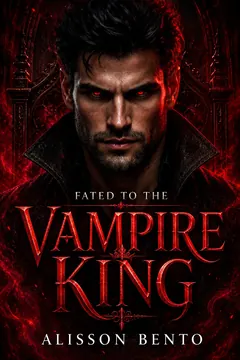
From Alisson Bento’s books
Vampire
A vampire romance about a captive bargain that turns into the only place she wants to be.
Kindle edition · Check Kindle Unlimited availability on Amazon.
Separate subgenre, setting, trope, and character preference
Search terms work better when you understand what each asks for. They can overlap in casual usage, so this is a practical distinction rather than a demand that every catalog classify books identically.
Subgenre or setting tells you the surrounding world
Contemporary, historical, fantasy, and paranormal describe broad kinds of fictional worlds or storytelling. Small town, workplace, and cowboy point toward settings or roles. They do not alone tell you how the romantic leads relate to each other.
A relationship trope describes an arrangement or movement
Fake dating concerns a pretend relationship; second chance concerns a renewed opportunity; rivals to lovers concerns opposition becoming attraction. These labels help you ask for a central dynamic, but the exact treatment still matters. Playful competition and a bitter conflict may share a broad tag while offering different evenings.
A character preference describes the person or their behavior
Competent, reserved, grumpy, or protective describes a trait or impression. A bodyguard is a role. A protective accountant and a fictional bodyguard might both appeal for practical attentiveness, but the role and the trait are not interchangeable search requests.
Do tropes guarantee tone? No. Forced proximity can support warm awkwardness, tense rivalry, or a darker fictional situation. Add the tone you want in ordinary words when the label leaves too much open. A description will often be more useful than accumulating extra tags.
Choose what is essential before applying more filters
Make two small groups: requirements and preferences you would enjoy. A reading-language edition may be essential. A specific content boundary may also be essential. A favorite setting or side trope may be negotiable when another feature delivers the pleasure you seek.
Try ranking the request rather than giving every item equal weight. Need a complete couple story; want adult second-chance tension; would enjoy a coastal setting makes it clear what to keep if results are limited. The coastline is a bonus, not a reason to discard every suitable reunion.
Should you compromise a content boundary to get more results? You do not need to. Loosen an optional setting, a secondary trope, or a preferred character occupation first. Broadening discovery should not require abandoning the condition that makes you comfortable choosing the story.
Also separate the requirement from the way a catalog represents it. If you need a particular language but no language filter appears, check editions on individual book pages. An absent filter does not necessarily mean an absent edition.
If you want a standalone, verify what the description means by that term. A complete central romance may still include cameos or shared-world spoilers. Use the romance series reading-order guide when continuity changes where you can begin.
Browse the catalog with one dynamic and one context
Open the site’s romance catalog and use its available genre, trope, and language options to narrow the selection. Begin with the term that most strongly describes what you want, then add context if the result is still too broad.
Open a promising book and read the actual description. Ask which conflict or arrangement gives the label its meaning. A fake relationship created for a public event and one maintained through a longer family situation may share a trope while creating different kinds of pressure.
If you are using a general search engine, pair your terms with romance books to make the intended medium clear. Try a compact phrase such as adult cowboy second-chance romance or workplace rivals-to-lovers romance English. These are invented search examples, not endorsements of any result.
Change one term at a time. That lets you see whether the setting, dynamic, or extra preference was narrowing the search too much. Rebuilding the entire request after every disappointing result can send you back to a broad, tiring search.
When a description looks promising, keep the exact title and edition link. A cover screenshot alone can be hard to recognize later, especially when multiple books share a visual style or appear in translated editions.
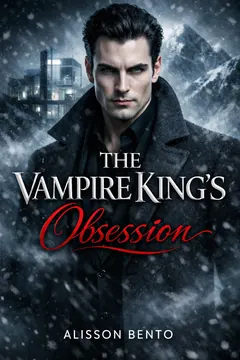
From Alisson Bento’s books
Vampire
A vampire romance about a hero who claims her and never lets anyone forget it.
Kindle edition · Check Kindle Unlimited availability on Amazon.
Why a trope search can miss a book you might enjoy
A description may express a dynamic without using your preferred label. Two adults disagreeing over a project might be called rivals, competitors, or reluctant collaborators. A reunion may be described through the past relationship instead of the exact phrase second chance.
If results are sparse, try one nearby phrase while preserving the emotional requirement. You can search for professional rivals after workplace enemies to lovers, then check whether the friction has the intensity you want. Similar wording expands discovery; it does not prove the concepts are identical.
A catalog may also have limited tags. A missing label can mean the dynamic is absent, or simply that the information is not represented in that filter. Read the description before assuming either answer. If the detail remains unclear, keep it marked as unknown.
What if every result matches the trope but still feels wrong? Your preference may concern treatment: less cruelty, more shared problem-solving, quieter prose, or a gentler external plot. Write that missing quality in a sentence and use it to evaluate descriptions and samples.
Do not keep adding terms simply to express frustration. Too many required labels can produce a tiny list without making any book on it a good match. A clearer priority is often more useful than a longer phrase.
Verify the qualities a tag cannot establish
A trope label is compressed information. It cannot show you every scene, content theme, or choice the characters make. Treat it as a reason to investigate rather than a guarantee of emotional compatibility.
For intensity or explicitness, seek specific information instead of relying on a broad subgenre or cover. Rating symbols can use different definitions across sources. The detail that matters is what the book actually contains and how that aligns with your preference.
For a content boundary, look at the author’s relevant notes and the current description. Community tags can be useful leads, but a missing tag does not establish absence. If a detail is essential and you cannot verify it, choosing another book is a reasonable option.
For voice and pacing, try an available sample. You may find the exact rivalry you wanted inside narration that does not suit your mood. You may also find an unexpected premise that works because its dialogue makes you curious. See what to look for in a romance sample for a focused style check.
Can a trope guarantee a particular ending? No. Check whether the central relationship resolves in this volume or continues across books. The dynamic of getting together does not, by itself, settle the structure of the ending.
A worked search: keep the pleasure, loosen the scenery
Imagine that you want an adult second-chance romance in a small town, with an independent couple story and witty exchanges. You would enjoy a coastal setting, but your real interest is watching two people acknowledge their past without losing their spark. This is an invented browsing scenario, not a description of an existing catalog title.
Begin with small town and second chance. Check the promising descriptions for a prior relationship and the stated reading requirements. Keep the independent relationship arc essential, while treating the coastline as optional.
If the selection is too narrow, broaden small town to contemporary before dropping second chance. You preserve the central emotional request while changing the surroundings. A city reunion may still offer the conversation and changed perspective you wanted.
Next, sample one candidate for humor. The word witty in a recommendation cannot tell you whether the jokes feel warm, abrasive, or too frequent for you. Listen to how adults answer each other and whether the teasing makes you want the next exchange.
If the sample works, confirm the edition and any unresolved content detail. If it does not, change the voice preference rather than concluding that every reunion romance will disappoint. Each step answers a separate question.
Make a short list and confirm the exact edition
Keep only a few promising candidates at a time. For each, write what appeals and what remains unknown. Second-chance premise fits; need to check series independence is enough to identify the next action. You do not need a full review before choosing.
Confirm your reading language, format, and the specific title before following its edition link. Translated titles and covers can differ. A matching author name or visual style alone does not establish that two pages refer to the same installment.
If you plan to read through a membership, inspect the current access information for that exact edition in the relevant store. Do not assume another language version has identical availability. The ebook access guide explains the broader choice between subscription reading and purchase.
When no candidate fits, loosen one bonus and try again later if needed. When one does, stop searching long enough to read. The purpose of naming tropes is to find a doorway into a relationship, then allow the actual story to surprise you.