
For romance by Black authors, start with the experience you want tonight: the comic energy of a personal project, the emotional weight of a former marriage, a historical heroine protecting her independence, a prince’s concealed identity, or attraction complicated by artificial intelligence. Talia Hibbert, Kennedy Ryan, Beverly Jenkins and Alyssa Cole offer five concrete starting points for those different interests. There is no need to treat them as one shelf with a single voice.
The quickest route is Get a Life, Chloe Brown for a contemporary project that brings two people together; Before I Let Go for former spouses who still share responsibilities; Wild Rain for historical romance around a woman’s established life; A Princess in Theory for royal concealment; and The A.I. Who Loved Me for a speculative relationship question. These are suggestions based on author and publisher descriptions, with our own comparisons of their premises. They are not full-book reviews or verified promises about endings.
Authorship opens the search; the individual book makes the choice
This selection uses the writers’ public self-identification. Hibbert describes herself as Black British in her own FAQ. Jenkins speaks of herself among Black women romance writers in a Journal of Popular Romance Studies interview. Cole describes herself as a Black woman in her interview with the same journal. Ryan includes herself among Black artists in an ELLE interview.
That establishes the basis for including them, not a verdict on what their books must sound like. Black authorship, Black protagonists and a particular fictional relationship are related discovery interests, but they answer different questions. An author’s identity does not determine every character’s identity, the amount of sex shown, the tone of dialogue or the shape of a disagreement. If you want a specific kind of couple, check that book separately.
The two Cole books are especially useful here. The same writer can build attraction around a royal secret or around a speculative question about humanity. Following an author can widen your reading rather than narrowing it to an imagined signature trope. Keep the writer’s name and the particular premise together when making your shortlist.
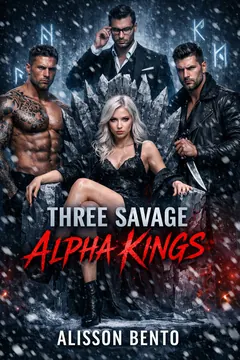
From Alisson Bento’s books
A shifter romance about one heroine, more than one devoted hero, and no choosing.
Kindle edition · Check Kindle Unlimited availability on Amazon.
Talia Hibbert: a shared project in Get a Life, Chloe Brown
Hibbert’s book description introduces chronically ill Chloe, a list of experiences she wants, and Red, the handyman and artist she recruits. The publisher’s description identifies the book as adult contemporary romantic comedy.
The distinctive attraction to investigate is a heroine who has already formulated a desire before the relationship supplies a partner. A list gives her a practical direction. For a reader, that creates a useful question: do you enjoy romantic encounters organized around doing things, with preferences becoming visible through plans? It is a different invitation from two people merely waiting to admit an attraction.
Red’s artistic work also gives you something more specific to consider than a motorcycle or a supposedly rough exterior. A public impression and a private creative life need not match. If that contrast appeals, look for how the sample presents observation: are you curious about what Chloe thinks she knows, and what another encounter might change? You do not have to decide in advance who has misjudged whom.
Keep the chronic illness in view without making it the entire reading contract. Wanting comedy alongside illness is different from wanting illness to vanish from the story. This premise can interest readers seeking desire and practical ambition in the same protagonist. It does not establish a cure, a universal account of disability or a book without painful material. Choose it for the particular combination that attracts you.
Kennedy Ryan: an existing bond in Before I Let Go
Ryan’s official synopsis presents divorced Yasmen and Josiah co-parenting and running a business while attraction returns. The question begins after a marriage, with a shared life still requiring decisions.
The publisher’s reading-group guide, which contains spoilers, explicitly identifies grief, depression and therapy. That makes the emotional question more specific than whether former partners still find each other attractive. Consider whether you want individual change to be interesting in its own right, alongside the possible relationship. Against Chloe’s outward list, this is a useful contrast between trying experiences and reconsidering an established understanding of a life. Neither need is a more deserving subject for romance; they simply invite different attention from you.
That changes what a second chance can mean for a reader. With strangers, curiosity often concerns what they will discover. With former spouses, you may want to watch familiar knowledge become unreliable: knowing someone’s habits is not the same as understanding what they want now. This is an interpretive reason to investigate the setup, not a report of particular conversations later in the novel.
Compare the premise directly with Chloe’s project. One invitation is adding experiences to an individual life; the other is reconsidering a relationship within commitments that already exist. If you want adults able to walk away from a date and stop thinking about each other, shared parenting may be the wrong starting condition. If you want practical ties to matter alongside longing, that same condition can be the reason to choose Ryan first.
The book’s official framing foregrounds a marriage that could not survive devastating experiences, so do not select it solely because second chance sounds comforting. Ask whether you want reconciliation to carry the weight of a consequential history. This guide does not provide a complete content inventory. If your main interest becomes the extent of rebuilding after harm, the site’s guide to recovery in romance helps distinguish that preference from wanting a reunion alone.
Beverly Jenkins: a life already built in Wild Rain
Jenkins’s official description of Wild Rain brings a reporter to Wyoming, where ranch owner Spring draws his interest. The author labels it historical romance set in the Reconstruction era, and the second Women Who Dare book.
The ranch matters as more than scenery. It gives this recommendation a different starting question from the royal and speculative books: why might someone with an established place and way of living want to make room for another person? A reader can enjoy independence without needing the protagonist to remain emotionally unchanged. The attraction lies in exploring what closeness might ask of a settled life.
Compare Spring’s position with Chloe’s. One premise announces a wish to add new experiences; the other announces a woman who is not seeking love. Both can interest readers who want a heroine’s own priorities to exist before a romantic invitation. They need not offer the same emotional pace. Sample for the difference between an outward plan and reluctance to change an existing arrangement.
Historical specificity also makes this a distinct alternative to a general costume fantasy. The author places the book after the Civil War; that setting should remain attached to the recommendation. Do not translate it into a vague promise of an idyllic frontier. Equally, do not assume a Black historical protagonist exists only to deliver suffering or a lesson. Start with the stated work and relationship, and investigate the material that affects your own reading boundaries.
Arqueiro’s Brazilian publisher listing, in Portuguese, also labels racism and abuse. Those are concrete subjects to check if they affect your choice; the tags do not specify their full on-page treatment.
The series number is useful orientation rather than an instruction invented here. If avoiding earlier-character spoilers matters, consult the author’s Women Who Dare series page before deciding where to begin. This guide does not claim that volume two requires no context.
Alyssa Cole: concealment in A Princess in Theory
Cole’s official synopsis pairs graduate student Naledi with Prince Thabiso, whose identity she initially misunderstands. The book belongs to Reluctant Royals. Its royal premise puts unequal knowledge close to the attraction.
Choose this lead if you want the pleasurable complication of somebody being seen outside the role that usually organizes their life. But ask yourself which part attracts you. Is it the fantasy of royalty entering an ordinary schedule? Is it the contrast between institutional expectations and personal curiosity? Or is it the tension of knowing information that another character does not yet possess? Those are different appetites within the same starting description.
Naledi’s studies and jobs are an especially useful counterweight when comparing this option with Wild Rain. Both premises let you ask what the heroine’s own work means before a visitor arrives. The difference is what the visitor brings: the historical reporter’s interest and the prince’s concealed status create different kinds of uncertainty. You can seek a working heroine without wanting every book to repeat the same relationship mechanism.
Set the prince beside Josiah to clarify another difference. Ryan’s former spouses start with shared knowledge and a history to reconsider; Cole’s pair start with a crucial misunderstanding about who one of them is. Do you want to watch old certainty become questionable, or anticipate the correction of a first impression? If concealed identity usually frustrates you, start with Ryan’s description instead. If the approach to a revelation is part of the pleasure, Naledi and Thabiso offer the more direct invitation.
Cole again: a different uncertainty in The A.I. Who Loved Me
The author’s page introduces Trinity and Li Wei, her artificial-intelligence neighbor, and places the book first in The Hive. The description combines romantic comedy with science fiction and danger.
This is the clearest move beyond realistic contemporary circumstances on the shortlist. The question to investigate is no longer simply what somebody has concealed about a social role. The premise invites curiosity about how you recognize another being’s feelings. If you like speculative fiction because it makes an everyday assumption newly interesting, that is a stronger reason to sample this book than the presence of technological vocabulary alone.
Set it beside A Princess in Theory to make your preference concrete. A royal title changes how a person is positioned in society. An artificial-intelligence premise asks you to consider the category of person itself. Both can support uncertainty, but the reader’s imaginative work differs. Choose the royal lead when social roles are the draw; choose the speculative lead when the underlying question is what makes emotional recognition possible.
The author also advertises a full-cast English audiobook. If performed voices interest you, compare a lawful audio preview with a written sample: does hearing the exchange make the speculative premise feel more immediate, or do you prefer time to reread and consider it? These are two useful ways to test your interest in Trinity and Li Wei. Check the exact recording, language and current borrowing terms for your chosen service.
Compare the five books through what you want to watch change
A useful comparison is the object of your curiosity. With Chloe, it may be a plan: what does another person make possible or complicate? With Yasmen and Josiah, it may be an existing bond: can familiarity coexist with a new understanding? With Spring, it may be a settled life: how could intimacy enter without making everything already valued disappear? With Naledi and Thabiso, it may be unequal information. With Trinity and Li Wei, it may be the meaning of emotional recognition.
These are reading questions drawn from the premises, not claims about the authors’ final answers. They help distinguish books that a broad search might place side by side. A reader who enjoyed the heroine’s practical purpose in Chloe’s description might next investigate Wild Rain, even though the periods differ. A reader who is primarily interested in changing how somebody is perceived might compare the two Cole books. Moving across subgenres can preserve an emotional interest.
There are tradeoffs. Choosing Before I Let Go for shared responsibilities means welcoming a relationship that has already acquired history. Choosing a royal secret means accepting the premise’s knowledge gap long enough to see what it does. Choosing science fiction means allowing the invented world to complicate a familiar attraction. Choosing history means taking the named period seriously. You need not want all these forms of complication in the same week.
If comedy is your deciding factor, refine that interest using the site’s romantic-comedy selection guide. The present shortlist uses authorship as the discovery doorway; the next useful distinction may be the kind of humor you personally enjoy.
Two workable reading routes and one useful refusal
For a route through contemporary life, investigate Chloe first if a forward-looking personal project appeals, then compare Ryan when you want to revisit a shared past. That sequence is a mood-based suggestion, not a connected series order. You can also reverse it: after wanting established responsibilities, you may prefer a protagonist explicitly adding experiences to her life.
For a route through different worlds, compare Wild Rain with one Cole title. Choose A Princess in Theory if your curiosity concerns social status and withheld information; choose The A.I. Who Loved Me if you want a speculative question to reshape the relationship premise. Putting history beside science fiction can reveal whether your favorite ingredient is independence, discovery or the world itself.
You can also refuse a route without rejecting the author’s entire work. A reader may want to discover Cole while being tired of princes, or want Jenkins while choosing to investigate the sequence before volume two. An author’s name is a useful continuation, not a demand to read everything in publication order. Keep the reason for your refusal precise enough to find an alternative later.
Choose a sample and identify the edition
Take two promising books and read lawful samples until you have encountered a meaningful interaction. Ask which person’s company you want to keep, what question makes you continue, and whether the narrative’s current balance of reflection and action suits today. Do not make a brief sample certify an ending or the absence of difficult content. Use it to choose between two genuine interests.
The original English titles are retained here. One verified Brazilian Portuguese edition is Wild Rain as Tempestade selvagem, published by Arqueiro. That does not establish translations of the other four books or editions in every country. Match author, original title, edition language and format when searching. For English as an additional language, the site’s English romance reading guide provides a separate sample test.
Choose one book for the specific question that interests you, then keep one alternate for a different mood. For broader browsing afterward, Alisson Bento’s catalog offers other romance premises; it is a separate catalog, not a directory of the authors above. Your useful next step is small: one inviting sample, one clear reason to continue, and the correct edition in hand.