For a first read, follow The Selection → The Elite → The One → The Heir → The Crown. The first three form America Singer’s sequence; the last two move to Eadlyn’s generation. Read the companion collection Happily Ever After after The One, or save it until after all five novels if you prefer uninterrupted momentum. We recommend that placement to protect the main discoveries while leaving you free to choose when a return to the palace sounds most appealing.
There are five main novels, four named companion novellas, and collections that repeat some of those works. Counting every cover as another installment makes this series look more complicated than it is. The key decision is whether you want America’s story, the next generation as well, or additional perspectives on people you already know. You can make that decision without investigating who wins each romantic contest.
The Five Main Novels, in the Order That Matters
- The Selection — the opening novel and the starting point for America.
- The Elite — the second part of her continuing story.
- The One — the third novel, completing the original trilogy’s sequence.
- The Heir — the fourth novel and the beginning of Eadlyn’s sequence.
- The Crown — the fifth novel, continuing Eadlyn’s story and identified by the publisher as the final main novel.
This is a sequence of connected narratives, not five interchangeable romances about unrelated couples. The generation change creates a useful division after the third book, but it does not make the fourth an equally neutral introduction. Its premise looks back at the earlier family story. If you are protecting the discoveries in America’s trilogy, even reading the later novels’ descriptions can give away information you would rather encounter in the books.
The author’s book bibliography establishes the five-book structure. A practical way to use it is to keep only the next main title in view. You need not open the description of The Crown while deciding whether to try The Selection. Knowing the sequence is enough; knowing every future relationship is unnecessary.
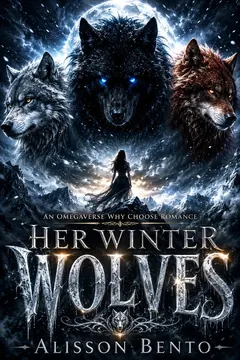
From Alisson Bento’s books
A shifter romance about one heroine, more than one devoted hero, and no choosing.
Kindle edition · Check Kindle Unlimited availability on Amazon.
What You Are Choosing When You Start with America
America enters a royal selection process involving thirty-five young women. The publisher’s description of the first book identifies her as seventeen and emphasizes a televised competition for Prince Maxon. The author’s synopsis also places Aspen in her life before the palace. Those ingredients make the entry decision more precise than a cover featuring a beautiful dress.
The appeal to consider is the collision between private attachment and public evaluation. A courtship competition asks who is desirable, but it also asks who is allowed to choose and whose judgment counts. If you like a romance premise in which attraction develops while everyone is watching, this structure supplies that pressure immediately. If your favorite reading experience is two adults building a private relationship away from institutions, the setup points in a different direction.
America’s position also gives the first novel an introductory function. Entering the palace means the reader can encounter its expectations alongside someone whose previous life matters. Starting with a later contestant’s perspective would change that balance: the palace would already be meaningful before America’s particular conflict had established why. That is the strongest reason to begin with the named first novel rather than the earliest event on a fan timeline.
Why The Elite and The One Should Stay Together
The Elite narrows the competition, while keeping America’s emotional uncertainty central. This is a continuation of the situation established in The Selection, rather than a second experiment with a new protagonist. The useful distinction is between discovering the rules of the contest and living with the consequences of having entered it. Reading only the first volume may tell you whether you enjoy the premise and voice; it should not be mistaken for reading the whole three-book arc.
The publisher’s page for The One explicitly positions it as book three and describes the contest approaching its decision. That supports keeping it after The Elite. Keep the ending for the book itself: if your curiosity is still with America and the contest, move straight to this volume rather than searching for summaries that reveal her choice.
For example, imagine that you have just finished The Elite and want more of Aspen. You could pursue a side perspective immediately, but doing so changes the rhythm from forward movement to looking sideways. If your main question is what America will do next, The One is the more direct next step. If your curiosity is specifically about how another person perceives the palace, a companion can be saved as a deliberate return after the trilogy.
That difference matters for readers who dislike interruptions. Optional material does not become a prerequisite merely because its events overlap a main novel. You can preserve the trilogy’s momentum without declaring the companions unimportant; they serve another kind of curiosity.
The Heir and The Crown: a Second Generation, Not a Reset
The later pair follows Eadlyn and a new Selection. The publisher’s description of The Crown situates this generation twenty years after the earlier love story. That is a meaningful shift in perspective: an institution first encountered from the position of a participant can now be approached through someone at its royal center.
You do not need a plot summary of Eadlyn’s choices to see why that might appeal. Compare the questions the two entry positions raise. A newcomer must consider what a place could offer and what it could cost. Someone born into the institution must consider what is expected of her and how personal desire fits a role already defined. Does that change of position intrigue you? If you want to see the royal competition from the inside, keep the later pair on your list after America’s trilogy.
If you loved the initial idea of a courtship contest and want to revisit it from a different position, continue from The One to The Heir. If your immediate interest is America’s three-book sequence, stop there for a pause and decide later. The pause belongs between generations, not between The Heir and The Crown, which form the later narrative pair.
Calling book four a fresh generation is helpful. Calling it free of earlier revelations would be misleading. Shared family history is part of its premise, so a reader who starts there accepts a different information order. The new protagonist does not erase the previous books.
The Four Companion Novellas: Match the Story to the Perspective
The Prince gives Maxon a viewpoint of his own; The Guard turns to Aspen; The Queen looks back to Amberly; The Favorite centers Marlee. The author’s series explanation identifies these four works and their focal characters. They are the main named novellas, not additional numbered novels continuing America through books six to nine.
Think of the choice as a question about perspective. If Maxon interests you because America can see only part of his position, his companion offers a different viewing angle. If Aspen interests you because his connection to America reaches outside the central competition, his story is a more specific choice than buying every extra indiscriminately. Marlee’s place in the collection makes friendship and other contestants a reason to return, rather than treating the romantic leads as the only people worth following.
The Queen has a different function because it is a prequel. In her announcement of Amberly’s story, Cass identifies it as an earlier Selection involving Maxon’s mother. Earlier in fictional time does not automatically mean better for a newcomer. Reading it after meeting the royal family lets the earlier courtship operate as a comparison; reading it first changes what you bring to that family’s introduction.
For a reread, you might enjoy reversing that relationship and considering Amberly before America. For a first read, the main trilogy gives a simpler doorway. Treat the companions as spoiler territory until you have finished the story whose discoveries you want to protect. A change of narrator can reveal what the original viewpoint did not know, which is precisely why extra perspectives can be rewarding later.
What Happily Ever After Contains
Happily Ever After collects The Prince, The Guard, The Queen, and The Favorite, alongside extra material. It is a companion collection, not a sixth main novel. Its existence explains why you can encounter four novella titles and a fifth cover without finding five wholly separate additions to the central sequence.
The author’s contents list also names Celeste scenes, a Lucy scene, a bonus epilogue, a “where are they now” feature, a map and illustrations. This mixture is why reading the volume after The One is a more sensible default than opening it before The Selection. A collection can contain an early-set story and later-looking extras in the same binding. The earliest piece does not set the spoiler level for the whole object.
If you already own one or two novellas, compare contents before acquiring the collection. The value you are considering is the material you lack and the convenience of having it together. A familiar title inside a new cover is still a familiar story. Conversely, the presence of repeated material does not make the entire collection redundant for someone interested in its other perspectives and extras.
Read it as a return visit if that is more enjoyable. After five novels, a side collection can change the pace without interrupting a main arc. After the original trilogy, it can keep you with that cast before the generation change. These are two different reading pleasures; neither requires pretending the volume sits at one exact point in chronological time.
The Selection Stories Is a Smaller, Overlapping Collection
The Selection Stories: The Prince and The Guard contains those two named novellas. The publisher’s edition description also lists a preview of The One and author material. It should not be counted as two new stories on top of the same Prince and Guard already included elsewhere.
There is an edition detail that can matter to returning readers: Cass’s explanation of the companion’s publication changes says the collected version of The Prince has two more chapters than its earlier ebook version. That is a specific distinction between versions, not permission to assume that every edition in every language contains identical bonuses.
Suppose you own the smaller collection and are considering Happily Ever After. You already have its two central novella titles, so the reason to add the larger volume would be the other two novellas and relevant extras. Suppose instead you own an early standalone ebook of The Prince. Compare the version as well as the title, because overlap and textual identity are different questions. You can avoid both an unnecessary duplicate purchase and the opposite mistake of assuming nothing changes between editions.
Boxes, Bundles and Translated Titles
A five-novel box and a novella collection answer different needs. One gathers the central sequence; the other gathers additional viewpoints. A product described as complete may be complete for the five main novels while omitting companions. Read the actual list of included titles before deciding whether a set matches the experience you want.
This guide uses the original English titles as stable identifiers. When reading in another language, match the author, series number and original title in the edition record. A translated title need not resemble a literal translation, and a reissue’s recent publication date does not move the underlying novel later in the story. The question is which work you are holding, then which version of that work.
For this series, three checks solve most confusion: does the item contain a main novel, does it contain one of the four novellas, or does it collect works already listed? A sample of a later novel inside an earlier collection is promotional material, not the full next installment. A map or epilogue is an extra, not a newly missing numbered book.
Our broader guide to romance series reading order explains the difference between publication order and fictional chronology. Here the practical consequence is concrete: keep the five novels in sequence, then choose when you want the companion perspectives.
YA, Dystopian Setting and Romantic Expectations
HarperCollins gives The Selection an age band from thirteen; its publishing context is young adult. This is useful audience information, not an individual content assessment for every thirteen-year-old. The protagonist’s age, royal matchmaking and social hierarchy help distinguish the project from an adult contemporary romance simply decorated with crowns.
The setting also affects the romantic choice. A relationship shaped by class and a public institution raises different questions from an isolated attraction. Consider whether you want the competition itself to occupy your reading attention, rather than treating it as packaging around a private love story. The guide to dystopian romance offers a broader way to compare the surrounding society and the relationship.
Neither the YA category nor the title Happily Ever After is a reliable heat rating or a guarantee about every character’s fate. Check a book-specific content description if sexual detail or another boundary matters to you, and avoid ending summaries if you still want to discover the couples for yourself.
Your next step can stay small: try The Selection, reserve The Elite as the next main novel, and leave the companion decision until you know which characters interest you. If you want a different kind of relationship or audience category afterward, browse Alisson Bento’s romance catalog by the individual descriptions. A shared interest in love stories does not make every book an equivalent substitute for this YA palace series.