What are you in the mood for: a guarded heart, a very public romantic disaster, or the pull of home? Try My Stubborn Heart if you love the question of how to reach someone without pushing them. Pick The Convenient Groom for a relationship expert whose own life refuses to follow the plan. Turn to Just Look Up for career ambition meeting the claims of home, or Wildflowers from Winter for belonging complicated by land, competing hopes and difficult religious memories. Each offers a different reason to turn the first page, with faith woven into adult questions about love.
The authors’ book descriptions offer four tempting places to begin, depending on the kind of relationship you want to spend time with. The original English titles make the books easier to find. Expect faith to matter to the characters’ choices; for these selections, Christian fiction means more than simply keeping bedroom scenes off the page. As you try an opening, notice whether its questions about trust, work or belonging feel like the conversation you want to spend an evening with.
Begin with an adult problem, then ask what faith changes
Contemporary romance can make ordinary obligations consequential. A career is more than an attractive job title when losing credibility could alter someone’s income, independence or standing among colleagues. A return home becomes more complicated when the visitor has reasons to resist being understood through an old family role. The useful question is not simply whether a couple shares religious language. It is what their beliefs allow them to reconsider, and what those beliefs make harder to admit.
Before you choose, think about the kind of couple you would like to root for. You may want a romance about offering care, about being seen without a professional mask, about choosing where to put attention, or about negotiating a place that means different things to different people. None requires treating ambition as selfish or marriage as a reward for correct belief. Those shortcuts would erase the adult tensions that make the choices interesting.
A reader can also want spiritual reassurance without wanting every disagreement settled by an immediate answer. Another may prefer questions about doubt and inherited belief. Those are differences of desired experience, not levels of seriousness. Keep them separate from pacing and physical intimacy: those preferences deserve their own checks against the actual edition. The site’s guide to combining romance tropes can help describe the relationship pattern; the following comparisons add the particular adult dilemma.
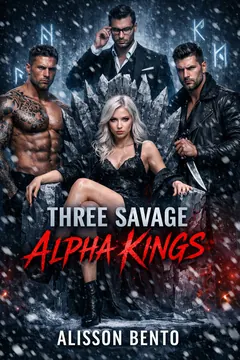
From Alisson Bento’s books
A shifter romance about one heroine, more than one devoted hero, and no choosing.
Kindle edition · Check Kindle Unlimited availability on Amazon.
My Stubborn Heart: care, initiative and the right to withdraw
Becky Wade’s official description of My Stubborn Heart introduces Kate, weary of work and dating, and Matt, a renovation worker withdrawing from people and God. If you are drawn to a guarded person and someone willing to reach out, put this one on your shortlist.
How do you get close to someone who needs space? That is the question to keep beside you when you try this opening. In a romance, persistence can feel generous because one person refuses to give up on another. Yet readers differ about the point at which persistence becomes pressure. As you read, notice whose position you understand first: the person reaching out, or the person who needs distance. You need not decide in advance which character is right to find that negotiation compelling.
Use this question while reading: does an offer create a choice, or quietly demand a response? The difference can be small. An invitation that can be declined gives a withdrawn character something different from a public insistence that they participate. Keep that difference in mind as you try the opening; the way a character makes an invitation can change how you feel about the whole encounter. It helps identify why two readers can react differently to the same determined romantic lead.
Faith introduces another layer to that distinction. If a character interprets their attraction as a calling to help, readers may want to see how they distinguish conviction from certainty about another person’s needs. A belief can sustain patience; it can also become something a character must examine. You might find yourself hoping for a patient conversation more than a grand gesture, especially when faith makes the desire to help feel urgent.
Try this one if you love a romance that makes you wonder when a helping hand is welcome and when someone needs breathing room. It may suit a mood for attentive encounters better than a mood for a large public predicament. If you want a more public predicament instead, turn to The Convenient Groom, where a relationship expert has her own painful situation to face. Both can involve vulnerability, but they ask you to notice different uses of power.
As you get to know them, ask yourself: what does this person want before the romance asks them to change? If your answer for one is only to rescue the other, keep reading the sample for a fuller motive. It is easier to care about a couple when you are curious about each person separately, including the hopes they had before anyone else arrived.
The Convenient Groom: expertise is not immunity from vulnerability
Denise Hunter’s book page for The Convenient Groom presents a relationship professional whose abandoned wedding threatens her image, followed by Lucas’s offer of marriage. Thomas Nelson’s publisher catalog explicitly connects Kate’s story with a first step of faith. There is something immediately appealing about an expert discovering that her own heart will not follow a neat plan.
Pick this one when you want an awkward arrangement to bring two people closer before they have sorted out their feelings. Advice depends on the idea that a person can understand patterns. Intimacy requires accepting that knowledge does not remove uncertainty. A counselor or public expert can be competent and still experience disappointment. The interesting reader question is whether you want a heroine whose identity makes that gap especially visible.
Consider the audience within this kind of premise. A private embarrassment changes character when clients, readers or professional partners may interpret it as evidence about someone’s abilities. That gives you two reasons to keep reading: can the arrangement save her career, and could the people inside it want one another even without the crisis? A practical solution can leave the heart with plenty still to figure out.
Listen for the gap between what someone says in public and what they can admit to themselves. That gap can be half the pleasure of this kind of romance. You may enjoy the tension if you like emotional irony: a person fluent in relationship advice facing feelings that do not cooperate with the available script. If a marriage arrangement itself makes you impatient, however, professional specificity may not overcome that preference. Choose the premise you actually want to spend time with.
If faith is part of what draws you to romance, keep an eye on how the characters balance honesty, responsibility and letting go. Letting go of control need not mean abandoning judgment; admitting vulnerability need not mean accepting every proposed solution. You can hope for honesty and still wonder whether the next brave choice will make everything messier before it makes anything easier. Readers looking for an exploration of trust can ask what information each person possesses when making a commitment.
Alongside My Stubborn Heart, this offers a different imbalance. Caring initiative raises the question of how much help another person wants; a public-image predicament raises the question of what a person feels able to refuse. A book club could compare those pressures without ranking one heroine as more faithful. The discussion becomes richer when it examines choices and costs rather than treating religious confidence as an automatic explanation.
Just Look Up: attention, ambition and who gets to define home
The Tyndale description of Just Look Up identifies Lane as an interior designer drawn home by family trouble and Ryan as someone invested in that town. The publisher also explicitly indexes the book as contemporary Christian romance. Try it when you want work, family and the possibility of love pulling at the same person.
Hunter’s heroine faces public scrutiny; Lane offers a different kind of pressure: coming home to people who think they already know you. A public expert worries about how others interpret an event; a professional returning home can be interpreted through an identity they have outgrown. Would that familiarity make you feel understood, or boxed into an old version of yourself? A childhood acquaintance may remember something valuable, yet memory alone cannot establish who an adult has become.
A story involving ambition and homecoming offers an especially useful discussion about attention. Time is finite, and an interruption can be urgent without making every longstanding obligation meaningless. Ask yourself which conflict you prefer: a character choosing between genuinely valuable things, or a character discovering that one apparent priority was never satisfying. Those experiences can feel very different even when marketing descriptions use the same language of reassessing what matters.
The official first-chapter sample begins in Lane’s professional world. Try it to see whether the opening gives you a reason to care about her work before you assess the claims of family and romance. You do not have to admire every choice a character makes to want their skills and effort treated as meaningful. Let her working life matter to you, too; it makes the pull of home more interesting than a simple choice between a job and a relationship.
For a faith-conscious reading, ask how a character understands vocation. Work, family, community and romantic partnership can all make claims on a person; the interesting part is their interpretation of those claims. You might want that interpretation to emerge through everyday conduct, or prefer explicit conversations about belief. The category label cannot tell you the precise balance, so the sample remains useful.
There is also a particular romantic question: can someone who knew an earlier version of you remain curious about the present one? That is different from simply asking whether old affection survives. The site’s homecoming and second-chance comparison explains why returning to a familiar place does not establish a former romantic relationship. Put Just Look Up on your shortlist if finding your way home as a changed adult sounds more tempting than a marriage arrangement.
Wildflowers from Winter: belonging is also a disagreement
Katie Ganshert’s official page for Wildflowers from Winter presents an architect, inherited land, Evan’s competing hopes and a difficult connection to the God of childhood. Reach for it when you want more than a sweet homecoming: here, the place itself comes with competing hopes.
A useful difference from Just Look Up is the nature of the competing claim. Attention can be divided and schedules renegotiated. Land introduces another kind of problem: different people may attach incompatible futures to the same place. Romantic attraction does not, by itself, tell them which future is fair. If you enjoy practical interests rubbing against emotional ones, that premise gives you a clear reason to investigate this book.
Think about how you like a romance to handle disagreement. Do you want one person’s original plan to turn out mistaken, or do you enjoy discovering what both plans protect? An attachment to place might express continuity, security, duty or a desired livelihood. A wish to leave might also have serious reasons. Give yourself permission to understand both wishes. Wanting to stay can be deeply moving, but wanting to leave need not make someone the person you refuse to root for.
The religious dimension is more specific than a generic promise of inspiration: the premise connects present resistance with earlier belief. A reader curious about the difference between faith and the memory of religious authority may find that question worth exploring. If those memories touch a sensitive spot for you, take your time with the sample. A story about faith can invite questions as well as offer comfort.
It may help to separate forgiveness from agreement while you read. Understanding a past experience does not automatically settle a present decision about property, relationships or trust. Conversely, disagreement need not mean a character has failed to grow. That is part of what makes an adult love story absorbing: people can care deeply and still need a workable account of whose wishes carry consequences.
Compared with My Stubborn Heart, this option directs attention away from whether help is welcome and toward what belonging might demand. Compared with The Convenient Groom, it shifts from a public account of a relationship to the meanings attached to a shared place. Select it when those questions sound absorbing rather than because every Christian romance is expected to produce the same emotional effect.
Three comparisons that make a shortlist useful
First compare care with autonomy. Imagine choosing between Wade and Hunter for a weekend. If you want to examine how someone reaches another person, try Wade’s opening. If you want to examine what a person can reveal after building an authoritative image, try Hunter. Choose the opening you feel most eager to return to after a few pages, not the one you think you ought to prefer.
Then compare home as recognition with home as negotiation. Walsh and Ganshert both offer productive starting points for thinking about adult identity, but a familiar place does not perform the same job in every premise. You might be drawn to the question of being seen accurately, or to the question of sharing a future when interests conflict. Name the question before using a broad small-town label.
Finally compare spiritual language with spiritual consequence. A reference to belief can be memorable, but the reading experience you want may depend on decisions: who apologizes, who listens, who changes a plan, who accepts uncertainty. Watch for the connection between those actions and the characters’ convictions. You may enjoy faith spoken aloud, or prefer to notice it in a patient answer and a changed plan. Let those small moments help you choose.
Choose one opening, not a whole shelf
For a concrete next step, pick two contrasting candidates and read their official samples where offered. After each, write one line about whose difficulty interests you and one about the kind of relationship progress you hope to see. Keep your response to the actual voice separate from your response to the premise. An appealing concept cannot compensate for prose you do not want to follow.
For group reading, decide whether the discussion will welcome differing religious experiences. Someone may read a question about trust as encouraging; another may focus on the cost of being asked to trust. The site’s romance book-club questions offer a way to keep that conversation anchored in decisions. Ask what alternatives a character could reasonably see, rather than inviting participants to defend their personal beliefs.
Before you settle in, check the language and format of your chosen edition. Use the original English title to find the book, then look at the actual copy or audiobook offer rather than assuming a translation or subscription is available. If particular themes or the level of intimacy affect your enjoyment, check those separately too. You deserve a reading choice that suits your mood, not just the right shelf label.
If you would like to continue browsing relationship dynamics, the Alisson Bento book catalog provides another discovery route. The catalog ranges beyond Christian fiction, so use it when you want to explore other romantic directions as well. For the immediate choice, return to the adult question that caught your attention: how to offer care, how to risk being known, how to distribute attention, or how to negotiate belonging. That is enough to choose a meaningful first sample.