Divine Rivals is the first novel in Rebecca Ross’s Letters of Enchantment duology. Begin with this book and continue with Ruthless Vows. Choose it when you want rival journalists, private letters, and a romance developing inside a fantasy world shaped by war. Plan for two books rather than treating the first as a complete, independent romantic story. The publisher identifies it as volume one, while its Ruthless Vows page identifies that second novel as the conclusion.
The useful distinction is between the intimacy of the premise and the scale of its surroundings. Enchanted correspondence suggests a private space for two people; the war threatens the people, employment, and family connections around that space. If you want an entirely restful story about letters, the conflict matters to your choice. If you usually avoid fantasy because you expect an opening lecture about kingdoms, the newspaper setting offers a more familiar doorway. This is a discovery guide based on the author’s explanations, publisher descriptions, and an authorized opening excerpt, rather than a claim to have evaluated every scene of the full novel.
What book are you looking for?
The identifying combination is Rebecca Ross, Iris Winnow, Roman Kitt, and Letters of Enchantment. Keep those names together when searching a library or comparing formats. A decorative cover can look quite different across territories, and a translated title need not resemble the English lettering. The author’s name and the original title are more dependable identifiers than a particular color or illustration.
The American publisher places the series in Young Adult. Ross’s own book-selection FAQ describes an alternative fantastical setting inspired by the First World War and a rivals-to-lovers relationship involving enchanted typewriters. That makes historical atmosphere useful as a comparison, but this is fantasy rather than a fictional reconstruction of the actual war. Do not approach its gods or countries as a lesson in real European history.
Young Adult also describes a publishing category, not a complete account of a reader’s boundaries. Adults can enjoy it, and the category alone does not tell you precisely how war, grief, alcohol dependence, or intimacy appear. Those questions deserve their own consideration. Equally, a romantic fantasy label should not silently turn this into a promise of adult erotic romance. Decide what interests you in the relationship before translating a broad genre label into an expectation about individual scenes.
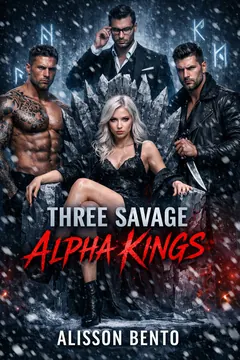
From Alisson Bento’s books
A shifter romance about one heroine, more than one devoted hero, and no choosing.
Kindle edition · Check Kindle Unlimited availability on Amazon.
Iris and Roman: why the rivalry matters
The authorized opening excerpt establishes Iris arriving late at the Oath Gazette and discovering that Roman has taken the remaining assignment. Their competition for a columnist position sits inside a working newspaper. The immediate stakes are recognizable: getting a chance to write, being taken seriously, and handling the person who seems to stand between you and advancement.
That opening makes professional rivalry more specific than a general declaration that two attractive people dislike each other. An assignment is a limited opportunity. One person obtaining it changes what is available to the other. Readers who enjoy workplace competition can therefore look for a practical foundation beneath the teasing. At the same time, this opening is only an opening; it does not establish the moral weight of every later disagreement or tell you how every conflict will be repaired.
Consider what you enjoy about a rivalry. Is it the verbal exchange, the possibility of mutual respect, the discomfort of needing someone you resent, or seeing two accounts of the same person diverge? Divine Rivals offers an especially clear reason to ask that question because public competition and private correspondence do different jobs. If only one of those appeals, sample the prose with that preference in mind instead of assuming the trope will be enough by itself.
Class and opportunity also deserve attention. The opening gives the rivals different backgrounds, so the contest is not merely an abstract game played by people with identical resources. A reader can follow the promotion as a question about recognition while also noticing what losing would mean to each person. That is a useful reading lens, not a promise that every economic question receives an exhaustive answer.
The letters are an emotional mechanism
The central correspondence begins with Iris writing to her missing brother; Roman receives the letters and answers without revealing his identity to her. This is disclosed by the publisher’s premise, rather than saved here as a surprise. A reader who wants all introductory information withheld should therefore stop at the reading order and choose a sample without reading promotional descriptions.
The appeal of this arrangement is the difference between a known workplace rival and a person encountered through words. A written reply can receive consideration that an exchange across a desk might never be granted. The reader is invited to think about attention: who listens, what is disclosed, and what changes when the same voice appears in a different setting. These are possibilities inherent in the setup, not invented summaries of later revelations.
Do not assume that letters make the entire novel epistolary. The available excerpt uses conventional narrated scenes and dialogue. If you want a book told predominantly through documents, investigate the actual presentation before choosing it for that reason. Our guide to letters and messages in romance separates correspondence as a storytelling format from correspondence as one important part of a relationship.
Here anonymity adds a second question to intimacy. Feeling understood and understanding who is answering are different experiences. Some readers love the gap between them; others become frustrated by concealed identity. Neither reaction requires knowing the ending. You can decide whether the premise itself creates the kind of tension you enjoy before asking anyone to explain exactly when a discovery occurs.
War changes the meaning of writing
Ross explained in a GBH interview that she connected the missing brother with trench-war imagery and wanted the journalists competing for the same position. She also discussed restricted information and Iris’s desire to report what is happening. That gives readers a firmer basis for expecting reporting to matter than the profession appearing as an attractive label on a cover.
Private and public writing raise different kinds of trust. A letter asks whether another person will receive a vulnerable thought. Reporting asks what people can know about a danger beyond their immediate sight. Bringing those forms together creates a useful tension between the intimate and the collective. You can be interested in both without needing a detailed military campaign narrative or a fully documentary account of journalism.
The war also changes the emotional meaning of distance. Waiting for a message in a safe setting can be frustrating; waiting while someone is missing carries another weight. That difference helps explain why a premise built around written communication belongs beside danger and family worry. If you are choosing for comfort after a difficult week, consider the surrounding circumstances as carefully as the romantic attraction.
The gentleness of a particular image cannot certify the whole reading experience. Typewriters, tea, and letters may be what initially draw your attention, while conflict and loss remain part of the stated premise. You need not reject the novel because those elements coexist. You simply have a clearer decision when you distinguish the tenderness you seek from the level of distress you are ready to read.
Read Divine Rivals before Ruthless Vows
The direct route follows the same central story across the two novels. Read Divine Rivals first, then Ruthless Vows. The sequel’s promotional description discusses circumstances after the first book, so opening its full synopsis before finishing volume one can reveal more than a reader seeking only the title intended. Save the detailed sequel description for later if preserving discoveries matters to you.
Knowing the route does not require a plot recap. A library request can simply ask for both Letters of Enchantment novels by Rebecca Ross in order. If the second book has a waiting list, you can decide whether to begin now or reserve both together. That is about your preferred reading rhythm; it does not require a claim that any particular library has copies available today.
Some readers enjoy pausing between installments and thinking about unresolved questions. Others want immediate access to the continuation. Plan around that difference before finishing the first book. The practical commitment is two main novels, rather than an indefinite assumption that every future book in the setting must be purchased to follow Iris and Roman’s story.
Our broader guide to fantasy romance standalones and series explains why a shared world and a continuing couple are separate commitments. In this case the publisher’s two-volume framing answers the central question. A more elaborate universe reading list should not obscure that straightforward entry route.
Where Wild Reverence belongs
Wild Reverence is a separate adult novel set in the world of the gods introduced in Divine Rivals. The publisher’s description distinguishes its adult audience, and Ross calls it a standalone in her FAQ. It should therefore not be presented as a third installment needed to finish the duology. Its central invitation is a different relationship, involving a goddess and a mortal lord.
For someone who came specifically for Iris and Roman, the clearest route remains the two novels already identified, followed by consideration of the standalone if the larger setting still interests you. That is a reader-focused recommendation, not a claim that Ross has imposed a mandatory order for every possible visitor to the world. A standalone can be an alternative doorway as well as an additional visit.
This distinction also helps when gifts or collections are involved. Three books connected by a setting are not necessarily a trilogy. A box, promotional grouping, or retailer recommendation may collect related titles without making their narrative roles identical. Describe the recipient’s desired experience first: the journalist couple’s two-book story, or a separate adult fantasy romance with a divine protagonist.
Choose an edition by its contents
Start with language, title, author, format, and the volume number. Compare ISBNs only after you know which format you want: hardcover, paperback, ebook, and audiobook can legitimately carry different identifiers. A page count can change with typography and translation. It is therefore a poor way to decide whether two listings contain the same first novel.
Published translations use recognizable but different names. Spanish publisher Urano lists Rivales divinos; Fazi lists the Italian Divini rivali. The French national library connects Divine Rivals with Divines rivalités and Ruthless Vows with Impitoyables serments in its series records. The Brazilian Google Play series catalog lists Divinos rivais followed by Promessas cruéis. These names help identify stories, without establishing present stock or access in your territory.
Special finishes are a separate choice. Painted edges and foil can make an object appealing without changing which main narrative it contains. If bonus material is important to you, check the exact edition’s description rather than assuming every attractive cover includes it. For an ebook, a sample can tell you more about readable text and navigation than a photograph of the print edition.
Audiobook choice adds performance to the decision. Check the language and edition information on the service you actually use, then listen to its sample if one is offered. A preferred narrator, a legible digital page, and a comfortable physical book are different routes into the same story. None needs to win universally; choose the form that lets you stay with the correspondence and the surrounding scenes.
Two details to notice in the sample
The opening places Iris’s remaining work with obituaries beside the assignment Roman obtains about missing soldiers. This connects the newspaper’s ordinary allocation of tasks with the wider human cost around it. It gives you a more precise question than whether the setting is interesting: do you enjoy a story where professional opportunity and the handling of other people’s grief meet on the same page? That connection may matter as much to your reading choice as the romantic exchange itself.
Another detail is how the fantastic enters the building. Iris notices images of divinities on the ceiling while hurrying toward work. The scene allows myth and an everyday inconvenience to occupy the same space. If this is your first romantic fantasy, notice whether that method gives you enough orientation to remain curious. You can follow her immediate aim while leaving the larger religious history incomplete. A sample does not need to explain the whole world to show you how the prose introduces it.
These details also keep the first impression specific. You are not simply choosing a book because it has letters, gods, or rivals. You are choosing whether the arrangement of those elements through Iris’s working morning creates the kind of attention you want to sustain.
A useful way to try the opening
Read the available opening with three interests in mind: Iris’s immediate problem at work, the rhythm of the exchange with Roman, and how the setting enters an ordinary morning. You are judging whether that particular combination makes you curious. You do not need to memorize every name, predict the magical rules, or decide whether you like all romantic fantasy before continuing.
If the workplace scenes interest you most, note that preference. If you want the letters, consider whether anonymity adds pleasure or unease. If the wartime setting is the strongest draw, keep the fantasy framework in view. Naming the part that attracts you makes it easier to choose a next read afterward without expecting every book recommended beside Divine Rivals to reproduce the same experience.
For this novel, begin with the right first volume and leave room for its sequel. For a different romantic mood, explore the book catalog by the relationship or setting you want next; Alisson Bento’s books are standalone stories and do not share this duology’s reading requirement. A clear distinction between those routes keeps a discovery guide useful whether you stay in Ross’s world or choose a new one.