
Better Than the Movies by Lynn Painter is a young adult romantic comedy about Liz Buxbaum, her returning crush Michael and her irritating neighbour Wes. Start here before Nothing Like the Movies, the connected sequel. Choose the first book if you are interested in a teenager whose ideas about romance shape what she notices and expects. Its movie-loving premise is also connected to grief, so the comic packaging should not be read as a promise of an emotionally weightless story.
This is a guide to the book’s published premise, its officially available opening and its connected editions. It does not claim a full-book review, assign a heat rating or reveal the final relationship resolution. The central reader decision is more specific than whether you like an attractive illustrated cover: do you want to spend time inside Liz’s interpretation of her own romantic life, including the gap between her preferred story and the people actually around her?
Identify the Book Before Following the Hype
The identifying combination is Better Than the Movies, Lynn Painter, and Liz Buxbaum. Simon & Schuster publishes the original through its Books for Young Readers imprint and classifies it as teen romantic comedy. That category helps distinguish it from adult workplace romance or an unrelated title with similar words. Painter’s official biography also explains that she writes for different age groups, so an author’s name alone does not establish the audience category of every book she publishes.
The English title stays in this guide as an identification key. A translated edition can use a different title, cover or subtitle. Confirm the original-work statement in the publisher record or the book itself rather than choosing a literal translation that merely sounds plausible. If you are buying for someone who asked for this particular novel, the author and original title are more useful than a remembered cover colour.
The first-book premise is straightforward. Liz wants Michael’s attention and sees Wes, the boy next door, as a possible way to reach him. The story’s invitation lies in the uncomfortable alliance and in Liz’s reconsideration of what she thinks love should look like. You can investigate that setup without reading the sequel’s description. The official first-book page includes both the premise and an opening excerpt.
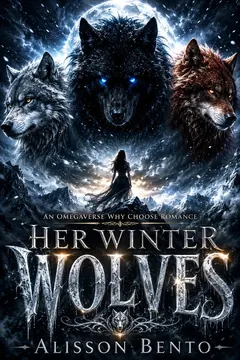
From Alisson Bento’s books
A shifter romance about one heroine, more than one devoted hero, and no choosing.
Kindle edition · Check Kindle Unlimited availability on Amazon.
A Crush and an Alliance Are Different Reading Pleasures
Michael and Wes occupy different positions in Liz’s starting imagination. A long-standing crush can gather expectations before the person has had much opportunity to contradict them. An annoying neighbour offers a different problem: accumulated familiarity may make it harder to notice anything outside an established impression. These are useful questions raised by the premise, not conclusions about the entire novel’s eventual argument.
That distinction gives you a practical way to decide whether the setup attracts you. Perhaps you enjoy seeing a protagonist negotiate with someone she already finds exasperating. Perhaps you are more interested in how an idealized possibility competes with ordinary contact. Those interests can overlap, but naming the stronger one helps you approach the sample. You are choosing the kind of attention you want to follow, not simply ticking an enemies-to-lovers box.
The neighbour conflict also has a recognizable scale. In the publisher’s opening, Liz and Wes compete over a parking space, and their disagreement appears through jokes and retaliation. That is a different invitation from rival political factions or serious criminal danger. If the word enemies makes you expect high-stakes hostility, read the actual opening before assuming the label tells you what kind of friction the book supplies.
The Opening Voice Is Part of the Decision
Liz narrates the published first-book excerpt in the first person. Her judgments move quickly, and irritation can coexist with noticing Wes’s appearance. That proximity to her reactions is important: you are not being asked only to watch a comic situation from outside. You are being invited to hear a particular person turn it into a story about herself. A reader’s response to that voice may matter more than liking the premise in the abstract.
Try the sample for curiosity rather than agreement. You do not need to endorse every assumption a teenage narrator makes to enjoy following her. Ask whether the difference between what she observes and what she concludes interests you. If you mainly want calm, already settled adult judgment, this may be a different reading appetite. If you enjoy a viewpoint with room to reconsider, the same quality can be a strong attraction.
Pay attention to the transitions between exchanges and interior commentary. Do you want to remain with Liz when nobody is delivering a punchline? Does her private interpretation give the ordinary school setting an appealing texture? The answer cannot be settled by a marketing category. Reading the opening is more informative than collecting ten descriptions that repeat the same trope. You are testing company for a whole novel, not auditioning one joke.
Movies Are More Than a List of References
The opening associates Liz’s daily experience with film music, clothing and romantic expectations. That creates a concrete selection question: do you enjoy a protagonist who interprets life through stories she loves? The pleasure might come from recognizing a reference, but it can also come from watching an ordinary situation receive an outsized emotional frame. You need not know every film to notice that framing.
Her attachment to romantic comedies is also connected, in the official excerpt, to her late mother and the films they shared. That makes the interest more personal than a decorative list of favourites. For a reader, the useful distinction is between enjoying movie references and wanting a story in which familiar entertainment carries memory. The second may be the more important reason to try the book, particularly if stories that mean different things to different people interest you.
Do not turn those observations into a promise about how grief will be resolved. An opening establishes an emotional situation; it does not disclose every development. It does, however, give enough information to reject a misleading shortcut: a playful title does not mean that loss is absent. If bereavement is a difficult subject for you at the moment, take that known element into account rather than relying on the word comedy for reassurance.
Teen Milestones Give the Premise Its Scale
Prom and school life belong to the book’s advertised situation. These are meaningful events within Liz’s world, even if an adult reader would assign different stakes to them now. Enjoying young adult fiction often involves accepting that the people inside the story experience their present without access to the distance a later life might provide. You can recognize that difference without dismissing the feelings or pretending to be the same age.
For some readers, that scale is the attraction. A conversation, an invitation or a misunderstood interaction can feel momentous because the immediate social world is tightly connected. Other readers want a relationship shaped mainly by work, shared housing costs or established adult responsibilities. Neither preference is a judgment of quality. It is a reason to choose the book whose concerns you actually want to accompany tonight.
Age category should also remain separate from a content guarantee. Teen fiction is not automatically free of swearing, bereavement or other concerns a particular reader may want to check. If you are selecting a gift for a younger person, consider the exact concerns that matter to that person rather than translating a publisher category into universal suitability. This guide identifies the audience positioning; it does not replace an individual content decision.
Banter, Irritation and Your Own Tolerance
The opening conflict gives you something more concrete to assess than a promise of chemistry. Ask how you respond when two familiar people needle one another. Does the shared history make the exchange amusing, or do you mainly want the practical inconvenience to stop? A reader who enjoys the voice but dislikes the interaction may need a different romantic dynamic. It is useful to notice that distinction before committing.
There are at least two possible reasons to enjoy an irritating fictional neighbour. You might enjoy the quickness of the exchange itself. Or you might be curious about whether a fixed impression can change when cooperation becomes useful. The first is a preference for verbal rhythm; the second is a preference for developing interpretation. The same opening can supply both invitations without guaranteeing how either will feel across the whole book.
For broader comparison, the site’s romantic comedy guide distinguishes situational chaos, social performance and conversational friction. Better Than the Movies offers a particular teenage viewpoint within that wider field. Use the broad guide to name your preferred humour, then use Painter’s sample to test whether this narrator and this immediate conflict deliver the kind of company you want.
Continue with Nothing Like the Movies
The connected novel to read after Better Than the Movies is Nothing Like the Movies. Simon & Schuster expressly identifies it as a sequel involving Liz and Wes. It is therefore a continuation of this relationship’s story, not an unrelated couple using a matching title. Knowing that connection is enough to identify your next book without reading the sequel’s full description before finishing the first.
The publisher places the sequel in a college setting and presents it as a second-chance story. That is a useful difference for a reader who has already completed the first book and wants to choose what comes next. It is also why the two premises should not be treated as interchangeable. A later phase of the same people’s lives can ask for a different emotional commitment from the original school-centred setup. The official sequel page supplies that identification.
If you strongly prefer to make only one book decision at a time, begin with the first. The existence of a continuation does not oblige you to buy both before discovering whether Liz’s voice appeals. Equally, do not infer an exact stopping satisfaction or ending from this guide. Choose whether you require further resolution information, and request that answer deliberately rather than encountering it accidentally through the second book’s sales description.
Bonus Stories and Collector’s Editions Are Separate Choices
Simon Teen identifies Better Than the Prom as a bonus short story connected to the first novel. This guide places it after the first book, because its described event is not an introductory substitute. The official bonus-story page is the appropriate source for its current access conditions. Those conditions can change, so a link to an official extra should not be read as a permanent promise of free access everywhere.
A bonus viewpoint can appeal because you already care about the event or person. That is a different purpose from moving to the next full novel. If you finish Better Than the Movies wanting more perspective on that part of the story, explore the bonus. If you want the next substantial stage, identify the sequel. You do not need to arrange every small extra into a mandatory sequence before enjoying either novel.
The publisher’s series page also lists a collector’s edition of Better Than the Movies. A new physical presentation and advertised bonus content do not turn that edition into a different second novel. Before purchasing again, compare what is included with what you already own. Separate two legitimate wishes: reading the original story for the first time and owning a particular presentation of a familiar book.
A Useful Shared Read Without Giving Away the Plot
For a discussion, begin with Liz’s expectations rather than asking everyone to rank the two boys immediately. Which observations seem grounded in direct contact? Which are attached to remembered or imagined possibilities? Those questions come from the premise and opening and leave space for different responses. A reader can be interested in the tension without having to settle the final relationship before the book has developed it.
Another useful topic is the role of familiar films. Does a reference help you understand what Liz hopes for, preserve a memory, or colour the mood of an ordinary moment? Distinguish what a reference does from whether you recognize it. That allows readers with different film backgrounds to participate. A discussion becomes narrower if only those who know a soundtrack are permitted to describe the effect of the scene.
Keep the sequel and bonus-story descriptions outside a first-book discussion until everyone agrees to include them. Even official marketing can reveal a later situation. When people use different editions, locate a passage by chapter and a brief scene cue rather than assuming page numbers match. The goal is to make it easy to discuss the same moment, not to resolve every edition’s pagination before talking about the story.
Choose the Next Step According to Your Interest
Try Better Than the Movies if its combination of a movie-loving teenage voice, familiar-neighbour friction, a hoped-for prom romance and remembered family loss sounds appealing. Sample it first if irritation or highly romantic interpretation can tire you. Save the sequel’s detailed description until you have finished the first book. Then decide whether you want an optional short perspective, the next full novel, or a different romantic comedy entirely.
You can also browse Alisson Bento’s book catalogue when you want to compare another relationship premise. Those standalone books should be evaluated individually, and this link does not classify them as young adult or promise the same tone as Painter. The useful outcome is a clear choice about this particular book: you know who wrote it, which audience category its publisher uses, what the opening invites you to notice, and which connected title follows it.


