
Little Dove is Layla Frost’s romance about Maximo and Juliet, presented through the language of a dangerous, possessive fairy tale. Choose it for that specific combination of obsession, an unequal relationship and a slow romantic build, rather than for the reassuring sound of its title. The author’s special-edition description identifies an age-gap romance and recommends it for adults; the German publisher likewise identifies explicit sexual material, violence and a Daddy dynamic. Those are useful starting facts for deciding whether this is the book you meant to find.
This is a discovery guide based on the author’s book pages and the German publisher’s edition information. It does not claim to review the complete novel or reveal how Maximo and Juliet resolve their relationship. The interesting decision comes earlier: whether the fairy-tale framing, possessive central figure and particular kind of romantic power match the experience you want.
Identify the Book Before Following the Nickname
The safest identifier is the pair Little Dove and Layla Frost. On her original publication announcement, Frost names Maximo and Juliet and describes their relationship as an unconventional fairy tale. Her paperback page supplies the same central male character and the image of a gilded cage. This connects the nickname to an identifiable novel instead of treating every book containing a dove, a bird or a similar endearment as the same story.
That distinction matters when recommendations travel through short videos. A nickname may survive while the author’s name disappears; a striking cover may circulate without its language or format. If a seller’s description names different central characters, stop and check the title page. A similar emotional promise is not proof of a matching book. Maximo and Juliet are a more useful confirmation than a photograph of a particular cover design.
The author’s site offers an ordinary paperback and a separately labelled special edition. These are edition choices for Little Dove, not evidence of two independent novels about the couple. A reader seeking the story and a collector seeking a particular object can therefore start with different questions. The first needs the correct text and language; the second also needs the exact binding, artwork and inclusions described by the seller.
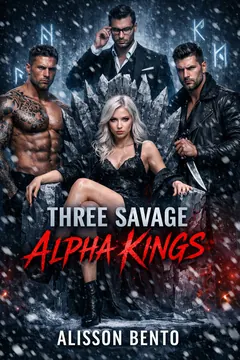
From Alisson Bento’s books
A shifter romance about one heroine, more than one devoted hero, and no choosing.
Kindle edition · Check Kindle Unlimited availability on Amazon.
What the Dark Fairy Tale Actually Promises
The official presentation frames Maximo as a dangerous figure rather than a conventional storybook prince. The key contrast is between the comforts he can provide and the controlling possessiveness attached to that provision. That is the premise’s central attraction to consider. If you enjoy a fantasy in which lavish attention and an intimidating romantic presence exist together, the description speaks directly to that interest. If you want the powerful figure’s role to be reassuring from the outset, it raises a different expectation.
The fairy-tale language should not be mistaken for a confirmed retelling of a named classic. Neither the nickname nor the image of a cage establishes a Beauty and the Beast adaptation, a Cinderella structure or a particular folkloric source. You can appreciate the contrast between promises of abundance and restricted freedom without assigning the novel a retelling label its verified descriptions do not supply.
There is also a difference between reading a possessive fantasy and asking the story to offer ordinary relationship advice. A reader may be curious about a character whose extravagant attention creates as many questions as it answers. Another may prefer a romance where material generosity makes daily life easier without carrying a claim over the recipient. Those are different pleasures, and Little Dove’s presentation places the claim itself close to the center of its appeal.
Age Gap, Power and the Daddy Dynamic Are Separate Choices
The author’s special-edition page identifies an age gap. The verified material used here does not establish an exact age difference, so this guide does not attach a number to it. More useful than guessing the number is deciding what you want the difference to do in the relationship. Experience, financial resources, authority and emotional dependence can interest different readers for different reasons; a single age-gap tag cannot describe all of them.
The Daddy label is a further preference, not an automatic consequence of an older romantic lead. The official content description uses it, so readers who specifically seek or avoid that language have a concrete reason to investigate this book. It should not be silently replaced with a vague phrase such as “protective hero.” A protective role, a possessive role and a particular intimate form of address can overlap while remaining distinct features of the fantasy.
Nor does the nickname Little Dove establish age play, a particular practice or a familial relationship. Those would be additional claims requiring their own evidence. The useful information is narrower and clearer: this book is marketed to adult readers, with an age-gap relationship, explicit material and a Daddy dynamic. If one of those features determines your choice, ask about that feature directly rather than relying on a general label for darkness.
Slow Burn Describes Development, Not Mildness
The German publisher and the special-edition description call the romance a slow burn. That gives a broad expectation about romantic development, but it is not a promise that the surrounding material is gentle. Violence, charged possessiveness and explicit sexual content remain part of the official presentation. A book can delay an intimate payoff while introducing troubling relationship conditions well before it.
This distinction is useful if your favorite slow burns are built around friendly cooperation, gradual trust or hesitant mutual courtship. The term does not guarantee those mechanisms here. Little Dove’s description asks you to consider a more dangerous figure and the power around the connection. Decide whether waiting for a relationship to develop interests you when the circumstances themselves are part of the tension.
It also prevents an unhelpful comparison between speed and intensity. “How quickly does the romance progress?” and “What kind of conduct am I reading?” are different questions. If you want a long emotional build but avoid controlling behavior, the first answer cannot settle the second. If you enjoy the controlling fantasy but dislike immediate romantic certainty, the slow-burn description may be relevant without telling you exactly where any turning point occurs.
Read the Cage Image as a Relationship Question
The gilded cage is an unusually useful piece of the official presentation because it joins luxury and restriction in one image. It encourages a question about what a character receives and what that gift appears to demand. That is more specific than simply calling Maximo rich, powerful or devoted. The attraction involves an exchange whose emotional meaning is contested by the very language used to sell the story.
This does not establish every practical circumstance of confinement in the novel. A promotional metaphor cannot tell us which doors are locked, how long a restriction lasts or what happens in a later scene. The accurate reading decision is whether you want to explore a romance advertised through that association of possession and costly comfort. Precise plot mechanics remain for the text and fuller content information.
For the broader distinction between closeness, protection and restricted freedom, the site’s guide to captive-romance premises provides useful vocabulary. Little Dove then supplies a specific title to investigate within that conversation. The general guide cannot certify this novel’s scenes, and this novel’s nickname cannot replace an account of what its characters actually do.
Keep Juliet in the Reading Decision
It is easy for discussion to turn entirely toward Maximo: how powerful he is, how possessive he sounds, whether he matches a favorite fantasy. Yet the official description presents the fairy-tale comparison through the voice of the person calling herself his dove. That presentation makes her interpretation important to the appeal. The question is not only what an intimidating man offers, but what the person receiving that attention makes of it.
This is a reading lens rather than a claim about every narrative viewpoint in the novel. A product description cannot establish the complete point-of-view structure. In a sample, listen for the balance between a character’s attraction, uncertainty and individual priorities. Do you want to spend time with that voice independently of the romantic lead? The answer can matter more than a list of his attributes.
Likewise, decide whether you enjoy an unconventional relationship described through knowingly romantic language. Some readers want the contrast between an alluring description and disturbing implications to remain active. Others want a narrator who plainly challenges the romantic framing. Neither preference follows automatically from enjoying dark romance. Little Dove’s fairy-tale presentation gives you a particular voice to test, while leaving its full development for the book itself.
Little Dove, Little Sunshine and Little Goddess
Frost’s catalog also contains Little Sunshine and Little Goddess, and the shared wording makes it easy to blur their identities. The author’s Little Sunshine page identifies Black Resorts book two and introduces Mila within a different relationship setup. That makes it a connected catalog lead, rather than an alternative name for Maximo and Juliet’s book.
The Little Goddess description introduces Cole, Marco and Freddy and a heroine who finds work at Black Resorts after leaving a threatening environment. Its multiple romantic interests make a different reader question central. A person interested specifically in one possessive man should not treat that title as an interchangeable substitute merely because its title begins with Little. A person looking for several romantic leads has a concrete reason to examine it separately.
Sequence information needs care. The German publisher explicitly places Little Dove first in Black Hill Resort. At the time of checking, Frost’s ordinary Little Dove paperback page displayed a “Book 2” label, while her Little Sunshine listing also identified book two. This guide preserves the publisher’s edition-specific position and records the inconsistency instead of inventing a universal order. It does not instruct you to buy an unnamed preceding novel or promise that every connected title has the same romantic structure.
The Verified German Edition Keeps the English Title
Romance Edition’s German listing retains Little Dove as the published title and credits Eva Leitold as translator. It identifies the original title as Little Dove and lists the book as part one of Black Hill Resort. This is a concrete translation connection: a German reading option with the same title, rather than a guessed translation such as “Kleine Taube” presented as an official product name.
For matching that edition, the publisher lists print ISBN 9783903519374 and EPUB ISBN 9783903519381. An identifier is especially helpful when stores present several covers together or an imported English copy appears beside a German translation. Search results in German do not by themselves establish German text. Match the language, translator and identifier to the format you intend to read.
This research does not establish published Portuguese, Spanish, French or Italian titles. The discussion can appear in those languages while keeping the original book title intact. A translated guide is not a claim that a translated novel exists in the same market. If you need one of those editions, look for an actual publisher credit and translator rather than treating a translated synopsis as sufficient confirmation.
Choose an Edition for Reading or Collecting
For a first reading, start with text language and format, then consider the cover. A special-edition label alone does not establish additional chapters, a different ending or a revised story. The author’s separate product page confirms the existence of that product; any particular bonus needs its own explicit description. Buying a decorative object and buying access to a narrative are connected decisions, but they need not have the same priorities.
For a gift, the adult content and relationship dynamic matter at least as much as appearance. A reader who enjoys a gentle age-gap romance may not want the possessive fairy-tale setup. A collector who already loves Little Dove may care more about the precise edition than another explanation of the premise. Ask which need the purchase serves before using a generic recommendation as a gift guide.
Frost’s 2020 launch announcement mentions Kindle Unlimited, but that historical statement cannot establish today’s subscription eligibility in your country. Check the current local product page for access, price and delivery.
Who Should Put It on the Shortlist?
Little Dove belongs on your shortlist if the combination itself appeals: Maximo and Juliet, an adult age-gap romance, a slow romantic build, explicit material and a possessive fairy-tale framework. The most helpful question is which part draws you. Someone seeking the Daddy dynamic has a different priority from someone seeking an intimidating romantic figure, even when both land on the same book.
You may want another route if what interests you is primarily a comforting older partner, a fully explained consent framework before any tension begins, or a non-explicit romance. The verified description does not support selling this title on those promises. That is a question of matching the reading mood; it does not require ranking one kind of romance above another.
Before deciding, read the author’s description and sample, identify your preferred language, and separate the relationship premise from the edition features. If the story’s central exchange is what attracts you, Little Dove is now an identifiable choice. If you want to explore a different combination of power and intimacy, browse Alisson Bento’s standalone romance catalog by premise and trope, choosing each book on its own terms.