
Other-woman drama in mafia romance describes several different sources of tension. A former partner attending family events, a proposed political bride, and someone secretly involved with the romantic lead are different situations. To choose comfortably, identify the third woman’s role and the central couple’s agreement at the time of her involvement.
The useful distinction is between history, pursuit, and participation. History concerns a relationship that ended. Pursuit concerns someone’s present interest, which may be unwanted. Participation concerns what the romantic lead actually does. A blurb mentioning a rival rarely settles all three, so one specific clarification can save an unsuitable purchase.
Distinguish an ex from an active rival
An ex can stay present because the fictional families share business or social obligations. That presence may create awkwardness without reopening the relationship. An active rival instead tries to gain an ongoing romantic place. Neither role tells you whether the hero welcomes the attention, discourages it, or conceals his response.
Consider a hypothetical adult couple, Elena and Tomas, both in their thirties. His former partner organizes a family auction and works beside him for one evening. Compare that with a woman introduced as his expected future spouse while he privately courts Elena. The second premise makes competing commitments central, even before anyone acts on attraction.
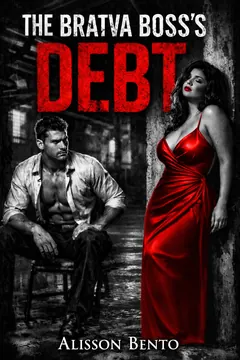
From Alisson Bento’s books
A mafia romance about a curvy heroine worshipped exactly as she is.
Kindle edition · Check Kindle Unlimited availability on Amazon.
Separate jealousy from cheating
Jealousy names an emotional reaction; cheating depends on conduct and on the relationship boundaries the story sets up. Elena might feel jealous during the auction even though Tomas keeps their agreement. Alternatively, he might hide romantic contact while the narration concentrates on her jealousy. Naming only her feeling obscures what he chose.
Define the boundary you need checked. Do you object to kissing, sexual involvement, ongoing romantic promises, or misleading flirtation after exclusivity? Readers use “no cheating” in different ways, especially when a relationship starts unofficially. Asking when exclusivity begins makes the answer more useful than debating an undefined label.
Read the competing commitment, not just the rival’s presence
A woman can be important to the crime-family plot without being a current romantic alternative. She might represent an alliance, hold information, or have a claim on an inheritance. What matters for this preference is whether the romantic lead treats her as a possible partner. Separating her narrative function from his conduct prevents a suspense role from being mistaken for relationship overlap.
Public expectations add another layer. A family may assume that two people will marry even when neither has agreed. Alternatively, the hero may have encouraged that expectation or made promises he has not withdrawn. The same arrival at a formal dinner can therefore carry different emotional stakes. Ask whether the expectation exists only outside the couple or is a commitment one lead still maintains.
An arranged alliance is not automatically a romantic relationship, but it may still matter to a reader who dislikes divided loyalty. You might accept political pressure if the hero openly refuses the proposed match. You might dislike a story in which he privately reassures the heroine while allowing another woman to believe the wedding will happen. Name that difference when requesting recommendations.
The third woman need not behave badly for competing commitments to be painful. She may reasonably believe a promise made to her, or have information the heroine lacks. Tracking what each person has been told can make the conflict easier to follow. It also keeps the reader’s concern focused on the lead’s decisions instead of assuming that a rival’s existence is the problem.
Choose the kind of tension you can enjoy
Some readers enjoy a brief jealous moment because it lets the main couple express desire or reassure one another. Others find even unwanted pursuit distracting. You may be comfortable with an ex who appears once but dislike a recurring rivalry woven through every family event. These are differences in emphasis and duration, not simply disagreements about whether the trope is present.
Consider the emotional experience of the scene. A heroine learning that her partner had a life before her can create vulnerability without casting doubt on the current relationship. Being repeatedly compared with an ex can make the reading experience about proving her worth. A public choice between women can feel different again, especially when the hero lets the uncertainty continue.
If reassurance is the part you enjoy, ask how it arrives. A direct conversation about the past offers one kind of payoff. A display of affection in front of the rival offers another. You might prefer private honesty to competitive public gestures, or enjoy both. An answer about whether there is cheating will not tell you which style dominates.
Likewise, distinguish the heroine’s reasonable uncertainty from information withheld only to prolong the misunderstanding. Readers can enjoy limited knowledge as suspense, but still want the couple to ask and answer clear questions. If extended miscommunication makes a reading mood unsuitable, include that preference alongside the boundary about reciprocal involvement.
Locate the boundary in time
Relationship timing matters because the characters may not begin with a shared agreement. Early attraction, an informal arrangement, a public engagement, and explicit exclusivity can occur at different points. A reader may view one of these as the beginning of commitment while the characters treat another as decisive. You can ask which understanding the story actually sets up.
For example, you may accept that a romantic lead dates other people before meeting the heroine, yet dislike continued dating once they begin courting. Another reader may accept that period but draw the line at a mutual promise of exclusivity. Neither request becomes clearer by saying that all past partners must disappear. Specify the conduct and the stage of the central relationship together.
Secret agreements can complicate a mafia premise. A public relationship may be political while a private romance develops elsewhere. That does not settle whether the private couple has promised exclusivity or whether the public partner knows the arrangement. If overlapping promises are the concern, ask about promises rather than relying only on whether a relationship is described as physical.
A wedding date can also mislead if used as the only dividing line. The central couple may agree to exclusivity well before marrying, or a marriage may begin as a negotiated arrangement with different terms. Look for the expectations set between these adults. The label attached to the relationship does not automatically tell you the boundary they believe they share.
Separate actions, intentions, and appearances
Scenes often create suspense by allowing the heroine to see only part of an interaction. A photograph, an overheard sentence, or an unexplained meeting can appear incriminating before context arrives. If apparent betrayal is as unwelcome as actual betrayal, say so. Otherwise, a recommender may accurately report no cheating while overlooking a lengthy plot built around its appearance.
Intentions alone do not resolve every preference. A hero might say he feels nothing for the other woman while still making romantic promises or hiding meetings. Another might receive an unwanted advance and end it immediately. Readers who dislike ambiguity can ask about his response to the attention, rather than seeking a judgment about what he secretly feels.
Unwanted pursuit also has degrees. Someone expressing interest once differs from repeated attempts to interfere with the relationship. A firm refusal followed by continued harassment is different from mixed signals that keep the rival hopeful. The relevant question is whether the romantic lead contributes to uncertainty or takes clear steps to end it.
Do not let the narration’s emphasis substitute for that question. A scene may focus closely on the heroine’s insecurity while showing little of the hero’s decision-making. You can appreciate her emotional perspective and still want to know what happened. When asking another reader, request the conduct category separately from how upset the heroine becomes.
Decide how much social rivalry you want on the page
Other-woman drama can dominate without any reciprocal romance. A relative may invite the ex to every gathering; a rival may challenge the heroine’s status; other characters may compare their suitability for the family. If your goal is a romance where the couple’s energy goes toward an external threat, even a nonreciprocated rivalry can occupy more space than you want.
Ask about frequency in ordinary terms: a short encounter, a recurring subplot, or a major source of conflict. Exact page counts are rarely necessary. These categories help distinguish a passing reminder of history from a book that returns repeatedly to another woman’s interest. They also let a recommender answer without identifying the most consequential confrontation.
Humiliation is another separate preference. Being made to compete at a social event can be uncomfortable even when the hero’s eventual choice is clear. You may enjoy a heroine defending herself but dislike scenes built around ridicule or deliberate comparison. Request information about that experience independently of whether the couple stays together.
The rival’s portrayal may affect your enjoyment too. Some readers prefer adults with understandable motives; others enjoy an openly antagonistic rival as part of heightened melodrama. You can ask whether the subplot centers on family expectations, deception, or direct interference. That gives a clearer picture of its tone than assuming every ex serves the same narrative role.
Use a sample for voice and a completed read for conduct
An opening can show how the heroine thinks about an ex or a proposed bride. It may reveal whether the story presents rivalry as glamorous, painful, comic, or threatening. That is useful for tone. It cannot reliably show what the lead does through the entire relationship or whether a late revelation changes the situation.
For a firm conduct boundary, a reader who has completed the relevant book is often more useful than an opening description. Ask them to separate confirmed behavior from initial appearances. They can tell you whether the story includes reciprocal involvement after commitment without explaining the hidden alliance, secret meeting, or larger crime plot surrounding it.
If the romance spans several books, specify the volume or completed arc you intend to read. An answer about the first installment may leave later relationship developments unanswered. You can request a whole-arc answer when you plan to commit to the series, while keeping the response restricted to your particular boundary.
There is no need to resolve every possible preference before choosing. Identify the one or two features most likely to spoil this reading mood: reciprocal involvement, sustained uncertainty, or public humiliation, for example. Clear priorities make a short relationship note more useful than a broad request that another reader may interpret differently.
When a recommendation uses “other-woman drama” as a warning, ask which part earned the label. It may refer to a woman’s attempted interference rather than a romantic triangle the hero sustains. A two-sentence explanation of role, reciprocity, and timing usually tells you more than either accepting or rejecting the book because of that phrase alone.
You can also distinguish temporary ambiguity from a lasting rivalry. One misunderstood encounter that leads to an honest conversation may suit your mood, while chapters of unresolved comparison may not. Asking how long the uncertainty shapes the central relationship helps you choose the emotional pacing without requesting the details that explain the encounter.
Ask for a spoiler-light relationship note
A spoiler-light relationship note can describe categories without identifying the rival’s plans. Ask whether the third woman is an ex, an unwanted pursuer, or a simultaneous romantic partner, and whether the main lead reciprocates after commitment. You can request yes-or-no answers if knowing her identity would spoil the suspense.
Try: “Adult mafia romance with an ex in the social circle is fine, but I want no reciprocal romantic or sexual involvement with another woman after the couple agrees to exclusivity. Can you confirm that boundary without describing the confrontation?” Add whether sustained comparisons or public humiliation also make this particular reading mood unsuitable.
Read another angle: Choosing mafia romance with a capable heroine · Pregnancy in mafia romance: choosing the family stakes · Possessive vs jealous romance hero: feelings, claims, and choices
Explore the wider romance catalogue. The catalogue groups books by genre and trope; it does not confirm every preference discussed in this guide.