For enemies-to-lovers cowboy romance with substantial conflict, look for a dispute that would matter even if the adults were not attracted to each other. Land access, competing work priorities, or loyalty to rival businesses can give their opposition a concrete cost. Teasing alone offers a different pleasure: friction without a problem requiring resolution.
Ask what each adult stands to lose. If the only consequence of disagreement is another sharp conversation, you may be reading banter or personal dislike. If agreement requires someone to reconsider a promise, an income source, or a community responsibility, the attraction enters a conflict with established stakes.
Distinguish a genuine dispute from teasing
A genuine dispute gives both sides something intelligible to defend. One adult may want a quiet working property while the other wants to expand guest activities. Neither position must be equally persuasive to you, but understanding each purpose makes the change toward cooperation more interesting than discovering that one character was simply unpleasant.
Consider a hypothetical adult pair, thirty-eight-year-old Rowan and thirty-four-year-old Tessa. Rowan needs an access route kept clear for daily ranch work; Tessa’s outdoor event business depends on using the same lane during festival weekends. Their opening hostility has a schedule and a cost. Attraction does not create extra space or an alternative route.
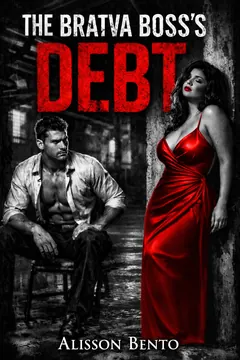
From Alisson Bento’s books
A mafia romance about a curvy heroine worshipped exactly as she is.
Kindle edition · Check Kindle Unlimited availability on Amazon.
Compare land disputes with working rivalry
Land-based conflict often concerns control of a place or access to it, while working rivalry concerns methods, performance, or shared resources. Rowan and Tessa could remain opposed as neighboring operators. Alternatively, they might be co-managers arguing over staffing. The second setup gives them recurring decisions inside one enterprise rather than negotiations across a boundary.
For a narrower work-friction example, the opening of A Farrier for the Cowboy introduces Wren through horse care and a cattle-sorting problem. Bridger’s curt manner and attempts to manage someone who is not his employee create professional boundary tension. That starting friction is distinguishable from the hypothetical competing access rights above; neither setup should be flattened into “they dislike each other.”
Find the disagreement that attraction cannot solve
The simplest test is to remove the romance for a moment. Would the lane still need to stay clear? Would the staffing decision still affect a business? Would a promise to a relative still constrain the choice? A yes suggests a dispute with independent stakes. That gives the relationship something to transform beyond the adults’ willingness to flirt.
In Rowan and Tessa’s hypothetical situation, neither can fix the problem by admitting attraction. Their schedules still collide. The romantic change becomes more satisfying if it alters how they approach the collision: whether they share information, test another arrangement, or take the other’s responsibilities seriously. The exact compromise remains a reading pleasure to discover.
A conflict can be consequential without making either adult morally wrong. One may prioritize access for work; the other may need reliable space for events already promised. Understanding both positions does not require every consequence to be equal. It requires the narrative to show why a reasonable person might resist changing the arrangement.
If you prefer a lighter mood, a smaller disagreement may be enough. Two adults can clash over methods or expectations without threatening anyone’s livelihood. Ask whether you want inconvenient friction, a professional rivalry, or a dispute with serious costs. The enemies-to-lovers label can encompass very different degrees of opposition.
Separate competing interests from poor treatment
A sharp manner can create immediate friction, but it does not by itself show an underlying dispute. In A Farrier for the Cowboy, Wren encounters Bridger’s curt welcome while undertaking skilled work. The description also shows practical assistance and a boundary problem: he tries to manage someone who is not his employee. That opening offers work tension rather than proof of opposing land claims.
The distinction helps you choose your preferred kind of change. A manners-based conflict may improve when an adult listens or acknowledges another person’s role. A land-access problem still needs a workable arrangement after respect improves. You might enjoy either transition, but they ask the characters to solve different problems.
Do not assume that calling the adults enemies tells you whether their behavior is harmful. Rivalry can range from irritation to serious interference. If there are actions you do not want romanticized, ask about those actions specifically. A description of mutual attraction cannot answer how the characters treat one another while they remain opposed.
Likewise, one character’s anger may have a concrete basis rather than simply supplying banter. A sample can show what happened before the sharp exchange and what each adult believes is at stake. Read that context before deciding whether the friction feels playful, justified, or more severe than your current mood wants.
Compare neighbors, colleagues, and outsiders
Neighboring operators negotiate across a boundary. They may control separate property or businesses and need a shared arrangement for access or resources. Colleagues have recurring decisions inside one enterprise. An outside contractor may have a particular job to complete without accepting the manager’s broader authority. These setups produce different routes into the same broad trope.
Wren arrives at the Colane ranch to trim and shoe horses. Bridger’s father arranged the visit, while Bridger deals with the immediate demands on the property. That starting situation matters because her professional presence does not make her his employee. Their friction can be read through who commissioned the work and who assumes the right to direct it.
The cattle-sorting problem brings practical interaction into that visit. The opening shows Wren contributing beyond the task she arrived to perform, which complicates Bridger’s first impression. That gives the adults a way to learn about one another through work. Still, it does not prove that the whole later relationship follows an enemies-to-lovers arc.
An outsider premise can also make local expectations visible. One adult may assume a custom needs no explanation while another asks why it should govern the job. If you enjoy that kind of disagreement, request conflicting assumptions about work and community. If you prefer longstanding rivalry, ask for adults whose opposing interests predate the opening.
Follow the cost of loyalty
Family and community loyalty can give a dispute emotional weight. An adult may have promised to maintain an operation, protect a relative’s interests, or support a local event. A new attraction then intersects with an existing obligation. The interesting question is whether the characters can understand the obligation before asking each other to change it.
Inherited disagreement offers another possibility. The adults may repeat positions associated with their families or businesses without having examined them independently. A satisfying transition can involve discovering which part of the dispute is current and which part survives because nobody has questioned it. If that appeals, ask for loyalties that receive attention beyond a mention of an old feud.
A community can complicate compromise by watching it. An adult may fear that cooperation looks like surrender or disloyalty. That social cost differs from the practical cost of changing a route or schedule. Readers who enjoy small-community pressure can ask whether neighbors materially affect the dispute rather than merely appearing as a friendly background.
You may prefer the conflict to remain personal and local instead. Two capable adults disagreeing over a recurring task can provide plenty of friction without a larger feud. Name the scale you enjoy: a working problem, competing businesses, or loyalties involving families and neighbors. That keeps a recommendation focused on the kind of stakes you want.
Notice what cooperation teaches them
A shared task can provide new evidence about reliability. An adult may discover that the other follows through, explains a concern accurately, or adapts when a plan fails. Those observations can support a change in attitude. A transition built from what they learn feels different from attraction simply making the earlier objection disappear.
Trust can develop before agreement. Rowan and Tessa might still want different uses for the lane after learning that each keeps promises. That development matters because it changes how they negotiate. The book can allow respect to grow while preserving a legitimate problem, rather than pretending that a kiss settles competing schedules.
A dramatic rescue may reveal courage or care, but it may not answer the original dispute. If practical resolution is your interest, ask whether the adults return to the issue after an emotional turning point. You can enjoy dramatic attraction and still want the work or land conflict to remain consequential.
Look for reciprocal learning. One adult may better understand daily ranch needs while the other recognizes the commitments behind an event business. The transition does not require both to be equally mistaken. It does require some change in how they understand or respond to the other’s stake if cooperation is the payoff you want.
Choose how slowly opposition changes
You might want the dispute to remain active through much of the novel, or prefer an early shift into reluctant teamwork. A description of enemies becoming lovers rarely specifies that rhythm. Ask whether they spend substantial time opposed, cooperate while still arguing, or move quickly from initial friction to a shared task.
Banter can continue after respect develops. Sharp dialogue need not mean the conflict has reset, just as quieter conversation need not mean the underlying problem is solved. Read what changes in their decisions. Do they share information more readily, ask before intervening, or take a new proposal seriously? Those behaviors show movement.
If you dislike hostility prolonged by avoidable misunderstanding, mention that separately. You may want a slow transition because the interests genuinely conflict, not because neither adult asks a straightforward question. That distinction lets a recommender explain the source of the delay without spoiling the compromise.
The sample is useful for the quality of the disagreement: whether both positions are intelligible and whether the dialogue interests you. A completed-book reader can answer whether cooperation eventually addresses the practical issue. Keep those sources of information separate so the opening is not asked to prove the whole arc.
Request the conflict and the kind of change
A short recommendation can name the disputed resource, the adults’ roles, and whether their cooperation becomes meaningful. It does not need the terms of the final agreement. For example, “neighboring businesses with conflicting access needs” gives a concrete premise while leaving the characters’ solution intact.
If the cowboy setting is essential, ask how it affects the problem. A ranch job, land decision, or community obligation can make the setting part of the conflict. A rural backdrop with mostly personal teasing offers another experience. Neither is wrong, but the recommendation should distinguish them.
Choose the book whose disagreement makes you curious about a workable change. When attraction enters a problem that remains real, the romance can deepen through listening, testing, and negotiation. That is the particular satisfaction this narrower request seeks: adults learning to cooperate without erasing what mattered to them at the start.
Look for cooperation that changes the conflict
Cooperation should alter the problem, not only the mood. In the lane example, testing staggered event arrivals could reveal whether their needs can coexist. That concrete experiment gives the adults new evidence about each other’s reliability. A rescue or a kiss might deepen attachment while leaving the original disagreement completely intact.
Ask: “Adult cowboy enemies-to-lovers where both leads have legitimate work or land priorities and their cooperation changes the underlying dispute. Please identify what they disagree about without describing the final compromise.” This request favors an earned transition and keeps the solution available as a reading pleasure rather than a pre-reading explanation.
Read another angle: Pregnancy in cowboy romance: ranch work, support, and new plans · Small-town romantic suspense: choosing mystery beside the love story · Cowboy romance vs Western romance: understand the setting, roles, and era
Explore the wider romance catalogue. The catalogue groups books by genre and trope; it does not confirm every preference discussed in this guide.