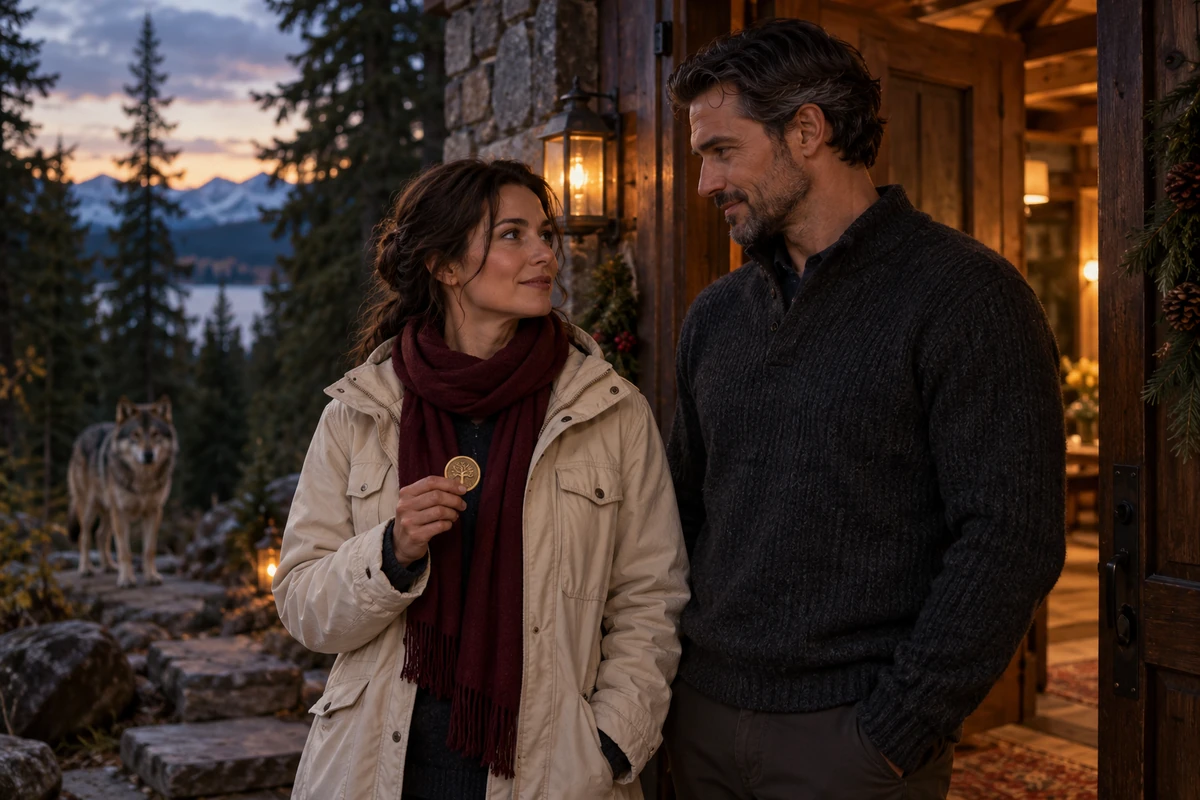
A human mate in werewolf romance creates a specific belonging question: how does an adult enter the pack’s world without necessarily sharing its species? Choose whether you want the human to remain human, consider transformation, or discover that possibility gradually. The mate label alone does not identify which path a particular story takes.
Information matters from the beginning. A human who already knows about the pack can negotiate within a familiar world; someone learning it exists must also decide which explanations to trust. Neither version requires the human to be helpless. Their expertise, relationships, and priorities can remain important even when supernatural rules are unfamiliar.
Check what the human knows about the pack
Track what the human knows when the bond is identified. Do they understand who can recognize it, what obligations the pack associates with it, and what happens if they refuse? Mystery can be part of the pleasure, but it produces a different experience from adults discussing the same rules before making a commitment.
Imagine a hypothetical adult romance between thirty-nine-year-old human surveyor Ada and adult werewolf Soren. Ada already knows the pack exists but does not know that accepting its guest token signals a courtship intention. The resulting conflict concerns a custom she could not interpret, rather than unwillingness to recognize feelings she fully understood.
Compare changing species with remaining human
Remaining human can keep differences in daily life central: access to places, participation in rituals, or the meaning of membership. Transformation instead adds a decision about identity and capabilities within the invented world. If your preference specifically requires continued humanity, ask for that fact rather than assuming a human introduction establishes the whole arc.
A transformation option also has a story-specific cost. Is it reversible? Does the human want it for reasons beyond a partner? Does the pack treat change as an expectation? These questions concern the fictional mechanism. You can prefer a permanent human partnership while still enjoying discovery, shared rituals, and negotiated belonging.
Look for shared rules about the mate bond
The mate bond needs a shared explanation. Soren’s certainty that Ada is his mate does not establish what she experiences or wants. Compare a bond that supplies recognition with one that imposes distress at separation. Those mechanics change how refusal operates and what the adults must discuss before a relationship can feel like a mutual decision.
Ask: “Adult werewolf romance with a human romantic lead who remains human and receives clear explanations of pack customs. Does the mate bond allow refusal without magical punishment? Please confirm those features without describing the ending events.” If you welcome transformation, replace the first requirement with a request that the human actively chooses it.
Read another angle: Blood bonds in vampire romance: intimacy, information, and limits · Romantasy with an older heroine: looking beyond the coming-of-age arc · Human and supernatural romance: read power imbalance through information and choice
Explore the wider romance catalogue. The catalogue groups books by genre and trope; it does not confirm every preference discussed in this guide.