
If you want romance without miscommunication, describe the frustrating pattern itself rather than asking for characters who never misunderstand anything. You may hope for adults who clarify ambiguous remarks, share relevant decisions, or keep talking during conflict. Even a couple who communicate well can still face incompatible plans, difficult timing, or an outside problem neither adult can solve in one conversation.
Distinguish an information gap from avoidable silence
An information gap exists when someone lacks a fact. Avoidable silence creates a distinct kind of romantic tension: a character could easily ask or explain, yet the story keeps an assumption alive anyway. You might enjoy one and dislike the other. A surprise built on facts nobody possesses is not the same as a breakup built on an overheard fragment that neither adult ever talks about.
Picture a hypothetical adult couple. Thirty-year-old Hana has applied for work abroad, and thirty-two-year-old Eli is committed to a local project. She tells him about the application before accepting an offer. They understand the situation, yet they still disagree about distance. The conflict stays serious because their preferred futures pull apart, rather than because either of them has mistaken silence for an answer.
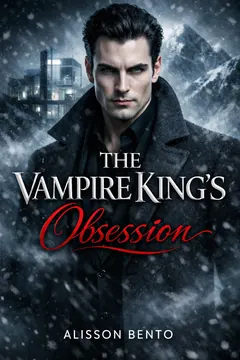
From Alisson Bento’s books
A vampire romance about a hero who claims her and never lets anyone forget it.
Kindle edition · Check Kindle Unlimited availability on Amazon.
Compare external stakes with relationship assumptions
Outside pressure can keep a communicative romance active. The adults may weigh practical options, share the disappointment, and choose different priorities without finding a solution right away. Readers who want open conversation often enjoy watching a couple cooperate under pressure. The compelling question then becomes how the couple handles a known difficulty, rather than when someone will finally say the missing sentence.
An outside plot, though, does not guarantee this experience. A threatened business, a family demand, or a deadline can sit alongside relationship assumptions. Check whether the romantic leads talk through the issue that affects them both. Privacy and concealment are also worth telling apart: keeping unrelated confidences is one thing, while holding back a decision about a shared commitment, one the other adult needs to weigh, is another.
Choose what can remain difficult after the facts are known
Honest conversation does not make two preferred futures compatible. Hana can explain the job application, and Eli can understand it, yet neither wants the arrangement the other prefers. That gives you a useful starting test: if the facts were shared clearly, would the central problem still exist? A yes points toward conflict built on choices rather than on a missing explanation.
Values, timing, distance, money, and obligations can all create difficulties the couple knows about. Adults might agree on what happened and still disagree about what should come next. If that is the tension you enjoy, ask for a conflict the couple openly recognizes. The pleasure of reading then lies in watching decisions unfold, rather than in waiting for an assumption to be corrected.
Even a communicative couple can still disappoint each other. They may need time, turn down an option, or admit that no easy compromise exists. You do not have to ask for perfectly agreeable characters in order to avoid a prolonged misunderstanding. Instead, describe the behavior you want during disagreement: questions, direct explanations, and a real return to the conversation.
This distinction also helps you judge tone. A frank disagreement can feel emotionally intense even in a romance without an information-gap plot. If your mood calls for reassurance, ask whether discussion usually keeps the relationship steady. If difficult negotiation appeals to you, say so clearly, so your request does not turn into a demand for no conflict.
Separate uncertainty about facts from uncertainty about feelings
A character may understand the practical situation while still being unsure how they feel. They might need time to think before naming a preference, or to decide what an invitation means to them. That is a different thing from holding back a settled decision the partner needs to know. If emotional processing is acceptable to you, include it in your definition of good communication.
An adult can also be unsure what the other person’s feelings mean without holding any factual misconception. Asking directly may not bring an immediate answer, because the partner is uncertain too. You may enjoy watching that self-understanding develop, while disliking a plot in which both know the truth but refuse to speak.
A reader may know more than either character. Dual viewpoints can show that both characters plan to explain something, or that a gesture has been read in two different ways. Dramatic irony can build tension even without any real deception. If it frustrates you when the reader knows more for a long stretch while the couple stays confused, ask about that pattern specifically.
In the other direction, a single viewpoint may leave you uncertain while the characters communicate well enough in the scenes you can see. Narration structure and relationship conduct are separate questions. Do not assume that dual narration guarantees clarity, or that single narration guarantees a misunderstanding plot.
Read silence by its purpose and duration
A pause can be deliberate and openly communicated: an adult asks for time and says when they will return. Another kind of silence may leave the partner guessing whether the relationship continues. The same stretch of time can therefore carry different emotional weight. Ask whether a withdrawal is explained and whether the promised conversation really takes place.
Privacy can be legitimate inside a relationship. An adult may keep a friend’s confidence or choose not to share every memory right away. Hiding a decision about a shared plan, however, creates a different problem. If transparency matters to you, name the information you think the other partner needs for a current choice.
In a suspense premise, a safety concern may limit what someone can share. You might accept that limit while still wanting the adults to acknowledge what remains unknown. Or you might prefer a romance with little protective secrecy at all. State the distinction clearly, so a recommender does not conclude that every concealed fact is justified and therefore falls outside your request.
Duration matters when a small uncertainty drives a large share of the book. One mistaken impression, corrected in the next conversation, may suit your mood. Chapters of decisions built on it may not. Ask whether the misunderstanding is brief, recurring, or the main engine of the romantic plot.
Look at what happens when a question is asked
A straightforward question opens the door to clarity, but the reply matters just as much. A character may answer, dodge, change the subject, or offer a partial explanation. If you prefer direct discussion, ask whether the leads respond meaningfully, rather than simply letting one of them keep asking.
An answer can be honest yet incomplete because the character lacks information. That is not the same as a technically true statement designed to mislead. You may welcome mystery around facts nobody knows, while disliking evasive wording within the relationship. Name that preference if the distinction affects your enjoyment.
Listening is also something you can observe. Does the adult respond to the concern that was actually raised, or assume they know what the partner means? A conversation can be full of words and still skirt the central question. If you enjoy attentiveness, ask whether the couple clears up interpretations instead of only making declarations.
Repairing a misunderstanding can be part of good communication. One adult may notice they assumed too much, ask again, and revise their response. You need not rule out every mistake. A useful request focuses on whether correction is possible and timely, rather than demanding flawless language from the first scene.
Choose the devices you want checked
An overheard fragment, an unexplained photograph, a case of mistaken identity, or an interrupted confession can each create tension based on information. You may enjoy one of these devices and dislike another. Ask about the particular mechanism that keeps frustrating you, rather than lumping all uncertainty into a single category.
If interrupted conversations bother you, ask whether important explanations are repeatedly delayed by convenient events. One interruption may add realism or suspense, but a chain of them can become the main way the story postpones clarity. Someone who has finished the book can describe the pattern without revealing the actual information.
False protective rejection creates a very particular experience. A character may deny affection to make the partner leave, while privately believing the separation is necessary. If you count that as unwanted miscommunication, say so. Another reader might call it sacrifice rather than misunderstanding, unless your request names it.
Family or workplace gossip can also introduce an assumption that the couple needs to check. You might enjoy outside misinformation if the adults discuss it promptly, or you might prefer a story with no plot built around it. Whether gossip appears and how the leads respond are two separate points to check.
Read known external pressure as a source of story
A deadline can force adults to choose before every consequence is certain. A family demand can set their priorities against each other. A business problem can demand cooperation while resources remain limited. Pressures like these can carry a romance in which the couple shares information, because talking does not create new time or lift the obligation.
Hana and Eli’s hypothetical work conflict follows this pattern. She can disclose the application before accepting an offer, and he can explain his local commitment. Their honesty gives the other person a meaningful choice, but it does not guarantee that either of them immediately likes the options on the table.
Their next conversation could sort out what is negotiable from what is not. Perhaps the timing can flex but the location cannot, or a temporary arrangement would only delay the same concern. Readers who enjoy practical negotiation can ask whether the story explores options, rather than presenting one grand gesture as the complete solution.
Communication can also reveal an incompatibility that changes the plan. If you have a particular ending in mind, ask about that separately. Avoiding a prolonged misunderstanding does not by itself tell you how the relationship resolves, or whether every professional question closes in the same volume.
Assess the pattern across the relevant arc
A sample can show an early conversation you enjoy, but a later conflict may use a different device. If you want a firm no-prolonged-misunderstanding rule, ask someone who has finished the book about the main romantic engine. They can answer without identifying the late revelation or explaining how it is resolved.
If the relationship continues across a series, say whether your request applies to the first volume or the whole arc. A recommendation about a couple who starts out open may leave later secrecy unexamined. You can decide how much you want to know, but the answer should match the reading commitment you plan to make.
A short note such as “the main conflict is a disclosed career decision, with a brief early mistaken impression” can be more informative than “no miscommunication.” It names both the dominant structure and a smaller exception. That helps you judge whether the recommendation suits your own tolerance.
You can also ask for the positive pattern: adults who ask for clarification, disclose decisions that affect shared commitments, and return to difficult conversations. This gives a recommender something concrete to recognize on the page, rather than asking them to prove that no ambiguous sentence ever appears.
Use the preference to choose the kind of conflict you enjoy
Once you have ruled out the frustrating device, choose the substantive difficulty that interests you. You might enjoy long-distance planning, competing careers, family obligations, or partners working together against an outside threat. Clear communication is one way the relationship works through the story, not a substitute for the story itself.
A request can therefore name both: direct discussion of concerns, and a main problem that stays meaningful after that discussion. Add any specific concealment or withdrawal device you want avoided. Those details make a useful answer possible without asking for a full plot synopsis.
The right match lets conversation move the romance forward. It may expose a hard choice, produce a tentative plan, or show that another discussion is needed. What matters is that the adults’ words and responses change their understanding, rather than leaving one missing sentence to carry the whole emotional arc.
Ask for the specific communication pattern you prefer
In Hana and Eli’s invented story, an uneasy conversation could end with “I need a day to think, and then we will talk again.” That is different from disappearing and expecting the other person to read the withdrawal correctly. Communication can include pauses, uncertainty, and imperfect wording. For your reading preference, what matters is whether clarification stays possible and actually happens.
A useful request sounds like this: “I want an adult romance where the leads raise concerns directly and the main conflict survives honest conversations. Please tell me, without explaining the resolution, whether a prolonged misunderstanding or a withheld relationship decision drives the plot.” Asking this way avoids promising a conflict-free romance and pinpoints the narrative engine you want to spend your reading time with.
Read another angle: Plus-size heroes in romance: finding the body representation you want · Hurt/comfort romance: selecting the care and emotional intensity · Second-chance romance grovel: the apology, the change, and the earned reunion
Explore the wider romance catalogue. The catalogue groups books by genre and trope; it does not confirm every preference discussed in this guide.