
Revenge in mafia romance becomes distinctive when a grievance against one person turns into a demand aimed at an entire family. The romance may expose the difference between someone being responsible and someone merely being available to punish. Choose whether you want lovers caught between feuding households, a relationship used as leverage, or adults investigating who actually caused the wrong.
Identify the person held responsible
Identify who the avenger holds responsible at the start. The named culprit may be the love interest, a relative, a leader, or a group the protagonist treats as interchangeable. That belief governs how early affection reads. A sincere conversation with someone considered personally guilty creates different tension from courting an innocent relative to gain access to the person the avenger wants.
Empire of Ashes offers a concrete family grievance. The book’s English description presents Alessia facing Dante Moretti after his family destroyed her father’s business through debt. Dante invokes an obligation and demands marriage to join their lineages. The initial conflict therefore links present alliance pressure to remembered family harm; it is not simply a feud mentioned as decorative background.
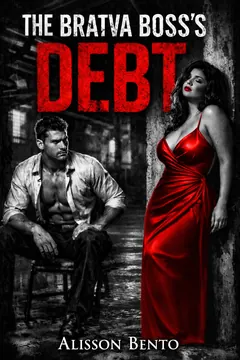
From Alisson Bento’s books
A mafia romance about a curvy heroine worshipped exactly as she is.
Kindle edition · Check Kindle Unlimited availability on Amazon.
Compare personal revenge with a family feud
A personal grievance can have a finite focus, such as confronting the person behind a specific act. A family feud can inherit earlier accusations and draw in adults who did not make the original choices. The latter lets the couple’s growing trust conflict with a collective story about whom they must hate. It can also add pressure from relatives who see reconsideration as disloyalty.
Ask whether the protagonists know the grievance firsthand or depend on someone else’s account. Evidence that surfaces on the page gives their choices a different weight from unquestioned household rumor. If you prefer a mystery thread, ask for substantial investigation. If you mainly want emotional conflict, ask for lovers who understand the feud’s stakes without the book having to hide the original event from you.
Watch how new information changes the plan
That opening, as the book’s description presents it, places a daughter’s memory of destruction alongside the powerful man’s proposed alliance. It does not show whether new evidence later changes her understanding or his conduct. If reconsidered responsibility is the revenge arc you prefer, ask about it separately. The description is useful for locating family harm and coercive alliance at the start, while leaving the story’s later turns unspoiled.
Separate the grievance from the method of revenge
A grievance answers what the avenger believes was done. A plan answers what they now intend to do about it. The distance between those two supplies much of the trope’s tension. A lost business might inspire a demand for restitution, an attempt to damage another household’s standing, or a marriage intended to capture its future. Those plans affect different people. When you choose a book, decide whether you want a narrowly directed reckoning or a deliberately far-reaching retaliation.
The opening of Empire of Ashes makes economic harm part of present life. Alessia’s mother’s medicine and her younger brother’s welfare are immediate concerns after the destruction of her father’s business. Dante’s influence reaches the pharmacy and the landlord, giving his marriage demand practical force. These details make the remembered grievance more than an emotional explanation. The same systems that produced the earlier harm can still determine what the heroine is able to do now.
That continuing pressure changes how a proposed alliance reads. A marriage might be presented as a route out of conflict while depending on the very leverage that created it. A reader can be curious about attraction inside that contradiction without treating the offer as ordinary compromise. If you enjoy stories where the language of peace masks an unequal arrangement, look for concrete consequences attached to refusal. If you want a mutually negotiated reconciliation, ask how much participation exists beyond the opening demand.
The description sets out the initial pressure and Alessia’s objection; it does not show how later revenge, responsibility, or romance gets resolved. Keep those questions open when you consider the example. Its value for this reading preference lies in the visible connection among remembered family destruction, current dependence, and a demanded alliance. An opening known from the book’s description can give you a compelling reason to look into a book, without offering a verdict on every later choice.
Read family affiliation as a disputed explanation
In a family feud, a surname can become shorthand for a whole history. The avenger may assume that every relative benefits from the wrong, endorses it, or will defend it. The romance can complicate those assumptions by placing one particular person close enough to be known. This does not require making that person innocent of everything. It can instead reveal different degrees of knowledge, participation, benefit, and opposition within the same household.
Those distinctions give readers different emotional experiences. Discovering that someone did not commit the original act may ease one accusation while leaving their continued benefit uncomfortable. Learning that they objected privately may raise questions about what they were willing to do publicly. Learning that they helped can turn attraction into a more direct moral conflict. Ask a recommender whether responsibility is examined in layers, rather than asking only whether the romantic lead is good or bad.
Family expectations can also constrain the avenger. A person may begin with a private grievance but face relatives who demand a more severe response. Another may inherit a feud whose original event they know only through stories. In the first structure, romance challenges an established plan; in the second, it may challenge the account that made the plan seem necessary. Decide whether you enjoy a protagonist reconsidering their own conduct or questioning the history they were taught to defend.
A shift from group blame to individual judgment can be gradual. Small contradictions may pile up before a character is ready to give up a familiar explanation. Readers who like investigation may want evidence examined openly. Readers who prefer emotional tension may want the avenger to recognize another person’s individuality through conversations and shared decisions. Both approaches can change the target of revenge, but the pleasure lies in different kinds of discovery.
Choose whether the romance begins in deception
Using a relationship as access gives ordinary romantic scenes a second purpose. A question can gather intelligence, a visit can expose a household routine, and a gift can build trust. When the reader knows the plan, warmth may become suspenseful, because someone receives it without understanding its purpose. If you enjoy this double meaning, ask whether the avenger enters the relationship with a concealed objective, and whether that concealment still matters after genuine attraction appears.
An open alliance creates another structure. The adults may understand the grievance and the practical reason for their connection while disagreeing about what should happen next. Their conversations can then focus on terms, responsibility, and competing futures. This approach may offer less uncertainty about motive but more direct conflict over conduct. Readers who dislike prolonged hidden agendas can still enjoy revenge romance by asking for an openly acknowledged feud or bargain.
There is also a difference between intending deception and struggling to keep it up. An avenger who starts to hesitate can make a simple opportunity feel charged: the plan requires one action, while newly acquired knowledge makes that action harder to carry out. The tension comes from the specific thing withheld, delayed, or reconsidered. If you like internal conflict, look for moments when attraction changes a decision before it changes a declaration. That pattern can make emotional movement feel tangible.
A concealed plan may harm someone before the avenger revises it. Readers who want meaningful repair can ask whether the story addresses that harm after the secret comes out. You need not learn about the exposure scene in order to find out whether consequences receive attention. By contrast, readers who enjoy unresolved volatility may prefer the disclosure itself to drive the remaining conflict. Make the amount of reckoning you want part of the request, rather than assuming attraction guarantees the response you want.
Distinguish evidence from a convenient excuse
New information can change a revenge plan in several ways. It may point to a different responsible person, challenge the scale of the original accusation, or reveal a cost the avenger had ignored. Each change calls for different reasoning. If a protagonist simply drops the grievance because the romantic lead is attractive, the story offers a different experience from one that shows why the accusation or proposed punishment no longer fits what they know.
For an investigation-centered preference, pay attention to where information comes from. An interested person’s explanation carries different weight from a document, a witnessed action, or several independent accounts. Fiction need not reproduce a formal inquiry to make judgment convincing. It can show a character noticing a contradiction and seeking enough clarification to act differently. Ask whether the story lets you follow that movement, rather than only announcing that the truth has changed everything.
Evidence can complicate a grievance without erasing it. A person may have acted under pressure and still caused harm; a household may have benefited without directing the act. Readers often find this ambiguity more interesting than a complete reversal from guilty to innocent. If you enjoy difficult responsibility, say you want the romance to coexist with unresolved questions about conduct. If you prefer a clear mistaken accusation, specify that the eventual clarification should be central.
Changing the target is not the only possible reconsideration. An avenger might decide that the planned method would injure the wrong people even while remaining convinced of the original culprit’s guilt. That shifts the story from identifying responsibility to choosing a proportionate response within its fictional world. It can be especially appealing if you want the heroine or hero to retain the grievance while finding a different future. Ask whether the plan changes in purpose, target, or method.
Notice who carries the cost of reconsideration
Abandoning retaliation can look different to outsiders than it feels to the couple. Relatives may read restraint as disloyalty; an ally may depend on the original plan; a person already harmed may want an answer. These pressures can keep the revenge plot active after the lovers understand each other better. If you enjoy family conflict, ask whether changing course affects relationships beyond the central couple. That prevents a recommendation from reducing the entire reckoning to a private conversation.
The avenger may also lose an organizing purpose. A plan can structure their days, justify their risks, and connect them to a household. Reconsidering it can require building a goal that is not defined entirely by the earlier wrong. A romance that gives this transition room may feel more reflective than one that moves immediately into another threat. Decide whether you want the pace of pursuit, the emotional aftermath of reconsideration, or both.
The wider guide to revenge romance considers attraction’s effect on a plan across settings. In mafia romance, add the practical reach of households, resources, and alliances. A character may change their mind while still lacking the power to end the feud. That gap between personal judgment and collective action can provide exactly the complication a reader wants, so mention it when you request a book.
Choose the question that will keep you reading: whether the accusation is correct, whether the method can be justified, whether deception can be repaired, or whether two adults can act differently from their families. A strong opening may raise several, but your preferred question determines which scenes matter most. With that focus, you can seek a revenge romance whose attraction creates a real problem for the plan rather than merely appearing beside it.
Attraction alone does not correct a mistaken accusation. A precise, spoiler-light question could be: “Does this adult mafia revenge romance distinguish personal responsibility from family affiliation, and does new information change the avenger’s conduct? Please tell me whether the romance starts as deception or an open alliance, without identifying the evidence or the final target.” This protects the revelation while clarifying the kind of reckoning you want.
Read another angle: Mafia bodyguard romance: loyalty when protection has two employers · Secret-baby mafia romance: disclosure under family pressure · Revenge romance trope: who is the target, and what changes the plan?
Explore the wider romance catalogue. The catalogue groups books by genre and trope; it does not confirm every preference discussed in this guide.