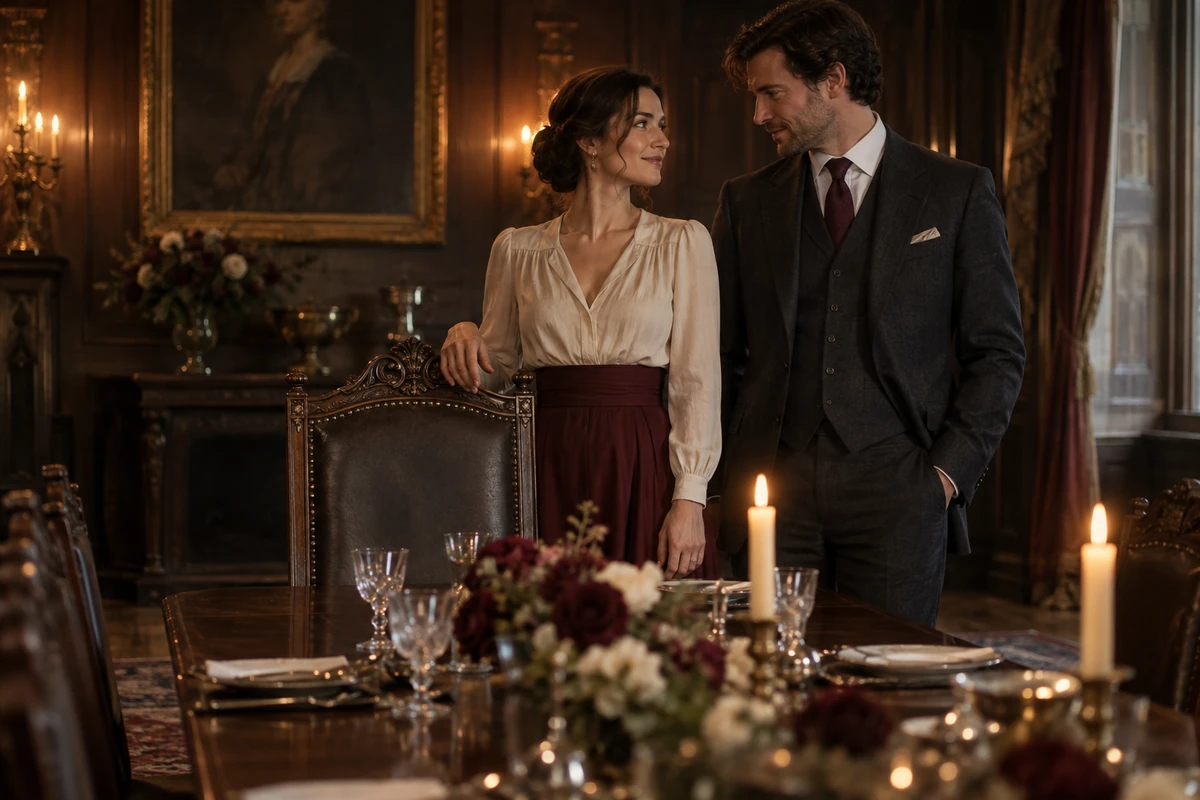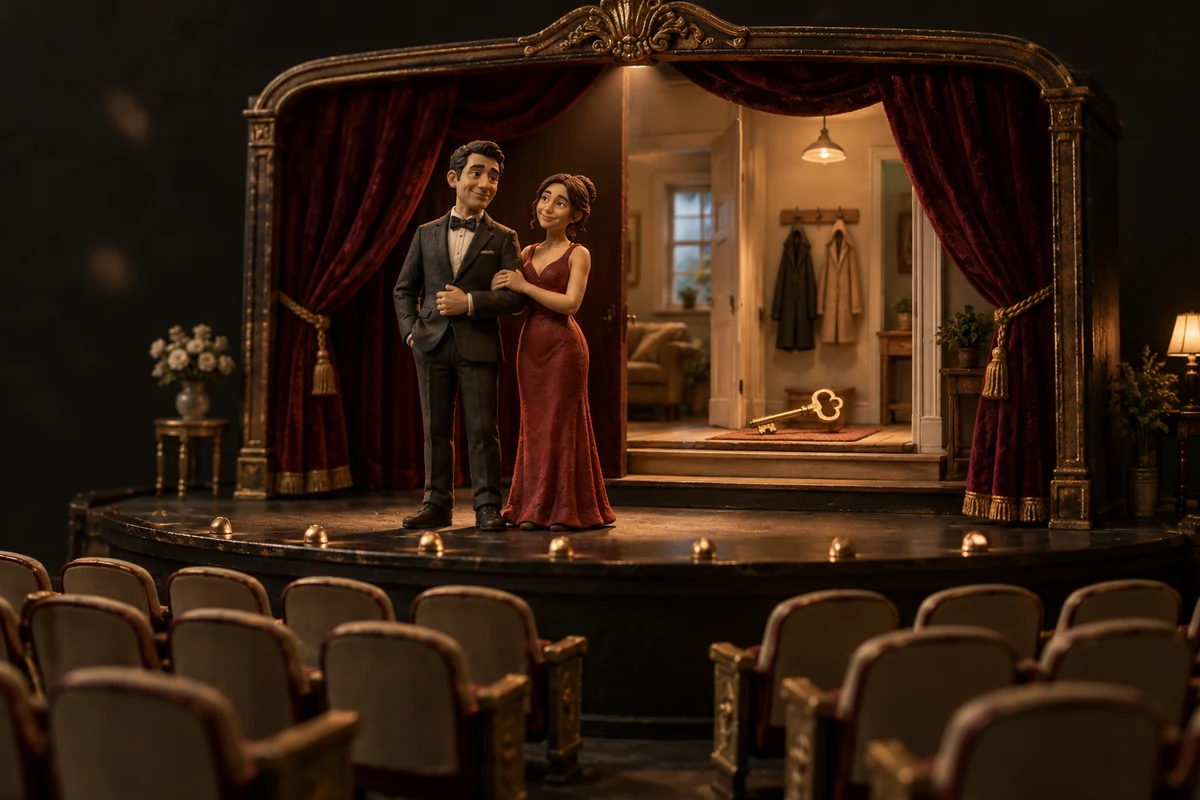
A fake relationship in mafia romance needs a particular audience and a reason that audience must believe it. A cover created to discourage unwanted attention has different stakes from one meant to announce an alliance. Choose the public purpose first, then consider how maintaining the performance changes what the adults can safely ask of one another in private.
Identify whom the performance must convince
The audience determines the work of pretending. Relatives may test family knowledge, rivals may watch public appearances, and staff may notice changes in routine. The couple needs a story suitable for those observers. You might enjoy awkward rehearsal and improvised answers, or prefer suspense built around whether a carefully prepared cover will survive scrutiny from people with conflicting interests.
For a catalogue example, The Fake Wife Deception has a verified profile describing a fake-relationship framework within mafia bodyguard romance. Its opening follows Rhea seeking documents about a property transfer at the Alderton Grand, where she meets Norman in a restricted corridor. The concrete attraction here is documentary suspense and guarded cooperation, rather than an opening built around lighthearted dating practice.
Compare protection with an alliance
A protective cover aims to change how outsiders treat one adult. An alliance cover aims to change how outsiders interpret the couple’s loyalties or combined power. The adults might agree on the performance while disagreeing about its purpose. If you enjoy bargaining, seek a premise that explains what each expects to gain rather than one that gives only a general promise of danger.
In a hypothetical adult example, thirty-four-year-old Maren poses as thirty-seven-year-old Victor’s partner to attend a family gathering and locate a missing file. Victor wants their public pairing to discourage another proposed alliance. Their cover works for two different reasons, so they need to share enough information to avoid making a public promise the other adult never agreed to fulfill.
Check how the cover affects private trust
Private trust concerns what the performance permits. A staged affectionate gesture can be useful to the cover without settling whether affection is welcome when the audience leaves. In The Fake Wife Deception’s recorded opening, Rhea wants a traceable chain of evidence, while Norman notices patterns suggesting a controlled handoff. That starting uncertainty gives readers a specific trust problem to explore; it does not establish how the later cover or romance resolves.
Ask for the kind of performance you want: “In this adult mafia fake-relationship story, whom must the couple convince, and is the cover primarily protection or an alliance? Please describe how much planning the arrangement receives without revealing when their feelings become real.” If a document mystery appeals, the named profile offers a concrete starting point to investigate alongside those preferences.
Read another angle: Dynastic mafia romance: inherited power and a private future · Mafia office romance: employment inside a criminal business · Fake dating vs marriage of convenience: the deal, the audience, and the real commitment
Explore the wider romance catalogue. The catalogue groups books by genre and trope; it does not confirm every preference discussed in this guide.