
In shifter why-choose romance, pack rank and romantic importance need separate attention. A leader may have authority over a fictional community without having permission to choose another adult’s relationship. Look for how the heroine learns the rules, challenges them, and begins distinct connections inside the group.
If you love the discovery of a hidden shifter world, you may prefer a heroine who asks questions rather than instantly understanding every unfamiliar custom. An institutional ultimatum and a direct transformation encounter offer two different ways into that world, each with its own reason to seek explanations.
An official order can reveal authority before it explains belonging
Archivist Willa Greer reaches Ironvein to preserve her grandmother’s papers in Tamed by Three Wolves. A High Council notice sets an inspection and registration deadline without explaining them. Beck Cordray orders her to leave sooner and threatens to take her away. His eyes turning gold adds a supernatural fact to an already contested demand.
This opening suits a reader who likes rules as a mystery. Willa examines omissions and wording instead of treating an official-looking document as a sufficient explanation. The scene shows pressure and resistance; it does not show that every order is a mate bond, or that Beck’s authority settles the future standing of all partners.
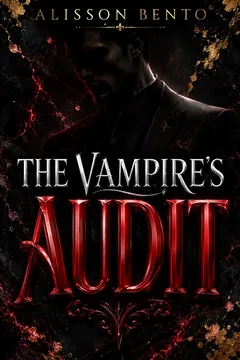
From Alisson Bento’s books
A vampire romance about a slow burn that makes every touch count.
Kindle edition · Check Kindle Unlimited availability on Amazon.
Immediate rescue can precede understanding the group’s language
In Her Winter Wolves, weather photographer Lark Bennett injures her ankle after her truck slides off an unmapped mountain road. Three wolves accompany her through the blizzard and become men. Jude, Archer, and Seth react to her scent and introduce the term Omega while she demands explanations.
That entry begins with witnessed transformation and practical need. Cold and injury give assistance immediate value, while the new vocabulary remains unfamiliar. If you enjoy discovery through physical circumstances rather than institutional documents, this is a concrete alternative. The opening confirms the rescue and the Omega identification, but not how a later bond is negotiated.
Notice individual commitments beside collective rules
A pack scene can show coordination, but a romantic bond needs its own meaning. One partner might listen to a concern another plays down; a separate conversation might clarify a promise left vague in public. Look for those changes if your favorite why-choose experience depends on several recognizable relationships rather than one collective declaration.
Separate a community’s authority from an individual’s claim
A pack can have rules for residence, collective safety, or public duties without those rules automatically defining romantic participation. The distinction matters because the same person may speak as a leader in one scene and as a potential partner in another. If you enjoy shifter hierarchy, look for a story that makes clear which role is active. Otherwise, a command can be hard to read: is it an institutional requirement, a personal demand, or an attempt to present one as the other?
Willa’s opening makes competing instructions explicit. The High Council notice gives eighteen days until inspection and registration at the full moon, while Beck tells her to leave within three days. The difference between the deadlines is part of what she has to assess. An official-looking document and an individual’s ultimatum do not offer identical accounts of her obligations. Readers who enjoy institutional mystery may find this disagreement more compelling than a single fully explained pack law.
Willa also has a purpose that predates the notice: preserving Hesper’s papers under a university fellowship. Sixty years of family history give her refusal a specific object. She examines the document’s omissions rather than treating the pressure as a reason to abandon that work at once. Beck’s knowledge of Hesper complicates his threat, and his eyes turning gold adds a supernatural fact without answering every institutional question. The description sets up this opening conflict, not his exact pack rank or the later romantic arrangement.
This is a useful comparison with Lark’s encounter. She witnesses wolves become men while cold and an injured ankle make assistance urgent. The first explanation she needs concerns what has just happened in front of her and what Omega means in this situation. Willa is already evaluating a document before the supernatural fact appears. One opening makes hidden authority legible through disputed instructions; the other introduces unfamiliar identity through a physical rescue.
Read a new label as information requiring explanation
A word such as Omega can name a role within a particular invented world without telling a newcomer everything that role involves. The characters may know its customary implications while the heroine does not. Readers who enjoy discovery can ask whether the story makes that gap consequential. Does someone explain the term, distinguish custom from obligation, or respond to her questions? A supernatural label can create curiosity while leaving romantic permission unsettled.
In Lark’s description, the men’s reaction to her scent introduces the term. That shows their interpretation at the opening, not a complete account of every bond or future choice. Jude blocks the wind while Archer Quinn and Seth assess her condition, giving their assistance immediate practical value. Lark demands explanations. Readers drawn to a heroine who asks questions under pressure have a concrete reason to look into the book, without assuming that the later negotiation has already been confirmed.
Physical need can coexist with skepticism. A character may accept help because weather or injury requires it while still wanting answers about the people providing it. That creates a different relationship pace from instantly adopting the group’s understanding of her identity. If you enjoy gradual interpretation, ask whether practical cooperation and romantic agreement develop separately. If you prefer rapid recognition of a bond, ask for that rhythm instead; the presence of shifters alone does not tell the two apart.
A label may also carry different meanings for different group members. One partner might regard it as a responsibility, another as compatibility, and another as a source of political risk. Those are general possibilities to ask about, not confirmed later responses in the named books. They show how a shared term can reveal individual priorities. Why-choose becomes more particular when several adults explain what a rule means to them rather than delivering one collective answer.
Choose how the heroine learns the hidden world
A document-led opening invites close reading. The heroine can compare wording, notice what is omitted, and ask whose authority supports a demand. An encounter-led opening invites observation of bodies, behavior, and immediate assistance. Both can set up a hidden shifter world, but they give the reader different work. Decide whether you want to puzzle through institutional clues or experience an unfamiliar phenomenon alongside someone trying to survive the circumstances.
The heroine’s existing skill can make that discovery specific. Willa’s archival attention gives her a way to resist an unexplained notice. Lark’s weather photography has brought her onto the road, and the lost camera bag connects the accident to her livelihood. The description also mentions her mother’s repaired strap, adding personal significance to the equipment. These details mean each woman enters the supernatural encounter with a life and purpose, rather than only a readiness to become part of a pack.
Ask whether those purposes stay visible as the romance develops. A heroine may reconsider a project after new information, but the interesting reading question is whether her reasoning and priorities remain part of the story. Preserving papers and recovering a working life are different concerns. If you enjoy a practical heroine, look for continuity in the specific goal that drew you to the opening, rather than relying on a broad promise of independence.
Knowledge can remain uneven after the first explanation. A heroine may learn the vocabulary while still not knowing who benefits from a rule or how it is enforced. A partner may understand pack custom but be unfamiliar with her professional obligations. This reciprocal gap can create good conversations. If you enjoy a relationship where both sides learn, ask whether her existing world also receives attention instead of treating every question as something only the supernatural group can answer.
Read separate commitments beside coordinated behavior
A pack scene can show that the men know how to act together. A private relationship needs more specific information: what each promises, what each understands, and how each responds when the heroine disagrees. Collective competence can be appealing without making individual commitments unnecessary. Readers who want several distinct bonds can ask for one-to-one conversations that change the meaning of the group relationship, rather than simply repeating its shared declaration.
Differences may emerge in responses to the same boundary. One partner might explain a concern directly, another might assume agreement, and another might ask what would make the arrangement workable. Such scenes let the heroine evaluate people through conduct. They also give the reader more than rank labels. If you like individually recognizable love interests, ask how separate responses contribute to trust, without requiring a catalogue of every later disagreement.
Pack authority can be contested within the group. A leader’s public position may not settle how other members feel about a personal decision. Another member may disagree while remaining loyal to the community. This can make a why-choose story interesting because romance intersects with an existing network of duties. If you prefer a harmonious group, say that you want coordination to remain reassuring. If you enjoy internal debate, request partners who do not always read hierarchy the same way.
The named openings confirm shifter why-choose frameworks, institutional pressure or rescue, and questioning heroines. They do not set out a complete final relationship map. If specific connections among partners matter, confirm them directly. Neither pack membership nor the word Omega settles who becomes romantically involved with whom. Keeping that question separate stops an appealing hierarchy premise from being treated as proof of an unconfirmed configuration.
Distinguish instinct, custom, and a chosen decision
An instinctive reaction can establish attraction or recognition within invented shifter rules. Custom can prescribe what a community expects next. A chosen decision concerns what a particular adult agrees to do. These layers can overlap, but keeping them apart is useful when choosing a romance. Some readers enjoy tension between instinct and judgment; others prefer instinct to line up quickly with a wanted relationship. Ask which pattern gets attention, rather than assuming all mate-related premises handle it alike.
Institutional pressure can make that tension sharper. A rule may be urgent because a deadline approaches, while personal understanding takes longer. The story can turn those different speeds into conflict. Willa’s competing deadlines and Lark’s immediate physical need offer distinct opening pressures, without confirming later mate-bond terms. A reader interested in negotiation should ask whether the book gives the adults room to discuss what comes next after the initial demand or rescue.
The comparison of an alpha hero and a pack alpha distinguishes personality from leadership. For why-choose, add whether formal rank affects private decisions and whether each partner answers individually for conduct. An assertive romantic lead is not automatically the pack’s governing authority; a governing authority does not automatically define every intimate commitment.
A focused request might name the entry you want: an institutional mystery with a questioning heroine, a rescue introducing unfamiliar shifter vocabulary, or a pack where romantic negotiation challenges established custom. Add whether distinct partners should explain their positions directly. A recommender can confirm those starting structures without revealing the final bond. Then choose the opening whose particular questions make the hidden world feel worth learning.
Your next request could be “shifter why-choose where the heroine questions pack rules and individual partners answer for their choices.” These two openings make that curiosity useful in different ways. Ask separately who chooses a mate bond, whether ranks affect private decisions, and what room the heroine has to disagree; a pack label cannot settle those details.
Read another angle: Vampire why-choose romance: immortality across a group · Billionaire why-choose romance: wealth across several relationships · Alpha hero vs pack alpha in romance: personality, leadership, and the difference
Explore the wider romance catalogue. The catalogue groups books by genre and trope; it does not confirm every preference discussed in this guide.