Cowboy marriage of convenience begins with a practical reason to marry, but the ranch bargain matters most when you understand the land or livelihood behind it. Shared chores may create intimacy; they do not themselves explain the agreement. Choose by what the marriage is supposed to protect and whose future depends on it.
If inheritance stories appeal to you, consider the difference between receiving an asset and understanding its existing use. Acreage can arrive with neighbors, routines, and informal promises already attached. That gives a rural marriage premise a more particular starting point than a generic need to “save the ranch.”
Inherited land can already belong to someone else’s working life
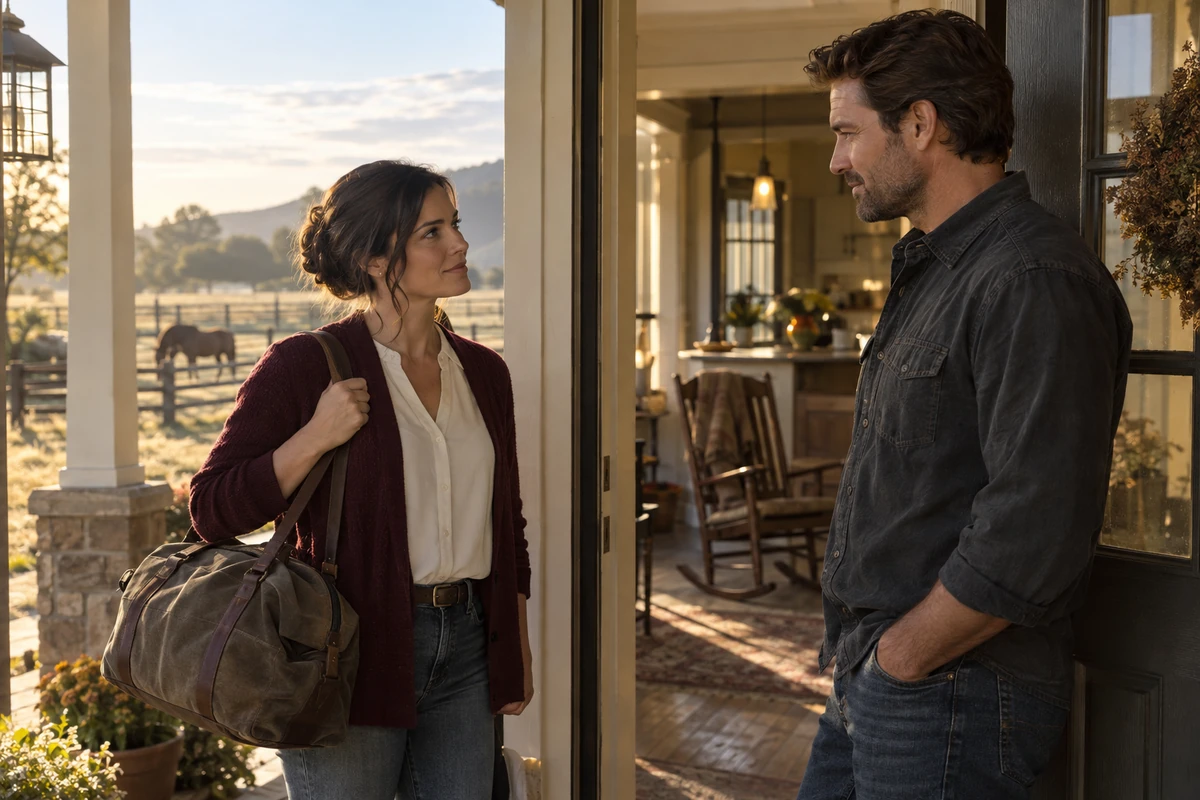
In The Rancher’s Sentence, Elena expects three nights in Montana to inspect an inheritance and return to Denver with a valuation. The estate instead includes a 940-acre strip that Wilder Ranch has grazed through an unrecorded handshake with her grandfather.
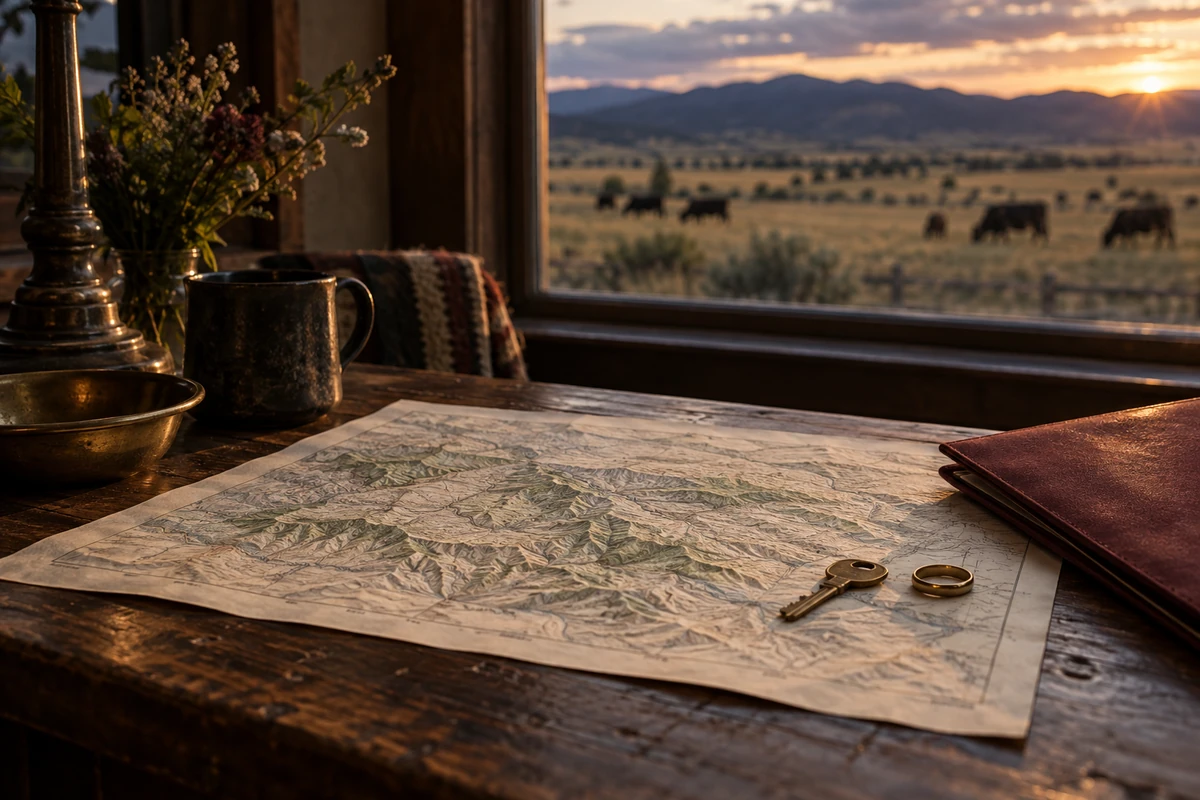
Elena is an urban planner, so land use and maps are familiar tools. Owning this particular land is new. The opening makes the difference between professional expertise and a personal decision concrete: she must examine what an informal arrangement means for an inheritance she barely expected to inhabit.
A genre framework does not reveal the marriage’s exact terms
The verified profile identifies a western marriage-of-convenience romance. Its opening establishes acreage, grazing, and Elena’s visit, rather than spelling out a later wedding’s contractual provisions. That gives you a source-grounded reason to sample without inventing an inheritance condition, spouse requirement, or financial timetable.
Choose this premise if you enjoy a city professional confronting the practical scale of rural property. The housekeeper Marta’s connection to Elena’s grandfather adds personal history beside the valuation problem. To decide whether the specific marriage bargain suits you, seek the fuller description of what each adult gains and can refuse.
Domestic cooperation and commitment can develop at different speeds
A person may learn the household’s routine before trusting the other adult with a difficult choice. Conversely, attraction may arrive before the couple understands how their working responsibilities fit together. Ranch convenience romance can make both kinds of progress interesting because practical consequences continue after a private conversation ends.
Ask for a spoiler-light explanation of whose livelihood relies on the original deal and what obligations each spouse accepts. You need not learn the ending to know whether the agreement sounds appealing. Elena’s opening offers contested meaning around inherited grazing land, professional competence, and family memory; it does not promise that a marriage solves every property problem or settles the emotional relationship immediately.
Read another angle: Adult college why-choose romance: campus roles and group chemistry · Ranch boss and employee romance: attraction when work is also home · Marriage of convenience romance: when the agreement stops being enough
Explore the wider romance catalogue. The catalogue groups books by genre and trope; it does not confirm every preference discussed in this guide.