A cowboy marriage of convenience begins with a practical reason to marry, but the ranch bargain matters most once you understand the land or livelihood behind it. Shared chores may create intimacy, but they do not by themselves explain the agreement. Choose by what the marriage is supposed to protect and whose future depends on it.
If inheritance stories appeal to you, consider the difference between receiving an asset and understanding its existing use. Acreage can arrive with neighbors, routines, and informal promises already attached. That gives a rural marriage premise a more specific starting point than a generic need to “save the ranch.”
Inherited land can already belong to someone else’s working life
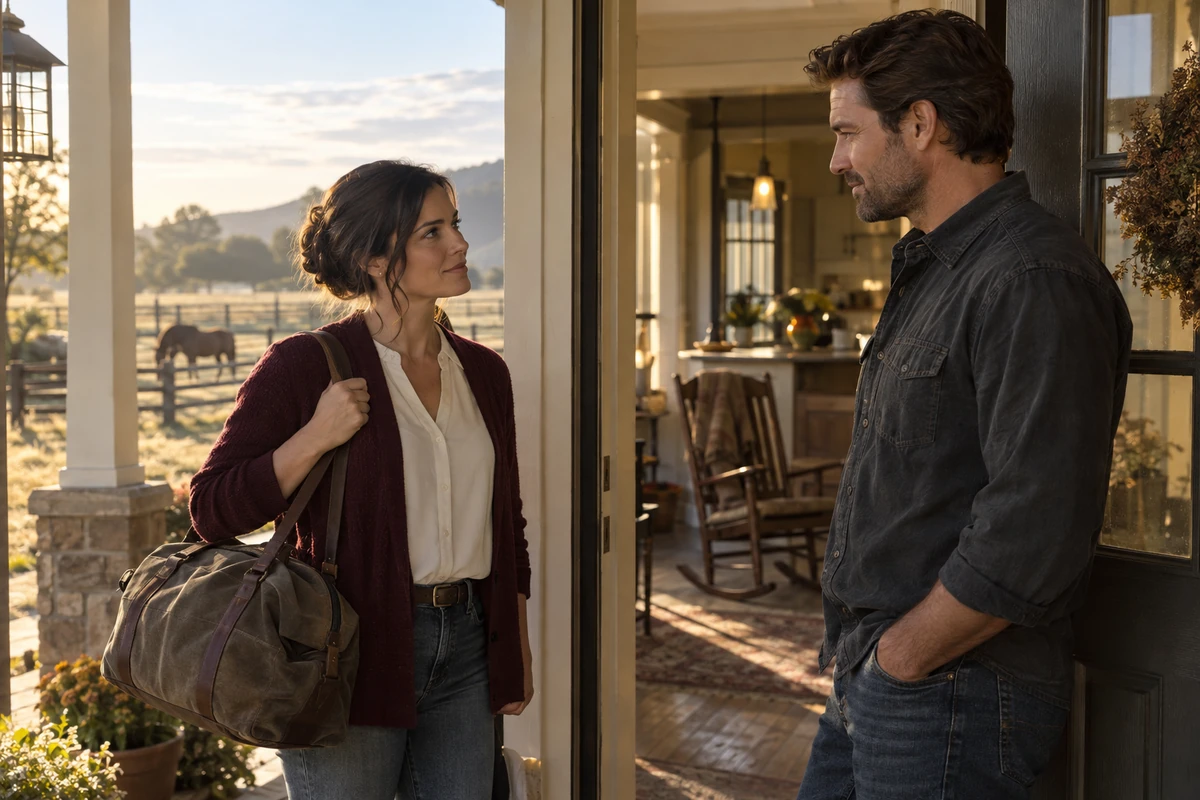
In The Rancher’s Sentence, Elena expects three nights in Montana to inspect an inheritance and return to Denver with a valuation. Instead, the estate includes a 940-acre strip that Wilder Ranch has grazed under an unrecorded handshake with her grandfather.
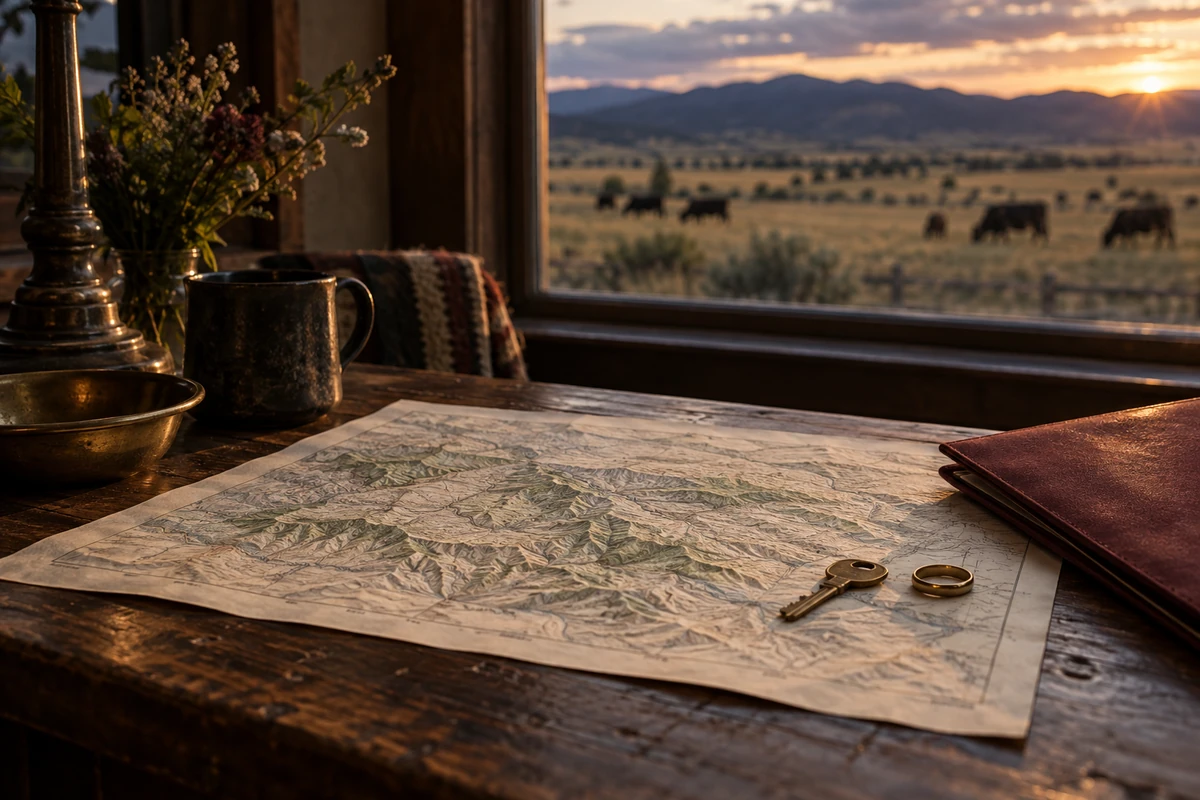
Elena is an urban planner, so land use and maps are familiar tools. Owning this particular land is new. The opening makes the gap between professional expertise and a personal decision concrete: she must work out what an informal arrangement means for an inheritance she had barely expected to live in.

From Alisson Bento’s books
A vampire romance about hate, sparks and the moment the line between them burns.
Kindle edition · Check Kindle Unlimited availability on Amazon.
A genre framework does not reveal the marriage’s exact terms
The book’s description identifies a western marriage-of-convenience romance. Its opening shows acreage, grazing, and Elena’s visit, rather than spelling out a later wedding’s contractual provisions. That gives you a reason, grounded in the description, to sample without inventing an inheritance condition, spouse requirement, or financial timetable.
Choose this premise if you enjoy a city professional confronting the practical scale of rural property. The housekeeper Marta’s connection to Elena’s grandfather adds personal history beside the valuation problem. To decide whether the specific marriage bargain suits you, look for the fuller description of what each adult gains and what each can refuse.
Domestic cooperation and commitment can develop at different speeds
A person may learn the household’s routine before trusting the other adult with a difficult choice. Conversely, attraction may arrive before the couple understands how their working responsibilities fit together. Ranch convenience romance can make both kinds of progress interesting, because practical consequences keep going after a private conversation ends.
Separate the land’s value from the relationships attached to it
An inherited parcel has economic value, but a working property can also carry expectations formed before the new owner arrives. Access, grazing, maintenance, and informal use may be part of someone else’s routine. A convenience-marriage premise becomes more specific when it shows those connections rather than announcing a threatened ranch in general terms. Readers who enjoy practical rural conflict can ask which existing activity the proposed agreement is meant to preserve.
Elena’s opening gives that question a precise scale. The 940-acre strip has been used by Wilder Ranch through an unrecorded handshake with her grandfather. She arrives expecting a short inspection and valuation, so the existing use complicates a plan made at a distance. Her professional familiarity with maps and land use helps her understand the issue without giving her an automatic answer about her own property. That distinction is the heart of the opening’s appeal.
A handshake arrangement can have personal meaning within the story while leaving the new owner uncertain about expectations. The opening does not show its legal consequences or require a marriage as an inheritance condition. Those would be separate facts. What the opening does confirm is that it brings Elena into contact with a working relationship she did not create. Readers interested in the later marriage should ask what practical terms emerge rather than inventing them from the grazing problem.
The acreage can matter differently to different adults. One may see an asset to assess; another may see part of a continuing operation; someone else may remember the person whose promise shaped its use. A romance can make these views meet through specific conversations. If you enjoy land-based negotiation, request clear differences in what the property means. If you mainly want domestic proximity, you may prefer the property issue to serve as a simpler entrance.
Choose whether expertise or unfamiliarity drives the encounter
A city professional need not be incapable in the country. Elena knows the abstractions of land use but has not made this personal decision in this place. That lets the story combine skill and uncertainty without reducing either. Readers who enjoy a capable newcomer can ask for a heroine whose knowledge stays useful while local experience adds information she lacks. The contrast is more interesting than assuming rural life teaches her everything from nothing.
Physical scale can change the way a familiar concept feels. A boundary on a map becomes a fence somebody maintains; a land-use arrangement becomes animals and work already in motion. These general scene mechanisms can make professional understanding more immediate. If you enjoy that attention to place, request enough working detail to see why the bargain matters. You do not need an exhaustive explanation, only consequences that connect an agreement to the people using the land.
Marta brings another form of knowledge into Elena’s opening. As the housekeeper who knew her grandfather, she connects the inherited place to a man Elena barely remembers. The description does not show Marta’s view of every later bargain. It gives the property a personal history beside its valuation. Readers interested in inheritance as more than money can appreciate that second source of information while discovering how much it affects Elena’s decisions.
Local knowledge and authority should remain distinct. Someone can understand how the ranch works without owning every asset; an owner can have a decision to make while needing practical explanation. If you enjoy negotiation between adults with complementary expertise, ask for that balance. If you prefer one character strongly guiding the newcomer, request it directly. The opening shows Elena’s competence and unfamiliar ownership, but not the final distribution of authority between spouses.
Read the proposed bargain beyond its headline
A practical marriage can be meant to protect different things: continued use of land, a working household, financial stability, or public credibility. Those goals create different obligations. A request to save a ranch is too broad to tell a recommender which scenes you want. Ask what each adult is supposed to gain and what would make the arrangement useful without attraction. That keeps the marriage’s practical purpose clear.
The Rancher’s Sentence is confirmed as a western marriage-of-convenience framework, but the book’s description of the opening stops at the inherited-land encounter. It does not supply a spouse requirement, exact deadline, or contractual wedding provision. Treat those as questions for a fuller description or a finished reader. You can still choose the premise for urban-planning expertise and grazing history while leaving the original marriage terms unconfirmed.
A useful distinction is between a goal and a term. Preserving an operation can be the goal, while a specific residence, duration, or division of work can be part of the agreement used to pursue it. Readers who enjoy detailed negotiation may want both explained. Readers who prefer a lighter arrangement may need only enough clarity to understand the reason for proximity. Name the amount of bargaining you want rather than assuming the trope has one standard format.
Also ask who can revise the terms. A bargain agreed by two adults creates different scenes from one directed by relatives or an institution. A practical benefit can be valuable even when the process is pressured. If your preference concerns mutual design, specify that each spouse participates in setting the initial arrangement. If you enjoy constrained negotiation, ask for the pressure to remain concrete. Neither feature can be inferred from acreage alone.
Look for work that makes married life consequential
Shared tasks can reveal habits before personal disclosure becomes easy. One adult may prioritize immediate repairs while the other considers longer plans. A disagreement over a schedule can expose different assumptions about who is responsible. These possible scenes give a ranch bargain a continuing practical life. Readers who like everyday cooperation should ask whether work remains present after the ceremony, rather than only setting up the initial need to marry.
Practical compatibility and emotional trust can grow at different speeds. Two people might coordinate tasks well while avoiding a difficult conversation, or feel attraction while still misunderstanding a working obligation. A convenience-marriage story can use that unevenness to sustain tension without constant external crisis. Decide whether you enjoy quiet adjustment, explicit bargaining, or repeated friction. The land-based premise can support all three, but the scene rhythm will differ.
Division of labor can make affection visible through changed attention. A spouse may notice a task has become harder, ask before taking it over, or recognize why the other values a particular routine. Those changes have more meaning when the reader understands the work. If you want the ranch to be more than scenic, request decisions tied to recognizable responsibilities. A sweeping landscape description cannot show that ongoing texture by itself.
The heroine’s life elsewhere can stay relevant too. Elena planned to return to Denver after three nights, so the opening gives her plans that reach beyond Montana. The description does not show whether she changes that plan. It makes the visit consequential precisely because inheritance complicates something she had already intended. Readers who want both lives treated seriously can ask how the full story handles that existing professional context.
Ask what changes when the bargain becomes personal
A spouse may begin to want time, trust, or a future beyond the practical terms. That new desire can make the original distance uncomfortable while leaving the arrangement useful. Readers who enjoy gradual emotional change can ask whether the adults discuss what they want instead of assuming the bargain now means more. This is a request about relationship development, not a demand for a specific ending.
The broader guide to convenience marriage looks at changing expectations. A cowboy setting adds land use and continuing work, so a revised promise may affect an operation as well as a private relationship. Ask whether those practical consequences remain visible when feelings grow. That keeps the specific ranch bargain at the center of your reading preference.
A spoiler-light recommendation can explain the original practical purpose, each spouse’s initial contribution, and whether household work receives sustained attention. It need not reveal the property outcome or the moment affection is declared. For The Rancher’s Sentence, the opening gives you inherited acreage, informal grazing history, professional knowledge, and family memory. Those features form a possibility grounded in the description, while the precise marriage terms still require confirmation.
Choose the premise whose land problem you actually want to understand. If the inheritance’s existing use interests you, the later relationship will have something specific to complicate. If your main pleasure is married domestic closeness, ask how the working arrangement produces those scenes. The practical bargain becomes personal most convincingly for this preference when the reader continues to see what each adult is trying to preserve and what they begin to ask for together.
A valuation can tell the heroine one thing while a visit tells her another. Figures describe an asset’s possible worth; an existing use reveals why another household depends on it. If you enjoy that difference, ask for an inheritance story where the owner has to understand the practical situation before committing to a plan. That is a more specific rural pleasure than acreage alone.
Ask for a spoiler-light explanation of whose livelihood relies on the original deal and what obligations each spouse accepts. You need not learn the ending to know whether the agreement sounds appealing. Elena’s opening offers contested meaning around inherited grazing land, professional competence, and family memory; it does not promise that a marriage solves every property problem or settles the emotional relationship immediately.
Read another angle: Adult college why-choose romance: campus roles and group chemistry · Ranch boss and employee romance: attraction when work is also home · Marriage of convenience romance: when the agreement stops being enough
Explore the wider romance catalogue. The catalogue groups books by genre and trope; it does not confirm every preference discussed in this guide.