Cowboy romance with a curvy heroine needs explicit body representation, not an assumption based on attraction or cover art. Once that representation is in place, look at what the heroine does in the rural world. Body confidence, professional respect, and belonging can interact without being the same story question.
If you want a heroine valued for more than appearance, choose a premise that gives her specific goals before a romantic encounter. A professional arrival is particularly useful: it can show how she expects to be treated, what she knows, and what the unfamiliar property prevents her from understanding.
An explicit description gives representation a reliable basis
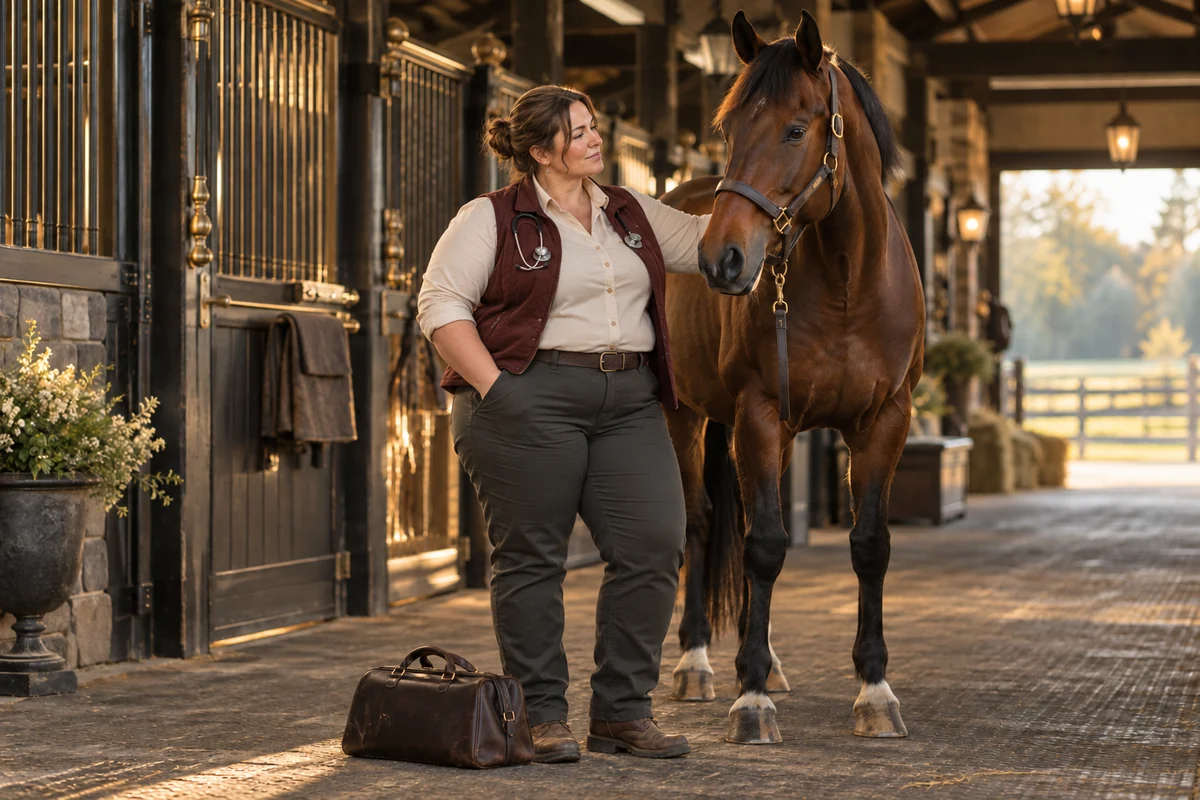
The book’s description identifies Curves on the Range as a curvy-heroine mafia cowboy romance. Dr. Serena Holt arrives at Spur Ranch expecting ninety days of large-animal veterinary work and financial breathing room. That gives the body-representation choice a concrete occupational setting rather than relying on the title alone.
The description does not show a complete body-image arc, the absence of derogatory comments, or how Serena feels about every part of her appearance. If those details matter, ask separately. The useful confirmed starting point is a curvy veterinarian entering a working Wyoming ranch with a defined contract and professional purpose.
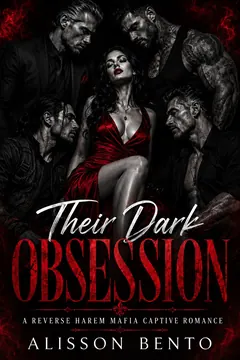
From Alisson Bento’s books
A mafia romance about a captive bargain that turns into the only place she wants to be.
Kindle edition · Check Kindle Unlimited availability on Amazon.
Belonging can begin with a demand for professional recognition
Serena insists on being addressed as a doctor and concentrates on animals whose needs she understands. Owner Cade Spur answers selectively, while Roman’s attention remains unexplained. Excellent horses and equipment sit beside excessive security, making the property both a place to practice her skill and a place she cannot easily read.
Choose this opening if you want competence and guarded attraction beside rural secrecy. Her insistence on a title shows the kind of respect she expects. It does not prove she feels insecure about her body or that a romantic partner must supply her confidence; those would be additional claims the opening does not support.
The rural setting can test access as well as acceptance
A locked gate, cameras, and an unusual confidentiality agreement create different tensions from small-town gossip or an outsider’s unfamiliarity with chores. In this premise, Serena’s question concerns which rules belong to veterinary work and which belong to the men controlling the ranch. That makes belonging a question of trust and information.
Separate representation from a particular body-image story
An explicitly curvy heroine can be confident, uncertain, matter-of-fact, or emotionally mixed about her appearance. Representation does not require one predictable arc. Some readers want a body-positive romantic fantasy with little discussion of insecurity. Others want that experience examined with more emotional detail. State which scenes you want, rather than assuming a curvy label confirms a transformation from self-doubt to confidence.
Curves on the Range provides explicit representation through its description, alongside a veterinary profession and a Wyoming assignment. That is enough to identify a curvy working heroine in a rural mafia crossover. It is not enough to show whether body image is a central conflict, how often appearance is described, or whether particular comments occur later. The opening’s value lies in the specificity of the woman and the task, not in an unconfirmed promise about every aspect of representation.
A title or cover can suggest representation while leaving the textual details uncertain. A description that explicitly identifies a curvy heroine provides firmer support for that initial requirement. If you want additional specificity, such as a particular self-description or a story where body size is discussed directly, ask for it separately. Readers’ interpretations of visual art and descriptive terms can differ, so your firm preference needs an identifiable basis.
Keep body representation separate from age, health, or personality too. A curvy description does not confirm any of those facts. Nor does assertiveness prove that a heroine has no insecurity. Readers can enjoy confidence in one domain beside uncertainty in another. Serena’s insistence on her professional title shows what she expects in the workplace, while leaving her complete private relationship with her body unconfirmed by the opening.
Read rural belonging through the task she came to perform
A rural setting can welcome a heroine through her work rather than ask her to earn acceptance through a new appearance or lifestyle. Serena arrives expecting ninety days of large-animal veterinary care and financial breathing room from a valuable contract. The assignment gives her an immediate purpose. Readers who enjoy occupational grounding can ask for a heroine whose contribution is needed, whether or not she is familiar with every part of ranch life.
The excellent horses and equipment make part of Spur Ranch recognizable as a professional environment. Unusual security makes another part difficult to interpret. This combination lets expertise and uncertainty coexist. Serena can understand the animals while not knowing why cameras, a locked gate, and guarded explanations accompany the job. Her status as a newcomer therefore does not make her generally incapable. The opening gives her a focused domain of knowledge beside a different domain of secrecy.
Professional recognition can be part of belonging without standing in for romantic approval. Being addressed as a doctor concerns how others acknowledge her work. Being desired concerns another kind of attention. Readers who want both can ask whether the story keeps the distinction visible. A heroine can welcome attraction while still insisting that her judgment be taken seriously, and a respectful workplace interaction need not explain every feeling she has about the romantic lead.
The rural setting here is also a criminal crossover. Cade’s selective answers and Roman’s unexplained attention place the veterinary assignment beside mafia secrecy. If you want an ordinary working ranch with a curvy heroine, confirm that narrower setting rather than treating this example as free of criminal conflict. If you enjoy competence amid guarded danger, the opening provides that specific combination. Representation and genre tone should be selected independently.
Choose how much appearance you want the romance to discuss
Readers differ over whether body size should be celebrated repeatedly, mentioned naturally, or remain mostly incidental to the conflict. These preferences can all include positive representation. A heroine’s body may be visible in physical description without organizing every conversation. Another story may make desire and self-perception major emotional threads. Ask about the amount and tone of attention rather than only whether the heroine is curvy.
Compliments can produce different reading effects. Some readers enjoy abundant explicit affirmation; others prefer attraction expressed through attention to the whole person. A story can include both, but a representation label cannot settle the balance. If your favorite scenes show a partner interested in the heroine’s knowledge, humor, or plans as well as appearance, say that. This makes the request about the relationship texture you want to spend time reading.
Negative body comments need their own confirmation if they are a firm boundary. The absence of such comments from an opening description does not confirm their absence from the whole book. You can ask a finished reader for a concise note without requesting the ending or intimate details. Keep that answer distinct from confirmation of a curvy heroine. A book can satisfy the representation criterion while remaining unconfirmed for a particular content preference.
Likewise, body confidence may be stable or changing. You might want a heroine who already feels at ease, one whose feelings vary across situations, or a story where self-perception is openly examined. None of these is shown by Serena’s title or profession. The opening gives a concrete professional identity and expectations about respect. If a body-image arc determines your choice, ask for its general role rather than infer it from her capable arrival.
Distinguish practical access from social acceptance
Belonging can concern whether people welcome the heroine, whether she can do her work, or whether she understands the property’s rules. These are separate problems. A friendly household could still restrict needed information; a guarded owner might provide excellent equipment while answering questions selectively. Readers interested in a working heroine may want practical access to matter as much as being liked. Ask what prevents her from completing the task she came to do.
Serena’s unusual confidentiality agreement points toward this kind of uncertainty. The description suggests that it covers more than ordinary ranch business, while the gate and cameras give guarded explanations a visible setting. The opening does not reveal every hidden operation. Its usefulness lies in making the professional environment partly legible and partly withheld. A reader can be curious about how she navigates that difference without assuming it is a body-based rejection.
Do not attribute every obstacle a curvy heroine faces to appearance. A character can encounter secrecy, unfamiliar authority, or a contested professional role for reasons established by the premise. If the story makes body prejudice part of the conflict, that needs support from the text itself. Serena’s opening emphasizes security and selective information. Reading it accurately preserves the possibility of a curvy heroine whose central challenge is not a lesson about her body.
A city-and-country contrast may create another form of belonging, but it should not be assumed here either. A professional arriving for work is not automatically a city girl unable to understand rural tasks. Readers who want that particular contrast can ask about background and adaptation. Readers who prefer established expertise can request a heroine who enters with relevant knowledge. The occupational setting gives you a way to make that preference specific.
Look for continuity beyond the first arrival
A ninety-day contract creates a professional horizon before the romance develops. It gives the heroine an expected task and duration, while financial breathing room explains why the opportunity matters. Readers who enjoy temporary work in a rural setting can ask whether the contract remains consequential as feelings grow. The opening sets up the arrangement, but not the final work or residential decision. Keeping that distinction prevents a professional premise from turning into an unsupported outcome claim.
Continuity can be visible in small scenes: the heroine keeps asking useful questions, responds to animal needs, or weighs a choice against her original aim. These are general examples of what to look for, not later actions confirmed in the named book. If you want work to remain central, ask a finished reader about its continuing role. If you primarily want rural intimacy, you may welcome more time away from the assignment after the opening.
The guide to city-and-country romance considers how both lives can matter. For curvy-heroine cowboy romance, add explicit representation and your preferred treatment of body image, then identify the heroine’s practical place in the rural setting. That combination gives a recommender more guidance than wanting a woman who learns to belong through a cowboy’s admiration.
A spoiler-light request can separate three questions: whether representation is explicit, what the heroine wants from the job or place, and whether the body-related content meets your preference. Serena’s description answers the first two with a curvy veterinarian and a defined ranch contract, while leaving a full confidence arc and comment boundaries unconfirmed. Choose those supported features on their merits, then ask for the missing details that would make the book a confirmed match for you.
Representation can be satisfying without making belonging a reward for changing the heroine. If you want her existing expertise, body, and aims treated as parts of the person who arrives, request that starting texture. A rural romance can then explore unfamiliar relationships and rules while leaving appearance as explicit representation rather than an assumed problem to solve.
For your next recommendation request, separate the wishes: “an explicitly curvy heroine, meaningful professional goals, and a rural setting where her judgment matters.” Then add any body-comment boundaries you need confirmed. Serena’s opening supports representation, a veterinary contract, and suspicious ranch security; it offers a precise place to begin without promising a particular confidence transformation or the absence of hurtful material.
Read another angle: Cowboy protector romance: ranch skill and an active threat · Secret-baby cowboy romance: reunion with an existing family · City-girl, country-boy romance: two places, two lives that matter
Explore the wider romance catalogue. The catalogue groups books by genre and trope; it does not confirm every preference discussed in this guide.