Forced-proximity vampire romance becomes more specific when you identify why the adults cannot simply separate. An enclosed building, a dangerous journey, and a supernatural bond impose different constraints. Choose whether you want practical cooperation, unwanted emotional access, or domestic routines complicated by a vampire’s needs.
A shared emergency can force cooperation before trust
The Vampire’s Forgotten Key opens as ruin-diver Zerya Pendelton uses a holding rune to save her partner Merritt during the collapse of the Glass Basilica. The spell also draws vampire cartographer Cyprian Althoff into the ruin. Blocked exits and volcanic fractures call for another escape route before the structure buries them.
That is a concrete form of forced proximity: an active physical emergency places an experienced explorer beside someone unexpectedly drawn into it. Readers wanting exploration and dangerous terrain can identify the opening’s appeal without assuming a locked bedroom or a captor arrangement. The immediate obstacle is the collapsing monument.
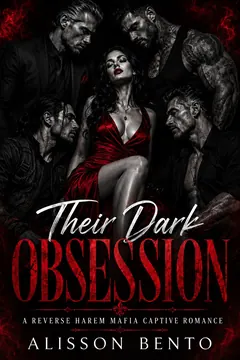
From Alisson Bento’s books
A mafia romance about a captive bargain that turns into the only place she wants to be.
Kindle edition · Check Kindle Unlimited availability on Amazon.
A magical connection changes the privacy question
The rune takes a sensory memory as payment. Zerya remembers standing in rain but loses its smell. Matching marks also let her and Cyprian feel each other’s bodies and give her glimpses of his past. The description makes these supernatural constraints explicit, with a cost beyond merely spending time in the same place.
Shared sensation is not the same as deliberately telling someone a memory. That distinction can make the closeness alluring, uncomfortable, or both. The opening shows the marks’ effects; it does not show every rule of feeding, daylight, or immortality. Those features vary across vampire worlds and should not be imported into this one from familiar folklore.
Name both constraints when a place and a bond overlap
Forced proximity can come from a physical situation, a supernatural connection, or both. An enclosed ruin prevents ordinary separation by blocking exits. A mark that shares sensations changes privacy even if a door opens. If you enjoy that double pressure, ask for both mechanisms to matter. Removing one obstacle need not automatically remove the other.
Zerya’s opening in The Vampire’s Forgotten Key offers exactly that distinction. The Glass Basilica is collapsing, volcanic fractures threaten the route, and matching marks connect her with Cyprian. The immediate practical question is how to leave the structure. The supernatural question concerns what the marks expose and why the connection carries significance. Neither should be reduced to a generic excuse for sharing a room.
A shared emergency also gives proximity a particular pace. The adults may have to act before they can discuss personal boundaries or motives. Readers who enjoy compressed cooperation may welcome that urgency. Readers seeking the slower pleasure of negotiated domestic routines should ask whether the story later provides those scenes instead of assuming they follow from any forced-proximity category.
The description identifies Cyprian as a vampire cartographer and Zerya as an experienced ruin-diver. Those roles create a promising intersection of expertise in place and routes, but the description does not catalogue every later contribution. A recommendation can name the professions and the collapsing setting while leaving the actual escape and future collaboration undisclosed.
Read the rescue’s cost separately from the connection it creates
Zerya casts the holding rune to save Merritt. The purpose precedes the unexpected connection to Cyprian, which makes the magic’s additional effect consequential. A rescue act can be intended and still produce an outcome the caster did not plan. If you enjoy costly magic, ask whether unintended effects follow a rule rather than appearing only when the romance needs another obstacle.
The memory price is specific: Zerya remembers standing in rain but loses its smell. This differs from forgetting the whole event or losing every sensation connected to it. The precise distinction gives the cost emotional texture. Readers can understand that a recognizable memory remains while part of its experience is missing, without stretching the effect into an unconfirmed loss of identity.
Cost and enforcement need not be the same mechanism. The rune’s payment concerns what Zerya loses; the marks concern what she and Cyprian share; the ruin concerns immediate movement. These constraints overlap in the opening but ask different questions. If you enjoy a legible magical system, request that those consequences remain distinguishable.
A reader may be drawn most strongly to the sacrifice, the bond, or the expedition. Name which matters. “Memory-priced rescue magic” offers a different selection hook from “unwanted shared sensation” or “escape from a collapsing monument.” A good recommendation can identify the opening feature without claiming that the later novel develops every aspect in equal proportion.
Distinguish shared sensation from chosen disclosure
A bond can expose something before an adult decides to reveal it. That creates intimacy of access without automatically creating emotional confidence. The person receiving a sensation may know what is happening in a body while not understanding its meaning. Readers who enjoy uneasy closeness may find that gap compelling; readers who prefer privacy may want limits to the bond checked.
As described, the marks let Zerya and Cyprian feel each other’s bodies and give Zerya glimpses of his past. The description does not show that every thought is shared or that access is perfectly reciprocal in all respects. A recommendation should retain the specific effects described. Expanding a glimpse into complete knowledge would change the relationship experience the reader expects.
Interpretation remains important even when sensation is automatic. A bodily reaction could have several causes, and a fragment of memory might lack context. A romance can build chosen understanding through conversation after involuntary exposure. If you enjoy that process, ask whether the adults explain what the bond reveals instead of treating magical access as a substitute for getting to know one another.
You may prefer the bond to make attraction obvious early while trust develops slowly. You may prefer uncertainty about whether a sensation belongs to desire, danger, or the magic itself. Those structures create different kinds of anticipation. Ask about the emotional effect of shared sensation rather than only whether a supernatural bond exists.
Look for cooperation that uses both adults’ knowledge
An emergency can create closeness through decisions rather than confession. One adult identifies a route, the other notices a hazard, and both revise the plan when the structure changes. Readers who enjoy competence may want that practical exchange to occupy substantial page space. The relationship can begin to move because the adults learn how each responds under pressure.
Professional skill does not eliminate uncertainty. An experienced explorer may face unfamiliar magic; a cartographer may understand geography while lacking current information about a collapsing building. A compelling partnership can distribute knowledge without making either person omniscient. Ask whether assistance complements expertise instead of repeatedly replacing it.
Zerya’s rescue of Merritt gives her an established purpose before Cyprian arrives. That matters to the opening’s balance: the connection is an additional consequence of a decision she made for another reason. Readers who prefer a heroine with an existing task can follow how the unexpected bond intersects with that purpose rather than assume attraction was the motive for the spell.
Cooperation can remain necessary without becoming comfortable. The adults may accept a route while questioning one another’s explanations. They may recognize useful skill before wanting continued contact. If that gradual movement appeals, ask for trust to develop through repeated actions. A successful escape attempt, if one occurs later, would still need its own confirmation before a recommendation could treat it as fact.
Check the rules that shape ordinary proximity
Vampire fiction varies in how feeding, daylight, sleep, and movement operate. Those rules can affect routine life if the adults remain together beyond an emergency. Ask which constraints the story actually sets up. Do not assume a familiar folklore rule is active simply because one character is an immortal.
The opening here confirms memory-priced magic and shared marks, not a feeding arrangement or daylight limit. If domestic negotiation around vampire needs is your main interest, request it separately. You can still choose this expedition opening for its immediate physical and supernatural pressure while keeping later routines unconfirmed.
A quieter forced-proximity story might build intimacy through who rests where, how work continues, or what privacy is possible. An expedition story might keep routes and physical hazards central. These are different reading pleasures, not stages every novel must follow. Ask whether the setting stays active or gives way to a more domestic arrangement if that shift matters to you.
The related guide to types of forced proximity separates the reasons adults remain close. Here, add the supernatural privacy question. Sharing a place and sharing sensation are distinct constraints, and a vampire romance can use one without automatically promising the other.
Choose the uncertainty you want after the emergency
An imposed connection can create a question about duration: does it last for a crisis, a task, or an unspecified period? The opening does not settle that for Zerya and Cyprian. If a defined endpoint matters to your reading, ask whether the adults learn one, while avoiding a request for the exact method of ending the bond.
Another question concerns control. Can the adults reduce exposure, communicate through the marks, or choose when to share? Those are separate possible features, each requiring confirmation. A reader who likes automatic intimacy may welcome little control; a reader who likes negotiated closeness may want the story to explore limits. State the preference rather than assuming the bond is either comforting or wholly intrusive.
A precise request is “vampire forced proximity during an expedition, where a shared emergency and costly magic create different constraints.” Add whether you want unwanted sensory access, complementary professional knowledge, or later domestic routines. The ruin-diver and cartographer opening provides a confirmed starting point for the first features without certifying the future arrangement.
When sampling, follow the order of consequences. Zerya acts to save a partner, pays a sensory price, encounters an unexpected connection, and faces a blocked route. That sequence gives the proximity purpose and cost. Choose it if you enjoy a romance beginning inside practical danger, with understanding of the bond still to come.
The emotional aftermath can interest you even when you do not yet know it occurs. Ask a reader whether the adults have space to interpret what happened after immediate action slows. That question identifies the balance you want between survival scenes and chosen conversation. It protects the suspense while clarifying whether the story gives involuntary closeness time to become something the characters can discuss.
The price paid by the rescuer can alter how a shared emergency feels afterward. Losing the smell within a remembered experience is not the same as a temporary injury or a broken tool. Readers drawn to magic with an intimate cost may want the story to keep that loss meaningful. Ask whether the cost remains part of the heroine’s experience, rather than assuming that surviving the immediate structure would undo what the rune took.
You may also want maps and terrain to receive enough attention that routes feel like choices. A collapsing monument supplies urgency, while a cartographer’s profession invites interest in spatial understanding. The opening names that combination without proving the full escape sequence. A recommender can describe whether exploration stays central, protecting the plot’s answer while clarifying the scenes you would spend time reading.
Cooperation can begin with the next necessary decision
Some forced-proximity stories build trust through meals, sleep schedules, and respect for private space. In an escape opening, the first useful decisions may instead concern routes, unstable ground, and how each person’s expertise helps them survive. Both can produce intimacy, but they deliver different kinds of scenes.
If you want negotiated domestic life with a vampire, request that setting directly. If you enjoy unexpected binding during an expedition, Zerya’s costly rune offers a strong starting hook. Ask whether the bond continues beyond the emergency and what control the adults have over its effects if that matters to your choice. The opening cannot answer the entire future arrangement, but it does tell you why physical proximity and supernatural exposure begin together: rescue magic creates another connection while the building removes the easy way out.
Read another angle: Vampire romantic suspense: choosing the mystery beside the monster · Slow-burn vampire romance: long life does not mean quick trust · Forced proximity romance types: choose your kind of closeness
Explore the wider romance catalogue. The catalogue groups books by genre and trope; it does not confirm every preference discussed in this guide.