
For a rockstar why-choose romance with a working musician heroine, start with what she brings to the band before considering its fame. In Alisson Bento’s Rocked by Three, Lyra auditions for Overdrive Noise with a century-old violin and a classical education. The opening presents craft, financial urgency, and conflicting musical judgments inside a three-member band premise.
How the heroine enters the band world changes the kind of romance you are choosing. A fan may begin with familiarity with a public image, whereas a working musician arrives with something to offer and an opportunity to weigh up. Lyra’s opening belongs to the second group: she walks into a room that will judge her playing carrying an instrument, training, and an urgent need for paid work.
The book’s description sets up the audition and a reverse-harem rockstar premise. It does not tell you about a touring itinerary, the band’s later hiring decision, or how the relationships develop. This reading path stays with that one creative encounter rather than assuming that fame guarantees every familiar rockstar scene.
The audition comes with a financial deadline
Lyra turns up at a Miami soundstage with one month of rent left. Her training has given her skill without paying her bills, so the audition is practical work as well as creative possibility. That detail changes how a reader can understand her need to make an impression. The room holds people who may decide whether her ability becomes employment.
She opens with Bach, and the soundstage’s unforgiving acoustics expose every note. Tour manager Marisol Vega keeps an eye on the clock while three band members assess her. Pick this opening if you enjoy expertise on display under pressure. Lyra has to play, be heard, and make her case in the limited time she has.
One month of rent is a concrete time limit. It shows you why the audition matters beyond pride or curiosity about famous performers. Lyra’s classical education has not paid the bills, so skill and financial security are already separate before anyone in the room comments on her. That can appeal to readers who enjoy craft under material pressure.
The violin makes her contribution visible: it is something she carries and can demonstrate. The description confirms that the violin is a century old, but it does not explain the instrument’s full history or show that it is a family heirloom. Readers can appreciate the contrast between an old instrument and the band opportunity without inventing a sentimental backstory.
The soundstage’s acoustics also set an immediate condition for the performance. Every note is exposed, which makes the opening more precise than simply telling us she is talented. Readers who like audition scenes can follow what it feels like to do skilled work in a space that allows little hiding. The room itself shapes how that work is received.
Marisol’s attention to the clock brings in a different kind of evaluation from musical judgment. Some time remains, and Lyra has to use it. The book’s description names the tour manager as someone watching, rather than laying out a complete decision-making hierarchy. You can read the practical pressure of the audition without assuming who holds final authority over every later contract or tour.
An audition mixes demonstration with interpretation. Lyra can perform a difficult piece, but the listeners also judge what that ability would mean for their music. Readers may enjoy that gap, since it stops virtuosity from settling everything at once. Being good at something and being judged right for a particular collaboration are different questions.
Decide whether you want the audition’s uncertainty to keep mattering. Some readers want a job opening mainly as a way to bring the adults together. Others want rehearsal, creative negotiation, or questions of earning a living to stay important. The description gives you the first encounter; a reader of the full book can describe the continuing balance without revealing the audition’s final result.
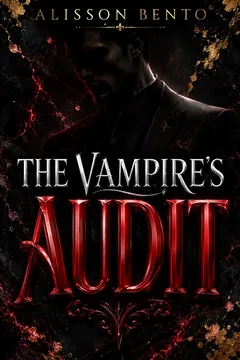
From Alisson Bento’s books
A vampire romance about a slow burn that makes every touch count.
Kindle edition · Check Kindle Unlimited availability on Amazon.
Musical disagreement gives the friction real substance
Frontman Jax Reyes meets her precision with contempt. Lyra answers through her playing. The exchange is more specific than a performer simply looking at a famous man across a room: their conflict is about the value of her craft and whether it belongs in the band’s music.
Fitting into Overdrive Noise’s groove asks for something different from playing a difficult classical piece. Her discipline meets their rhythm, and her judgment meets Jax’s pride. That makes the opening useful for readers who want attraction and creative disagreement to have room beside each other. Skill does not end the conflict; it gives the characters a worthwhile thing to disagree over.
Opening with Bach puts Lyra’s training into the scene itself, rather than leaving it as a credential mentioned in passing. Jax’s contempt is aimed at the precision she shows. The conflict therefore turns on something a reader can picture being judged: a way of playing and a question about its worth. If you like professional rivals or artistic friction, that specificity matters.
Her reply through playing is another distinctive feature. She does not answer with only a clever line; she uses the tools of her craft. A reader can enjoy skill as a form of argument. The description shows that response without describing every musical phrase or proving how Jax later revises his judgment.
Adjusting to a groove raises a different question from playing the original piece. The opening treats collaboration as a matter of responsiveness as well as technical accomplishment. That can appeal to readers who want a heroine whose expertise is real but still tested in a new creative setting. The test gives her something to do beyond defending a title.
This is a comparison within one particular scene, not a general claim that classical players and rock musicians always work differently. The description sets Lyra’s discipline against the band’s rhythm and her judgment against Jax’s pride. Read that contrast as the book’s chosen source of friction, rather than reading in a universal hierarchy of musical skill.
Readers may enjoy the difference between asking “Can she play?” and “Can they make something together?” The first can be shown by one person alone; the second depends on how people respond to each other. If collaborative chemistry is part of the appeal, ask whether the novel gives the group creative work to share after the first encounter.
Also decide how abrasive you want the beginning to be. Contempt cuts deeper than neutral skepticism or friendly competition. Some readers enjoy a harsh first assessment; others want professional respect to be set up sooner. A sample lets you test that tone directly, without assuming that a later romance will automatically change how the first exchange feels to you.
Separate creative chemistry from romantic chemistry
People can make interesting music together before they understand each other personally. They can also be attracted while disagreeing about work. A music-centered romance can draw on both differences. The useful question is whether you want creative contact to spark attraction, complicate it, or run alongside it as a separate tension.
The audition gives Lyra and the band a reason to pay close attention to her contribution. Listening is already part of the task. Readers might enjoy watching that professional attention take on a personal charge, but the opening does not confirm when that change happens. Ask how the story handles the transition, rather than assuming that every performance judgment is romantic interest.
A group collaboration can also be balanced in several ways. You may want each person to bring a different creative priority, or prefer scenes where the band responds as a unit. The description confirms three assessing members and singles out Jax’s contempt. It does not support giving the other two invented musical specialties or personality types.
A reverse-harem framework offers a broad relationship premise, not a fixed sequence of connections. If distinct one-to-one developments matter to you, ask whether each potential partner gets substantial attention. If you prefer ensemble scenes, ask how much shared interaction appears. Neither pattern is proven by the number of people present at an audition.
Choose the work behind the public image
A rockstar romance can focus on performance, publicity, everyday creative labor, or access to a famous person’s private life. Lyra’s opening concentrates on auditioning and defending craft. That is a useful way to narrow your mood if you care more about musicians doing the work than about a fan moving into celebrity proximity.
The practical opportunity also changes how disagreement feels. Lyra cannot treat the room only as an intellectual debate about musical value when rent is running out. A reader may enjoy that pressure because it gives a reply, spoken or played, a cost. The description does not tell us the exact terms of later employment, so the confirmed stake remains the opportunity itself.
You may want fame to create further complications, or be content with the band as the creative setting. Ask about the amount of publicity and audience attention if those features shape your enjoyment. The rockstar label alone does not show paparazzi scenes, a scandal, or a secret tour relationship. The audition is the concrete scene on offer here.
A working musician heroine can also keep interests outside the band. You may want her craft to stay hers even as she adapts to collaboration. Ask whether her musical judgment still matters once attraction grows. That keeps the focus on the feature the opening introduces, rather than asking for a generic promise that she is a strong character.
Decide how much musical detail you want
Some readers like precise description of what a performer changes and how the sound responds. Others prefer a few clear details and more attention to the people listening. Both approaches can make an audition gripping. A sample can show whether the language gives you enough orientation to feel the conflict without demanding expertise you do not bring to the book.
Listen for whether the technical detail has a consequence. A named piece, an exposed note, or an adjustment to the band’s groove matters when it changes how the room responds. If terms pile up without affecting the interaction, you may feel further from the scene. Your preference is about understandable musical action, not the largest amount of specialist vocabulary.
Repetition can also become a pleasure to read when the work changes. Another attempt at a phrase may reveal a new willingness to listen, or a stubborn disagreement about direction. If you enjoy those small shifts, ask for the creative process on the page. If you prefer a faster external plot, ask whether the musical work stays brief.
The description of Rocked by Three offers a clear first test of those preferences: skill is shown, judged, challenged, and adjusted under time and money pressure. That mix can make the scene compelling even before you know how the band and heroine will relate later. It is the particular work situation, not only the fame, that creates the opening’s tension.
Make your request for a band romance specific
For a recommendation, try: “Rockstar why-choose romance with a heroine who enters as a working musician, substantial creative disagreement, and individual band-member responses. I enjoy an audition that has real financial stakes. Please describe how much musical collaboration appears without revealing the employment or relationship outcome.” Adjust the level of confrontation you want if a harsh opening is a concern.
Ask separately about content and final relationship preferences. A three-member band premise does not confirm every configuration among the adults, or a heat rating. The catalogue description supports Lyra’s craft and the reverse-harem framework. Other conditions need their own information, rather than being inferred from the instruments or the public image.
Read another angle: Firefighter romance: practical care, family life, and time away from duty · Heist romance: a plan, a partner, and what the theft changes · Celebrity romance and privacy: who controls the public love story?
Explore the wider romance catalogue. The catalogue groups books by genre and trope; it does not confirm every preference discussed in this guide.