Mafia romance is one of the most visible labels in romance, and many readers meet it on a shelf or in a store listing before they know what it covers. The answer matters, because the subgenre is built on criminal families, codes of loyalty and power imbalances that can feel unfamiliar, and several of its familiar premises involve captivity or a marriage the heroine did not choose. This guide explains the families, the common tropes and the content notes to check before you pick your first book.
What the label covers
Mafia romance is a romance subgenre in which at least one central character belongs to, or is bound up with, a criminal family or organisation. The label is applied to many different books. Some are set in a world of families and rackets inspired by Italian-American crime fiction, others in Bratva settings with Russian criminal networks, and others in invented cities with their own syndicates. What they share is a structure in which loyalty, debt and obligation shape the romance from the first chapter.
Because the term is broad, it helps to ask three questions of any book: who holds the power, who owes what to whom, and how the heroine enters the criminal world. The answers reveal the story’s focus. A book in which the heroine is pulled in by a debt reads very differently from one in which she marries into a family or is hired by a boss. These are the elements that decide what kind of romance you are getting, and they are usually visible in the blurb.
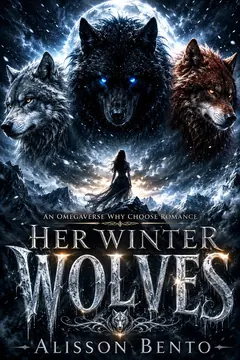
From Alisson Bento’s books
A shifter romance about one heroine, more than one devoted hero, and no choosing.
Kindle edition · Check Kindle Unlimited availability on Amazon.
The families, their codes and why they matter
Codes are the engine of the genre. In fiction, a family may demand silence, respect for rank, or loyalty that outlasts the individual. Those codes create conflict because they often clash with what a heroine wants, and because they can be bent or broken by the hero himself. A reader who enjoys mafia romance is usually interested in what the codes cost, and who pays when they are enforced. Mafia romance and family loyalty: who gets to choose? looks closely at that question of family loyalty and who gets to choose.
Family ties are equally important. Many books frame the criminal organisation as a family in the emotional sense, with brothers, fathers and godfathers whose authority rests on personal loyalty as well as force. This allows the story to explore protection and possessiveness together. The same bond that keeps a heroine safe can also limit her freedom, and the best books make that tension visible rather than hiding it behind romance.
Codes also give the story its rhythm. A promise made in a family setting carries weight, a debt must be paid on schedule, and a betrayal can change the balance of an entire household. Once you understand which codes govern a particular family, the plot becomes easier to follow, and the romance begins to show where the characters are willing to bend their own rules.
Fiction, not a glamorised world
Real organised crime causes real harm to real communities, and romance fiction does not change that. When you read these books, treat the criminal world as an invented setting for a story rather than as a model to admire. The families in mafia romance are dramatic devices. They exist to create pressure, moral conflict and emotional stakes, and they are not a guide to how real people should live or behave.
Authors often make the consequences of violence and corruption part of the plot, and readers who notice that tend to get more from the genre. A story in which a character’s choices carry a cost, or in which the criminal world damages the people caught inside it, usually offers a richer read than one that treats danger as decoration. When a book glamorises a violent world without any reckoning, that is a fair reason to put it down.
Common tropes: arranged marriage, bodyguard and captive
Three tropes appear so often that they serve as a useful starting point for newcomers. The first is the arranged or convenience marriage, in which a woman is bound to a man for family or financial reasons and must learn to navigate his world. This trope lets the story build a relationship from a formal contract, and the early pages often focus on negotiation and boundaries rather than attraction.
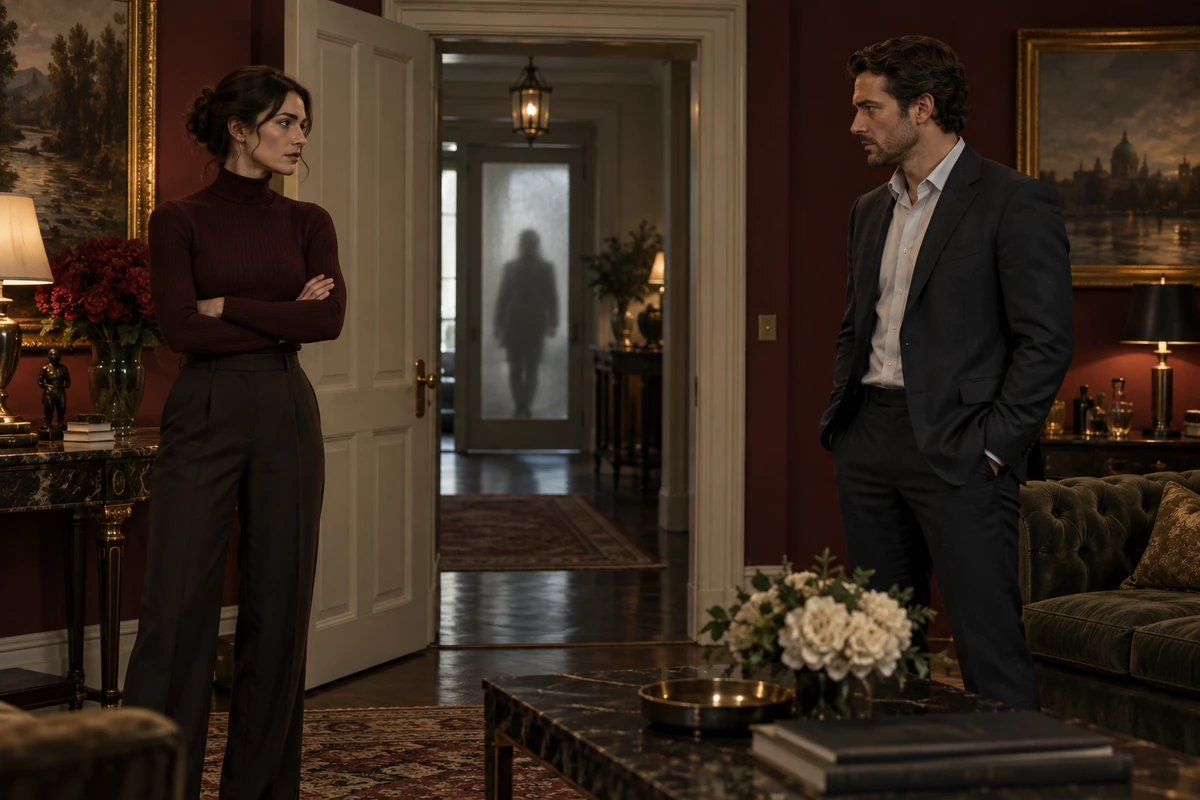
A good example is Possessing the Bride. Amara Costa arrives at a port to find her father and a civic broker preparing to settle a conflict with her marriage to Niccolo Varela. A dead crewman, a burned truck and an altered cargo manifest have pushed both families close to retaliation, and she brings a law degree and a certified record showing that someone manipulated the paperwork to provoke both sides. Rather than accepting the role of peace offering, she demands business independence, equal access to records and control over her personal boundaries. It is a standalone mafia marriage of convenience, and the negotiation is the heart of the opening.
The bodyguard and captive tropes work differently. A bodyguard story places the heroine close to a protective man whose job is to watch her, which can build intimacy and suspicion together. A captive story puts the heroine in a position of limited freedom, and it asks how she will protect her dignity and her plans. Both tropes are common in dark romance, and both call for clear content notes, because the power imbalance is often central to the story.
Hidden by the Boss shows how a captor-captive premise can begin with dangerous knowledge rather than force. Avery transcribes private accounts in a library basement, and her training in scribal habits makes a suspicious pattern hard to ignore. When she raises the pattern with Dr. Marsh, the commission ends abruptly, and the threat moves to her hours, her access and her scholarship. The book is a Bratva captor-captive romance, and it places an academically skilled heroine beside evidence she cannot simply unread.
The appeal: loyalty, power and the morally grey hero
Much of the appeal lies in the morally grey hero. He is dangerous, sometimes ruthless, and often in a position to protect the heroine from things she cannot fight alone. Readers who enjoy him usually want to see the line between protection and control, and to watch the heroine test it. That tension is central to the genre rather than a side effect of it, and it is one reason mafia romance attracts readers who like complicated power dynamics.
Loyalty is the second source of appeal. In a world where promises are binding and betrayal is costly, a character who keeps his word can feel more meaningful than any grand gesture. This is where the codes do their emotional work: a bond tested by family duty, criminal debt or rival factions can become the most important relationship in the book. For many readers, loyalty rather than violence is the emotional core of the story.
Who the heroine is and how she holds her own
Newcomers should know that the heroine’s role varies widely. Some heroines are pulled into the family by circumstance, others are professionals who bring skills the men need, and others enter with a plan of their own. Capable heroines tend to make the power dynamic more interesting, because the romance has to account for her decisions rather than only her vulnerability.
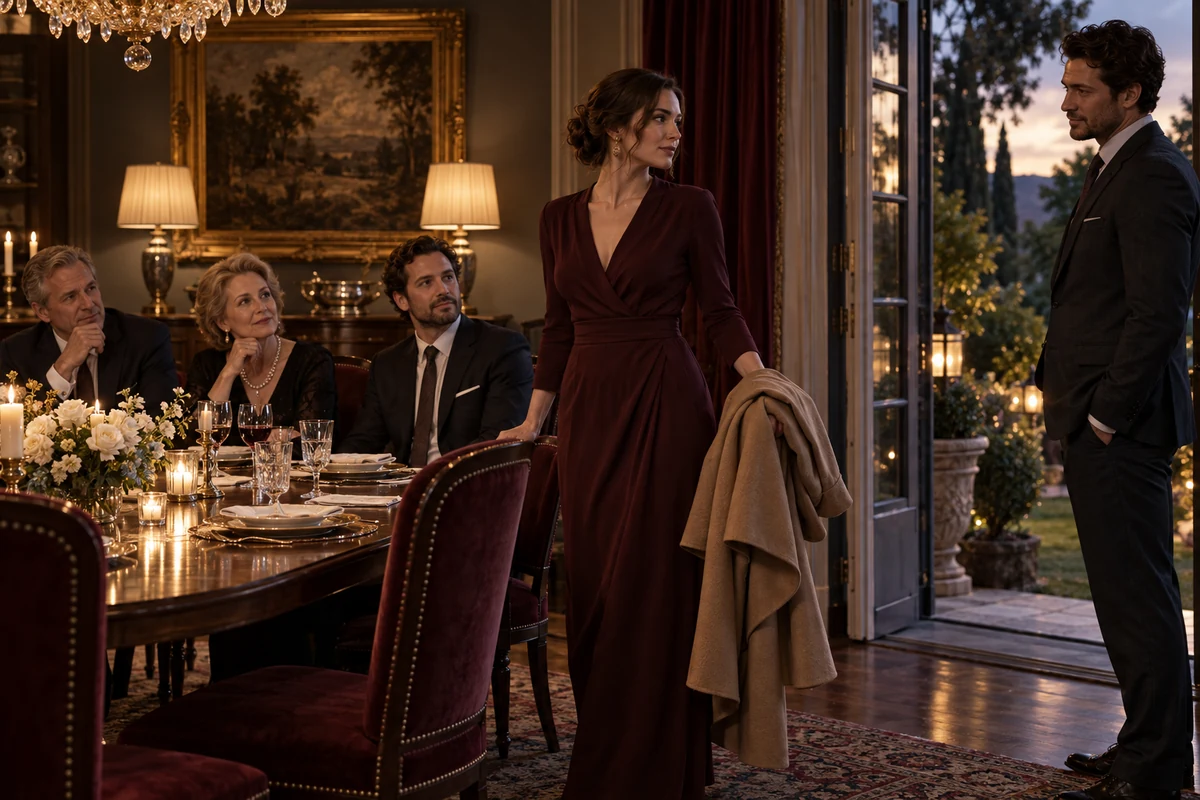
Claimed by the Surgeon Don shows that approach in a hospital setting. Elena Rossi begins work in a hospital’s paediatric intensive-care unit, and on her first shift she spots a trapped medication line before an alarm sounds. Her concise safety report reaches Nikolai Romanov, the chief of surgery, whose attention is already caught by the new nurse. A protective marriage proposal soon links her safety to his Bratva name. It is a standalone Russian mafia marriage-of-convenience romance, and the opening spends real time on her clinical work, so she has a professional identity before the hospital’s criminal connections make her workplace dangerous. For more on choosing a capable heroine, Choosing mafia romance with a capable heroine is a useful companion.
Content notes and what to check
Mafia romance often includes violence, coercion, captivity, possessive behaviour and power imbalances, and the level varies from book to book. Check content notes before you start, and pay attention to whether the danger is physical, financial or psychological. If you are unsure, read the blurb closely for words that signal captivity or forced marriage, then decide whether that premise suits your evening.
Consider also whether the book is a single-hero romance or part of a why-choose structure. Some mafia romances involve several love interests, which changes the power dynamic and the way the story resolves. Check the blurb for the number of men, and look for a note on group relationships if that matters to you.
It is also worth checking the ending you expect. Some mafia romances are written as standalones with a clear resolution, while others leave threads open for a series. Neither is wrong, but the difference affects how satisfied you will feel when you finish. A blurb that explains the setup without promising a particular outcome is usually the most honest guide.
A reading path for newcomers
If you are new to the subgenre, a deliberate first choice will make the rest of the genre easier to navigate. It helps to start with a story whose structure you can follow without effort, then widen your reading once you know which codes, tropes and tones you enjoy. A simple path looks like this:
- Start with a standalone that has one clear premise, such as an arranged marriage or a single debt.
- Choose a heroine whose skills or decisions are visible from the first chapter, so the power dynamic is easy to read.
- Read the content notes before you begin, and keep a note of the tropes that suit you.
- Move on to darker or more complicated premises once you know how the author handles captivity or coercion.
This approach avoids two common frustrations. The first is picking a book with a premise you find uncomfortable, which often happens when newcomers choose by cover alone. The second is starting in the middle of a long series, where the family history can be hard to follow. A focused first read gives you a reliable point of comparison for everything that comes after it.
It also helps to notice how a particular author writes the criminal world. Some books use the family as a backdrop, others make it the main subject, and some keep the romance and the criminal plot in close contact throughout. Knowing which approach you prefer will help you choose quickly the next time you browse a listing.
Quick answers
Is mafia romance the same as a Bratva romance?
Not exactly. Mafia romance is the broader label, and Bratva romance is one branch within it that uses Russian criminal organisations as the setting. Both share an emphasis on family loyalty, codes and power. Read the blurb to see which setting the book uses and how the criminal world is presented.
Do I need to read mafia romance books in order?
Many mafia romances are written as standalones, but some are linked by family or by a shared world. Check whether a book describes itself as standalone before you start. Reading a series in order can help you follow the family network, though a standalone can be enjoyed without that background.
What is the first thing a newcomer should check?
Check the content notes, then the premise. Find out whether the heroine is captured, married, hired or drawn in by a debt, and whether the power imbalance is central to the story. That single detail tells you more about the tone than any cover.