Readers browsing dark romance often meet three labels side by side: Bratva, mafia and cartel. The settings share a vocabulary of debts, territories and loyalty, so the labels are easy to blur, and a short comparison can help you decide which kind of story you actually want. Everything in this guide refers to fictional worlds invented for storytelling, not to any real community, nationality or criminal group.
Three labels, three fictional worlds
Bratva is a Russian word meaning brotherhood. In fiction it names organised criminal groups with their own codes, leaders and debts. The word pakhan, a term for a leader, often appears in these stories, and the books tend to centre on an inner circle where a few people decide everything that matters. Bratva stories often make hierarchy feel personal: a word from a leader can settle a dispute, and a debt can outlive the person who incurred it.
Mafia romance, in its usual fictional form, means an Italian-style crime family built around a don, the advisers who surround him and a strict code of loyalty. Decades of crime fiction and film have shaped these expectations, so readers often arrive with a clear picture of how a family’s business is supposed to work. The family is the institution, and marriage, inheritance and obligation are the tools that keep it together.
Cartel romance borrows from stories about drug trafficking: territory, a kingpin, shifting alliances and the constant threat of a rival who wants the same ground. Because real trafficking networks have caused enormous harm, fiction in this area needs particular care. The criminal enterprise is a dangerous and violent setting in any honest story, never a glamorous one, and a book that treats it as stylish is asking readers to overlook real suffering.
You’re on the list. Your free stories are waiting in the Reader Vault. Blood Oath at Midnight
Hierarchy and power: who gives the orders
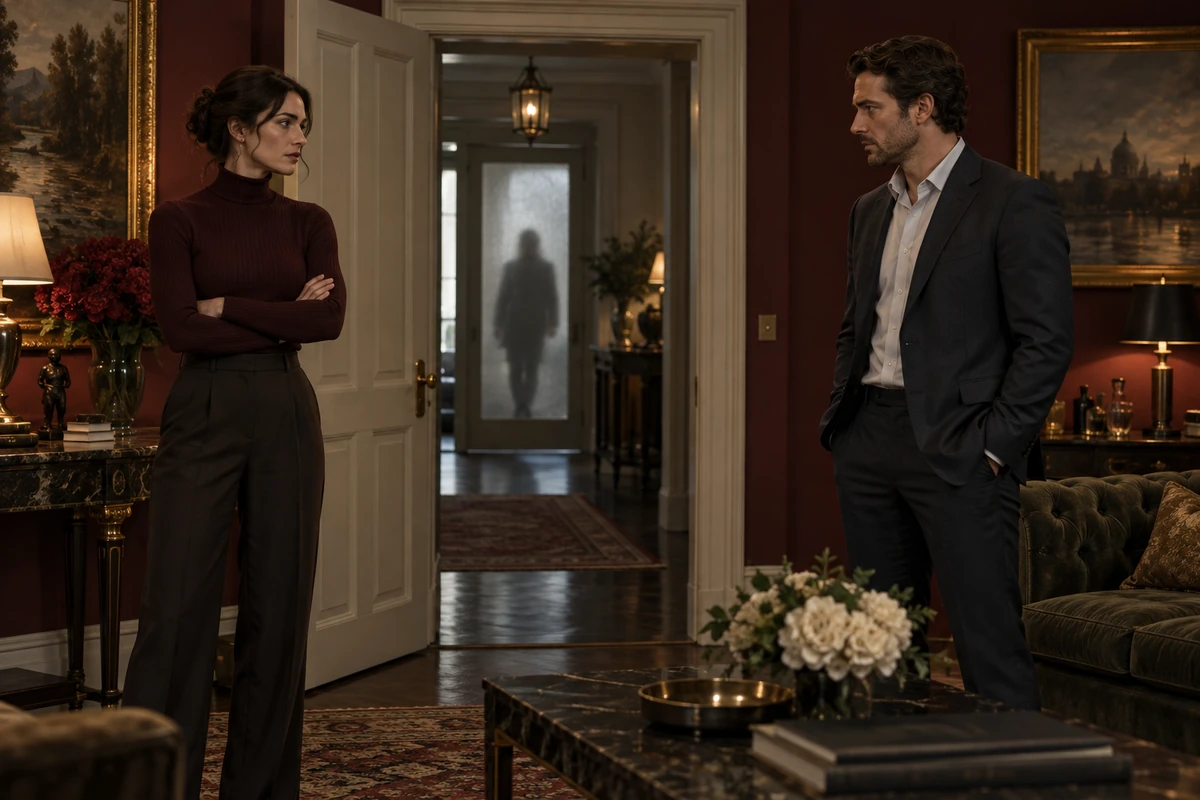
Each subgenre answers the question of authority differently. In Bratva stories, the leader’s authority is often personal, and debts can pass from one generation to the next. A debt is a useful hook because it turns a family’s past into a present obligation. In Stolen by the Bratva, a debt that began with a father’s borrowing has changed hands, and a summons arrives in an envelope left inside a locked studio without any damage to the lock. The power is felt before it is seen, and the heroine must decide how to respond.
Mafia stories place authority in a structure. The don sits at the top, and advisers, lieutenants and rival families fill out the map. The title of The Don’s Collateral signals that structure at once. Its opening shows how a father’s gambling debt becomes a claim on his daughter, and the heroine recognises that the supposed contract is a criminal excuse rather than lawful authority. The hierarchy gives the danger a shape, and the heroine’s resistance has to work within that shape.
Cartel stories often centre on a leader or a pair of leaders with competing interests, and the power is spread across territory and information rather than a single family tree. Her Three Dons is labelled a dark cartel reverse harem, and its premise combines a syndicate daughter planning her escape, a murdered identity broker and a missing drive that holds offshore accounts. A reverse harem format places the heroine at the centre of several relationships, so the power balance is less about a single boss and more about who can be trusted when the information changes hands.
Family structure and the meaning of loyalty
The three subgenres handle loyalty in distinct ways. In Bratva settings, loyalty can be built around a brotherhood, a debt and a leader’s word. In mafia settings, the family is an institution, and loyalty to it can outweigh personal wishes. In cartel stories, loyalty is more often transactional, shaped by territory and the constant risk of betrayal. These are conventions of genre fiction rather than descriptions of how real people live or how real organisations operate.
The more useful question is whether a book treats family as an emotional anchor or as a source of pressure. Mafia romance often sits closest to the question of who gets to choose, which is explored in Mafia romance and family loyalty: who gets to choose?. If that question matters to you, look for a heroine whose options are real and whose decisions carry the story, rather than a family whose rules simply remove her choices.
Language, setting and avoiding stereotypes
A subgenre name can lead readers to assume that a book reflects a real nationality, language or community. It does not. Dark romance is fiction, and its characters are shaped by the author’s decisions. A Russian word in a Bratva story signals a setting, not a description of a people. An Italian-style surname in a mafia story does not make a criminal family representative of anyone. Cartel stories invite the same mistake, and the temptation to make broad claims about a country or a region should be resisted.
Read these books as invented worlds. If a story leans on national stereotypes or uses ethnicity as a shortcut for villainy, that is a reason to look elsewhere. Good authors give their characters individual motives and treat the criminal enterprise as the problem, not the people who happen to share a background with it. Pay attention to how a book uses its foreign words, names and customs: are they textured details that serve the characters, or background decoration that flattens everyone who shares them?
Tone, captivity and the overlaps between subgenres
All three labels can share dark themes such as captivity, debt, betrayal and possessive heroes. The overlap is why a label alone rarely tells you how intense a book will be. A Bratva story can be a debt-driven romance with a restrained tone, and a mafia story can be a dark captivity plot from its first chapter. The Don’s Collateral describes itself as a dark romance of obsession and captivity, and its opening shows a daughter facing a collection enforced through abduction. That is a very different experience from a story in which the danger is mostly a rivalry between families.
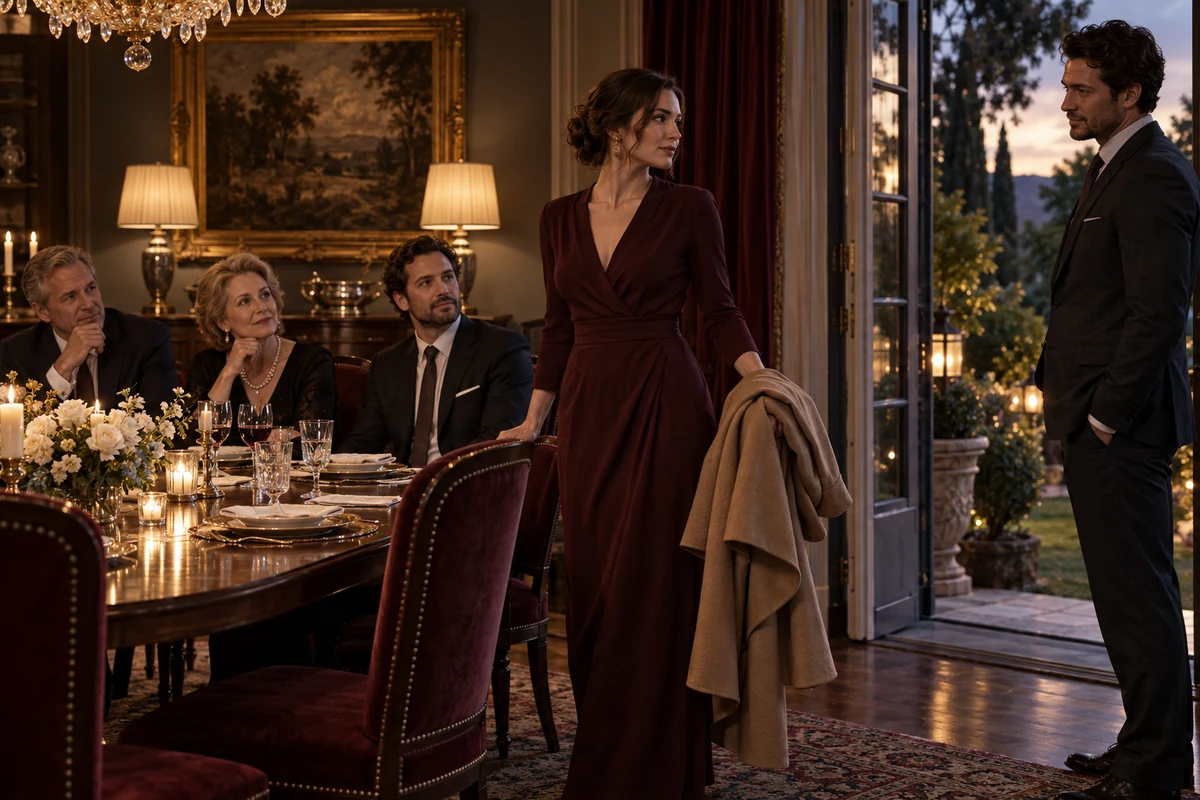
A heroine’s preparation can be as telling as any confrontation. In Stolen by the Bratva, the heroine, a fashion worker in St. Petersburg, has been paying a debt through commissions and styling jobs, and she dresses deliberately to project authority before she enters a guarded building. That kind of quiet composure, shown through choices about clothing and posture, can carry the tone of a whole scene. It also shows that the subgenre’s danger does not have to arrive as an action sequence to be felt.
Tactical heroines appear across the three subgenres too. Winter of the Kingpin is a dark mafia romance in which a trained woman reveals her capabilities almost immediately. She reads the security patterns in a ballroom, notices changes in the guards around a kingpin and intervenes when a waiter carrying a concealed gun confirms a threat. For readers who enjoy competence and clever positioning, that kind of opening can be more appealing than a slow revelation of danger.
Reading a blurb for setting clues
Blurbs rarely name a subgenre in the first line, but they usually reveal the setting through a few dependable clues. Look for the institution the characters belong to. A debt, a family name or a territory each suggests a different kind of pressure. Notice the terms the author chooses for authority, such as a leader, a don, a kingpin or a boss, because those words frame the story’s power structure before the first chapter begins.
Then look at how the heroine is positioned. In some books her danger comes from being claimed or owed, which shifts the story toward captivity and negotiation. In others she is an investigator, a professional or a planner who enters the world on her own terms. Neither is better, but they produce different reading experiences, and the second often gives the story more room for the heroine’s skills to matter.
Finally, check how the blurb describes the danger. A story that places the threat in a specific act, such as a deadline, a missing file or a collection, usually builds tension through plot. A story that describes the danger mainly as a feeling tends to rely on mood and atmosphere, which can suit readers who enjoy a slower build. Neither approach tells you the content level by itself, so treat these clues as a starting point rather than a verdict.
Choosing between the three
A practical way to choose is to decide what kind of hierarchy you find most compelling. If you like an inner circle, a debt that moves between generations and a leader’s word as law, Bratva stories are built around that shape. If you prefer a clear family structure with its own rituals and expectations, mafia romance will feel more familiar. If you want territory, competing alliances and a heroine who has to work out a dangerous map, cartel romance may suit you best.
Then decide how dark you want the story to be. The subgenre name does not settle that question. Read the blurb’s account of the danger, check whether captivity or coercion is central, and look for the content notes before you begin. Keeping those two decisions separate, the setting and the intensity, makes it much easier to find a book that fits.
How to choose your next read
Which underworld do I want: a brotherhood, a family or a territory?
Start with the structure you find most interesting. A brotherhood suits readers who enjoy debts, personal authority and a leader whose word is final. A family suits readers who like inherited obligation and institutional loyalty. A territory suits readers who enjoy shifting alliances and a heroine who must map the danger around her.
Does the label tell me how dark a book is?
No. Captivity, coercion, violence and abuse can appear in any of the three subgenres, and intensity varies from book to book under each label. Use the label to choose a setting, then use the blurb and the content notes to choose the intensity. Dark romance content warnings without major spoilers: a practical reading check offers a practical reading check for dark romance content warnings without major spoilers.
Should I avoid a subgenre if I am unsure about its setting?
Not necessarily. These settings can be enjoyed precisely because the books are clearly invented and focused on their characters. If a particular world makes you uncomfortable, that is a reasonable reason to choose another. The aim is to read fiction that you enjoy and that treats its people with care. Sampling the opening chapter of a book from two different subgenres is a simple way to find out which invented world holds your interest, and how you feel when that chapter ends is as useful a guide as any label.