
Arranged marriage and forced marriage differ in whether the adults have meaningful choice. Other people may organize an arranged match while the prospective spouses remain free to accept or refuse. A forced-marriage premise removes that freedom through coercion or an inability to consent. In romance fiction, the wording of a trope tag does not settle which situation the characters actually face.
To choose the reading experience you want, look beyond who proposed the match. Ask what each adult can decide, what happens if they decline, and whether their choices continue to matter afterward. A marriage plot can offer negotiation, restricted autonomy, or a movement from one toward the other; those are different promises.
Arranged marriage vs forced marriage romance: start with choice
An arranged-marriage story may begin with relatives, advisors, or other fictional intermediaries proposing a match. The arrangement could serve an alliance, a practical goal, or a wish to bring compatible people together. Those motives do not tell you whether either adult has been consulted.
A forced-marriage story may also begin with a proposed match, but participation is imposed. A character may face threats, control over resources, or consequences that make refusal impossible within the fictional situation. The existence of a ceremony or spoken agreement does not alone establish that the person had a free choice.
The UK government’s explanation makes the adult distinction clear: family involvement in an arranged match can coexist with both people’s freedom to choose; coercion undermines consent. That supports the basic distinction here. The rest of this guide examines fictional premises and reading preferences rather than rules for any reader’s real marriage.
A useful first question is therefore: if this adult said no, would the story allow that no to mean anything? The answer tells you more than the sophistication of the negotiations or the beauty of the wedding setting.
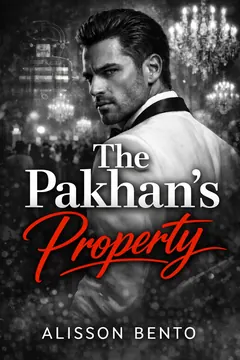
From Alisson Bento’s books
Arranged & Forced Marriage
A mafia romance about a wedding she did not choose to a man she cannot escape.
Kindle edition · Check Kindle Unlimited availability on Amazon.
Who organizes the match and who decides are separate questions
Does a match arranged by relatives automatically count as forced? No. Fiction can show adults welcoming an introduction, asking for more time, negotiating, or declining. Someone else’s involvement does not automatically remove their authority over the final decision.
Likewise, a character can appear to propose their own marriage while facing coercive circumstances. An adult might offer the only option a powerful opponent permits. Initiative in a scene does not necessarily establish freedom in the broader setup. Look at the alternatives the premise actually gives them.
A proposed match can still leave room for disagreement
A consensual fictional arrangement does not require instant enthusiasm. Two adults might be uncertain about compatibility or prefer a different timetable. They can explore the proposal while retaining the right to decline. That hesitation can supply plenty of romantic tension without turning reluctance into an obligation.
An imposed match can include apparently polite discussion
Coercion need not be presented as an openly hostile command. A fictional negotiation can include courteous language while one adult controls all the practical options. The question is whether the less powerful person can affect the outcome, rather than whether everyone uses the word “please.”
Read for decisions, not just speeches. Who chooses when they meet? Who can ask questions? Who can pause the process? Small moments often reveal whether the character’s apparent participation has substance.
What happens after refusal reveals the stakes
In an arranged match with meaningful choice, declining may disappoint someone or require an awkward conversation. Disappointment alone is different from a threat that strips an adult of viable options. A fictional family can have strong opinions without its preferences becoming the prospective spouse’s unavoidable fate.
In a forced setup, refusal may trigger threatened harm, confinement, removal of resources, or punishment of someone the character cares about. You do not need graphic scenes to recognize that the stakes have shifted from choosing a match to surviving an imposed situation.
Does pressure always look physical?
No. A fictional adult may be pressured through threats involving money, freedom, reputation, or loved ones. Notice what the pressure does to their ability to choose. The story might use gentle-sounding persuasion or dramatic intimidation; tone alone does not determine how much agency remains.
This is also where summaries can be incomplete. “She agrees to save the alliance” could describe a willing adult taking a difficult responsibility, or someone given no viable way to refuse. The phrase establishes a motive but leaves the conditions uncertain. A content note or clearer premise may provide the missing distinction.
You can prefer a story about freely accepted duty, or deliberately seek fiction about constrained choice. Both reading requests become more accurate when the restriction is named plainly.
Two invented adult matches show the difference
In this invented arranged-marriage example, adults Liora and Soren are introduced by advisors who hope their households will collaborate. Each receives the proposed terms. They meet privately, ask for time, and are told the project can proceed another way if they refuse the marriage.
Liora likes Soren but wants to continue an independent career. Soren asks to postpone the decision until they know more about each other’s plans. They eventually accept after revising the arrangement. The romance can explore whether a sensible shared plan becomes a relationship they cherish. Their freedom does not remove conflict; it gives the conflict a negotiable form.
Now consider a separate invented forced-marriage example. Adult Nessa is told she must marry adult Calder or a fictional ruler will confine her sibling. The discussion includes a choice of ceremony dates, but not a meaningful choice about marriage. Selecting the date cannot transform the imposed union into a freely accepted match.
Calder’s role matters. He might be another person trapped by the ruler, someone cooperating with the coercion, or someone responsible for it. Those versions create different romantic problems. If both are pressured by a third party, learning to trust each other is distinct from asking Nessa to trust the person who imposed the situation.
Attraction could appear in either invented story. It would not make their starting conditions equivalent. The reader can follow a developing connection while continuing to see what the narrative must address about choice.
Consent has several places in a marriage story
An adult’s decision about marrying is one decision. Living arrangements, private conversations, public appearances, and romantic intimacy can raise additional questions. A freely accepted match does not establish that every later request is welcome. A novel may show the spouses negotiating these parts of their relationship as they learn about each other.
That makes the early rules useful reading evidence. Can either character maintain private space? Can they express a different preference without punishment? Do invitations leave room for an answer? The details can show how much room the romance gives both adults to participate.
Can a character change their mind before the wedding?
If the fictional arrangement is presented as freely chosen, the ability to reconsider matters. An initial yes followed by an ignored no changes how the situation should be understood. Watch whether the story treats reconsideration as a decision the adult can make or as an inconvenient obstacle others can simply overrule.
A later relationship can also evolve toward greater agency. That development is most convincing when the narrative shows actual choices becoming possible. A character being told they are loved is different from having control over their next step. The romance gains emotional force when both are addressed.
Later love does not rewrite the original premise
If the couple falls in love, was the marriage never forced? No. Later feelings do not alter what choices were available at the beginning. They can change the relationship’s future, but the original coercion remains part of its history.
For readers who enjoy difficult fictional dynamics, that distinction can deepen the story rather than spoil it. A narrative may let an adult recognize affection while remaining angry about an imposed situation. It can show trust growing alongside a demand for freedom. Mixed feelings can make sense within the fictional conflict.
If a romantic lead helped impose the marriage, ask what changes in that character’s conduct. Do they relinquish leverage, respect refusal, or address the restriction they created? A grand declaration unrelated to the source of coercion may leave the central obstacle untouched.
If the romantic lead was also trapped, look for how the adults negotiate together once alternatives emerge. Do they choose a relationship after the original pressure changes, or merely continue because the plot gives them nowhere else to go? Your preferred payoff may depend on seeing a fresh, meaningful choice.
An optimistic ending can provide emotional satisfaction without requiring you to relabel the beginning. The story can acknowledge what happened and still show a different future.
Convenience and proximity answer different questions
Is an arranged marriage automatically a marriage of convenience? No. Arrangement concerns how the match was organized. Convenience concerns why the adults marry, such as a practical fictional alliance. The same book can include both, but one label does not explain the other.
For that separate comparison, fake dating vs marriage of convenience examines what a practical marital commitment changes. Here the focus stays on whether each adult can decide to participate. A useful purpose for the marriage is not evidence that the adults consent to it.
Is forced proximity the same as forced marriage? No. Proximity describes circumstances that keep characters near each other. Adult strangers sharing a guesthouse after a travel delay have not thereby entered an imposed union. The forced-proximity guide considers closeness, privacy, and duration as separate reading ingredients.
Similarly, an arranged or forced premise does not dictate heat, pacing, or genre tone. An arranged marriage can develop slowly or quickly. A forced-marriage tag can signal a restricted-choice setup without specifying how graphic the book is. Read those features independently.
Choose fiction with the amount of agency you want to read
You do not have to choose between enjoying a marriage trope and asking precise questions about it. A preference for adult negotiation is a useful filter. So is a preference for fiction that explicitly explores coercion and makes its consequences part of the romantic arc.
- For consensual arrangement: look for adults who can refuse, request time, and affect the terms.
- For a darker imposed premise: look for clear content notes about coercion and how the romantic lead participates.
- For uncertainty: ask whether declining the match brings awkwardness or removes meaningful alternatives.
- For the eventual payoff: check whether the relationship becomes a choice both adults can express.
Keep the assessment specific to the fictional adults. Do not infer their freedom from a culture, a setting, a family’s background, or the presence of a traditional ceremony. The actions and alternatives on the page are the evidence that matters.
When exploring the arranged-marriage collection, read beyond the label to the characters’ actual situation. The distinction is simple to state but valuable to keep: who organizes the match starts the plot; who can choose determines the kind of conflict you are about to enter.