
Instalust means immediate physical attraction or desire. Instalove means unusually rapid love, emotional certainty, or commitment. The distinction is the milestone that happens quickly. An adult character can be captivated by someone at the first meeting and still need months to build trust. Another story may offer the fantasy of recognizing a future partner almost immediately. Neither label, by itself, tells you the book’s spice level or how much relationship work comes afterward.
If you like a spark on page one but want the characters to earn your confidence, you do not necessarily dislike immediate attraction. You may dislike attraction being treated as complete knowledge of another person. Separating desire, affection, trust, and commitment makes it much easier to choose the pace you want without dismissing every fast opening as the same kind of romance.
Instalove vs instalust: ask what arrives first
Instalust starts with a reaction to someone’s physical presence, voice, manner, or confidence. The character wants more contact, or the narration makes their attraction obvious. That reaction can be intense without containing a claim about compatibility. Wanting to kiss someone is different from knowing how they handle disappointment, obligations, or another person’s boundaries.
Instalove concerns the story’s rapid movement toward love or romantic certainty. The character may feel they have met the person they want, declare deep affection quickly, or commit to a relationship after little time together. Readers use the term somewhat differently: some emphasize immediate feelings, while others mean an emotional arc that seems unusually compressed. Specific descriptions are therefore more useful than a label alone.
Is being instantly fascinated the same as instalove?
No. Fascination can be curiosity, admiration, desire, or the sense that someone matters before the character understands why. A story may use that opening to begin a long process of discovery. Look for what the narration actually claims. “I want to know more” leaves room for learning; “I already know everything I need” makes a much stronger romantic promise.
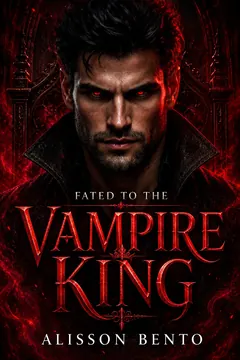
From Alisson Bento’s books
Vampire
A vampire romance about a captive bargain that turns into the only place she wants to be.
Kindle edition · Check Kindle Unlimited availability on Amazon.
Desire can be quick while emotional intimacy takes time
Relationship development does not have a single clock. Attraction can appear before conversation. Conversation can become intimate before physical contact. A first kiss can occur before trust, and a decision to commit can happen after both adults have learned a great deal about one another. When readers describe a book as fast or slow, they may be referring to different parts of that sequence.
In an invented example, two adults meet while helping at an arts event and feel immediate attraction. They exchange contact details, enjoy a date, and discover a serious disagreement about their schedules. Over several weeks, they learn whether they can make space for each other’s work. The spark was instant. The relationship still has to develop through specific choices rather than rely on that first reaction.
This combination suits readers who want energetic chemistry without immediate certainty. Early desire can supply tension while the adults test what lies beneath it. It can also complicate their judgment: they may be tempted to overlook a difference, then have to address it later. The useful reading question is whether the story allows new information to affect their feelings and decisions.
Can instalust be part of a slow burn?
Yes, depending on which milestone the slow burn delays. The adults may want each other early while taking longer to trust, admit affection, or form a relationship. If your own definition requires attraction itself to emerge gradually, that combination may not suit you. Say which development you want to wait for rather than assuming everyone uses slow burn identically.
Instalove offers early certainty, but the story can still have work to do
A rapid declaration does not have to end the romantic arc. A couple who feels certain early may still need to learn how to support each other, negotiate a practical difference, or respond to an external challenge. The story’s pleasure may come from watching an early commitment become more informed. Instead of asking whether they will choose each other, the reader watches how they make that choice sustainable.
In another invented example, two adults spend an intense weekend together and decide they want a shared future. They then return to separate cities with different work commitments. Their early certainty is part of the fantasy, but the later story examines the cost of reorganizing ordinary life. Whether you enjoy it may depend on how much practical and emotional follow-through appears after the declaration.
Some readers prefer the comfort of decisive affection. Others want uncertainty to remain longer because discovery is their favorite part. Those preferences do not establish a universal hierarchy of quality. The distinction helps you name the romantic experience you want: certainty followed by tests, or tests followed by certainty. A book can deliver either convincingly within its own premise.
Does instalove always mean love at first sight?
Not necessarily. Love at first sight usually points to the initial encounter. Instalove can describe a connection that becomes emotionally definite over a short period, even if the first meeting is not an immediate revelation. Because usage varies, look at whether the description emphasizes instant recognition, a whirlwind courtship, or simply a fast relationship arc.
Separate what the character feels from what the story establishes
A character’s conviction is information about the character. It is not automatically a complete description of the other person. Fiction can deliberately show someone feeling certain before they have enough knowledge, then let later events complicate that certainty. If the narration gives room for reconsideration, an early declaration may be a starting point rather than the author’s final argument about the relationship.
This distinction is especially useful when a confident statement initially feels unearned. Ask whether the book knows the adults have more to discover. Do they make assumptions that later prove wrong? Can they admit uncertainty without destroying the romance? Are differences treated as actual problems, or brushed aside because attraction is supposed to answer every question? Those choices tell you how the story handles its early intensity.
You also may encounter a character who misnames desire as love. That can be a purposeful conflict, not evidence that the book confuses the two. The rest of the story must show you what happens to the claim. A reader who enjoys self-discovery might welcome that setup, while one seeking uncomplicated certainty may prefer a romance that treats the first recognition more straightforwardly.
What makes a fast connection feel specific rather than generic?
For many readers, credibility comes from particulars rather than elapsed time alone. The adults need something to notice beyond mutual attractiveness. A disagreement can show whether they listen. An inconvenience can reveal how they treat someone who cannot help them. A personal disclosure can show whether they respect confidence. These moments give the relationship substance, even when the story covers a compressed time frame.
Look for attraction attached to character. Perhaps one adult admires the other’s calm response to a disrupted plan, or enjoys a joke that reveals an unusual way of seeing a familiar problem. Their interest becomes distinct because it would not apply equally to anyone standing nearby. Physical chemistry can remain central while the story gives it an emotional context.
A long time span does not automatically solve the same problem. “Three months later” provides a calendar change, but readers may still want scenes showing what the adults learned. A short story can show meaningful exchange; a longer one can summarize it. If you want earned trust, look for evidence of reliability and repair rather than treating the number of days as a substitute for relationship development.
Can a quick relationship still feel emotionally earned?
It can, if the story gives you enough specific interaction for its intended fantasy. Your threshold may differ from another reader’s. One person needs sustained everyday contact; another accepts a few revealing decisions under pressure. The practical question is what makes you believe the connection in this book, not whether there is a universal minimum number of dates.
Spice, fated connections, and falling first answer other questions
Instalust describes desire, not how explicitly the author depicts physical contact. An adult character may feel strong attraction in a closed-door romance. A book with instalove may also contain little physical detail. Conversely, explicit scenes can appear before a slow emotional commitment. Check heat separately so an opening full of longing does not become an unsupported promise about later content.
A fated connection can provide a fictional reason for immediate recognition, but it does not specify how the adults respond. They may resist it, accept it, or question what it means. The bond and the relationship remain different story elements. If you want gradual trust within a destined pairing, look for that particular emphasis rather than assuming fate makes every emotional milestone immediate.
Who falls first is another axis. One adult may fall in love early while the other develops feelings slowly. Or both may share immediate desire but recognize affection at different times. The he falls first vs he falls harder guide explores that difference in timing and visible devotion. It does not replace the question of how rapidly the relationship becomes emotionally certain.
Read the blurb for promises, then check the actual language
Words suggesting an irresistible pull may indicate attraction without promising love. A description about recognizing a future together suggests a different milestone. A whirlwind courtship points toward compressed development but leaves room for many kinds of conflict. Read the full premise rather than treating one intense adjective as proof of instalove. The relationship obstacle often clarifies what the story still expects the adults to learn.
- Name the fast event. Is it desire, emotional disclosure, an admission of love, or a commitment?
- Name the remaining question. Must the adults learn trust, overcome a practical problem, or decide whether their attraction means more?
- Check your preferred evidence. Do you want daily reliability, honest conflict, shared values, or early certainty?
- Check physical detail separately. Neither rapid desire nor rapid love defines what stays on the page.
An opening scene can help you distinguish attraction from declarations, but it cannot map the entire arc. Spoiler-light reviews or author descriptions may clarify whether feelings develop gradually after the initial spark. Avoid asking only whether the book is instant or slow when your real concern is whether trust has space to grow. A more precise question tends to produce a more useful answer.
Choose immediate chemistry or immediate certainty without apology
If you want attraction now and discovery later, look for early desire paired with meaningful obstacles to trust or commitment. If you want decisive affection and the comfort of a couple facing the world together, a fast-love premise may suit you. If you want every stage to unfold gradually, say so. None of those preferences needs to be disguised as a judgment about what all romance should do.
You can also change preferences between books. After a long, uncertain courtship, quick mutual certainty might be exactly the pleasure you want. After a whirlwind relationship, watching two adults learn each other’s habits may feel refreshing. The labels are tools for selecting a reading experience, not rules requiring you to remain loyal to a single pace.
The clearest distinction stays simple: instalust gives you desire before much knowledge; instalove gives you unusually early love or romantic certainty. Then ask what the adults do next. That next step is where a spark becomes a story and where your particular appetite for romance has room to choose.