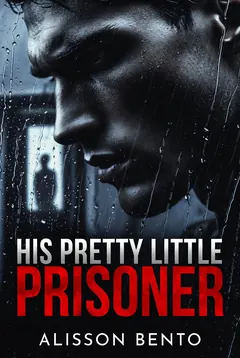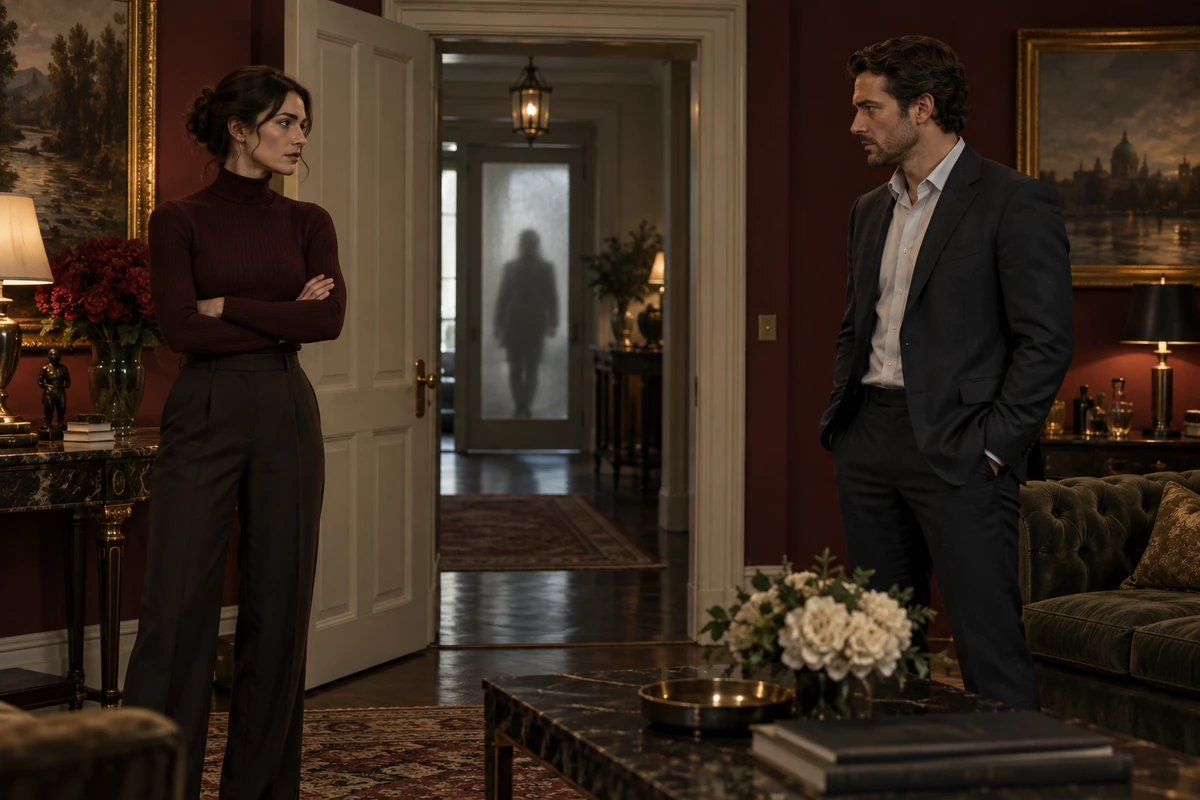
The clearest way to compare dark romance vs romantic suspense is to ask where the danger comes from. Romantic suspense often brings lovers together against an outside threat. Dark romance often makes morally troubling choices, taboo dynamics, or unequal power within the connection part of the attraction and conflict. A book can do both, so neither a crime scene nor a dangerous love interest settles the question alone.
That distinction helps you choose an experience: people learning to trust each other while danger closes in, or attraction that makes trust itself difficult. The following comparisons concern fictional stories with adult characters. They are reading tools, not rigid rules for every shelf.
Romantic suspense makes an external problem matter to the romance
In romantic suspense, an investigation, pursuit, unexplained threat, or other urgent problem creates pressure around the relationship. The romantic partners may disagree about evidence or keep secrets, but someone or something beyond their attraction typically supplies a substantial part of the risk. The suspense plot changes what the characters must do together.
The relationship should have its own movement. Two adults can survive a frightening event without developing a convincing romance; the romantic element becomes meaningful when sharing information, accepting help, or making a joint decision also changes their understanding of each other. The danger gives their choices urgency, while the emotional decisions give those choices weight.
Is romantic suspense just a thriller with kissing?
No. A thriller can contain a romantic subplot while concentrating on solving or surviving its main problem. A romantic suspense novel usually asks you to invest substantially in the relationship as well. Inspect the description: does it promise a love story complicated by danger, or an investigation with an attraction on the side? Neither arrangement is inferior, but they meet different reading moods.
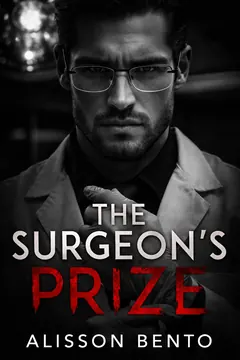
From Alisson Bento’s books
Dark Romance · Romantic Suspense
A medical romance about a debt or a bargain that puts her in his world.
Kindle edition · Check Kindle Unlimited availability on Amazon.
Dark romance can place the moral risk inside the connection
A dark romance may ask its protagonist to desire someone whose own conduct is part of the problem. The love interest might conceal consequential information, exploit an imbalance, or pursue a goal that threatens the protagonist’s independence. The central tension is then more complicated than whether both people can escape an outside antagonist.
Darkness can also come from a broader fictional world: oppressive institutions, ruthless loyalties, or choices with serious ethical costs. Not every dark romance uses the same relationship dynamic. Some central couples cooperate within a disturbing setting; others have to confront harm caused by one another. Read for the particular source of darkness rather than assuming all books under the label make the partner the threat.
Does a morally gray hero automatically make a book dark?
No. A compromised character can appear in many kinds of romance. Their choices, how central those choices are, and how the story treats their effects matter more than a character tag. A love interest who occasionally bends a rule is not interchangeable with one whose leverage shapes every romantic decision. The adjective needs a premise beside it.
Reputation is another clue to handle carefully. A feared adult love interest might be considerate toward the protagonist, while an apparently respectable partner might conceal the choices that create the central risk. Neither public image tells you what happens between them. If the question is about ethical characterization rather than genre, the morally gray hero vs villain guide separates compromised choices from an opposing story role. For this comparison, return to the practical premise: what makes the couple unsafe, uncertain, or unable to trust? The answer can change as secrets emerge, which is why the opening description offers a starting point rather than a complete map.
Use the danger test on a specific fictional setup
Consider an invented example with two adult characters: an archivist receives threats after finding a missing document, and a former investigator helps determine who sent them. Attraction develops as they exchange information and debate whom to trust. If the outside threat disappeared, their main question might be whether their different approaches can become a workable partnership.
Now change the example. The investigator secretly controls the document the archivist needs and uses access to keep them close. There may still be an outside antagonist, but the romantic relationship now contains a separate restriction. Solving the external mystery would not resolve the investigator’s manipulation or restore the archivist’s lost choices.
A useful test is: if the outside danger vanished tomorrow, what would still make the relationship difficult? Ordinary incompatibility points to one kind of conflict. Hidden coercion, betrayal, or an ethically charged imbalance points to another. This is a way to inspect the story’s pressures, not a mechanical verdict about its official category.
Overlap is possible, especially when secrets serve two plots
Can a book be both dark romance and romantic suspense? Yes. The same secret can affect an investigation and a romantic bond. An adult character might withhold information about a pursuer while also withholding their own involvement. The eventual discovery then changes the couple’s practical safety and their emotional trust.
Look for whether both conflicts receive attention. If an external antagonist is defeated but harmful conduct inside the couple disappears from discussion, the ending may resolve the suspense while leaving your preferred romantic question unanswered. Conversely, a reconciliation may feel emotionally complete while a larger criminal conflict continues into another volume.
Genre overlap is most useful when it explains those separate promises. It becomes less useful when it is treated as a contest over which label is more intense. You can want fast pursuit scenes and a morally difficult relationship in the same book; you can also want only one of those ingredients.
Is every mafia romance also romantic suspense?
No. A fictional crime-family setting can support alliance drama, family obligations, or a relationship conflict without a substantial investigation or pursuit plot. It can also contain a developed suspense story. Ask what occupies the characters’ decisions, rather than using the setting as proof. Family politics and an unfolding mystery create different kinds of page-turning tension.
Danger, heat, and romantic resolution need separate checks
Neither label tells you exactly how sexually explicit a book is. Suspense can create charged closeness while keeping intimacy off page. Darkness can arise through secrecy or power without requiring graphic sexual detail. A high heat rating likewise cannot explain who threatens whom or whether the relationship faces a moral reckoning.
The ending deserves its own check. Romance Writers of America’s genre definition connects a central love story with an emotionally satisfying, optimistic romantic resolution. That broad expectation does not identify the ending of every marketed book, and a continuing series may distribute its resolution across multiple volumes.
Can dark romance have a happy ending?
Yes, a story can explore dark material and still offer an optimistic romantic outcome. What matters for your choice is what that outcome means in the specific book: reconciliation, a committed future, or an unresolved relationship leading into a sequel. If you need the couple’s arc completed now, look for that information explicitly rather than assuming a dark label rules it out or guarantees it.
Also separate a happy ending from the material encountered along the way. It cannot tell you whether a difficult theme appears, how directly it is depicted, or whose actions create it. An ending promise answers a resolution question, not a content question.
Read the blurb for verbs, not just atmosphere
A description full of shadows, secrets, and danger may reveal very little about the actual relationship. The verbs are often more helpful. Who investigates, hides, follows, bargains, threatens, protects, or refuses? Which person has information, and which person must make decisions without it? Those details sketch the source of pressure.
Try reducing the premise to two sentences. First: what external problem must the characters solve or survive? Second: what must change between them for the romantic bond to work? If the second answer is simply that danger keeps interrupting their dates, you may be looking at a different emotional experience from a premise built around a partner’s betrayal.
- For an alliance under pressure: look for shared goals, mutual reliance, and a clearly identified outside threat.
- For a difficult attraction: look for the love interest’s own conflicting goals or troubling use of power.
- For both: look for a description that gives the couple an external problem and an internal dilemma.
Marketing remains selective. An opening sample can reveal the tone and viewpoint, but it may stop before the relationship’s darker choices or the suspense plot’s full shape emerge. Use it to test the voice, then check the information it cannot provide.
Ask spoiler-light questions that match your boundaries
Can you check the distinction without learning the final twist? Usually you can ask about the setup rather than the culprit or outcome. Useful questions include whether the main threat comes from a romantic partner, whether the couple mostly cooperates, and whether harmful behavior within the relationship is central or incidental. These questions describe the reading experience while leaving room for surprise.
Content notes can answer more specific concerns, although their detail and placement vary. Start with the author or publisher’s available notes. The spoiler-light content-note guide offers a more detailed approach. If you need one theme checked, name that theme and ask whether it is directly depicted, recalled, or briefly mentioned. You do not need to explain why it matters to you.
If a blurb and the available notes remain ambiguous, that ambiguity is information too. You can seek a narrower clarification or choose a premise with clearer boundaries. Loving intense fiction does not obligate you to accept every form of intensity. The suspense you enjoy and the romantic dynamic you enjoy may have different limits.
Choose the question you want the book to keep asking
For your next read, name the tension you want in a plain sentence. Perhaps it is, “I want two adults to become a team while an outside threat tests them.” Perhaps it is, “I want attraction complicated by a love interest whose choices deserve scrutiny.” Or perhaps you want both, with separate suspense and relationship payoffs.
Then keep three small notes beside the title: source of danger, desired relationship movement, and content boundary. That is more useful than recording only “dark” or “suspense.” For example, the invented archivist setup might become “outside pursuer; cooperation growing into trust; no partner-caused confinement.” A second version could deliberately request morally troubling secrecy while excluding a different theme.
Specific preferences also make discussions with other readers easier. Instead of asking for the darkest possible book, explain whether you want dangerous surroundings, a dangerous partner, or both. You can be bold about fictional desire and precise about its shape. Once you know where you want the danger to live, the next description becomes much easier to read.