Bodyguard romance vs a protective hero is a comparison between a story role and a character trait. A bodyguard is assigned, hired, or sworn to protect someone. A protective hero may offer care without any such obligation. Both can be intensely attentive, but duty changes why they stay close and what acting on attraction could cost.
If you love a character who notices everything and struggles to say what they feel, the distinction is useful. Do you want restraint created by a job, or devotion chosen through a personal bond? This guide discusses fictional adults and the romantic effects of those setups, without offering real security guidance.
A bodyguard role gives proximity a reason before attraction
In bodyguard romance, repeated closeness can begin before either character wants a relationship. Protection is the reason they share parts of a day, attend the same events, or learn each other’s habits. The assignment makes avoidance difficult even when attraction feels inconvenient.
A protective love interest without that role usually needs a different reason to be present. They might be a friend, neighbor, colleague, or existing partner. Their offer of help can reveal affection, but their attendance is not automatically a work requirement. The same attentive gesture therefore carries different information in the two setups.
Does every protective hero count as a bodyguard?
No. A character who helps during one dangerous event has done something protective. That alone does not create a continuing duty or assignment. To identify bodyguard romance, ask whether the protection role organizes the relationship across the story. A passing rescue and an ongoing responsibility make different romantic promises.
A bodyguard can also be personally protective. Role and trait may coexist; they simply are not synonyms. The interesting transition often comes when behavior that began as an obligation acquires a personal meaning neither adult can comfortably acknowledge.

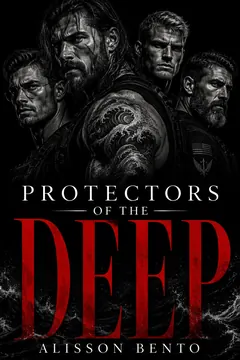
From Alisson Bento’s books
Bodyguard & Protector
A mafia romance about a protector who would take a bullet for her, and might.
Kindle edition · Check Kindle Unlimited availability on Amazon.
Duty changes what a caring gesture tells you
Imagine an invented scene involving two adults. A client is exhausted after a difficult meeting, and their assigned protector quietly brings water and asks whether they want a break. The gesture may show thoughtfulness, competence, attraction, or several things at once. Because care overlaps with duty, the client may be uncertain what it means.
Now imagine a neighbor with no assigned role making the same offer. Their presence is a personal choice, though the reason for it may still be friendship rather than romance. The gesture remains ambiguous, but the characters cannot explain it away simply as part of the job.
That ambiguity is one of the bodyguard setup’s pleasures. An adult can wonder whether they are receiving exceptional attention or ordinary professional care. The reader watches for moments when the pattern changes: unnecessary conversation, a freely offered confidence, or interest that continues when the assignment no longer requires it.
How can you tell duty from romantic devotion?
Look for choices the role does not explain. The book might show an interest in the client’s ambitions, a difficult admission, or a desire to meet after work ends. A single protective act cannot settle the question. The emotional arc gains force when the story gives personal attachment evidence beyond simply fulfilling the assignment.
Professional distance can make attraction feel forbidden
A bodyguard premise may introduce boundaries around personal involvement. An employer, an oath, or the character’s own expectations can create pressure to maintain distance. That pressure is a fictional story obstacle; its exact form depends on the book. The label does not prove that every bodyguard follows identical rules.
Forbidden attraction becomes specific when the characters can name what is at stake. A protector might fear losing an assignment they value. A client might worry that affection makes professional care harder to interpret. Both might hesitate because one person’s ability to end the working arrangement affects the other’s livelihood.
Is bodyguard romance always a slow burn?
No. Duty can support prolonged restraint, but it does not dictate pace. Some fictional adults recognize attraction quickly and then confront its consequences. Others take time to trust one another before feelings develop. If delayed romantic milestones are the appeal, look for that pacing promise separately rather than inferring it from the occupation.
Likewise, forbidden does not establish heat. The tension can remain in charged conversations, emotionally intimate moments, or off-page intimacy. A job-based obstacle tells you why closeness is complicated, not how explicitly the story depicts it.
Identify whose instructions the protector follows
One useful bodyguard question is who holds the assignment. The protected adult may have hired the person themselves, or a relative, employer, or institution may have arranged it. That difference affects whose expectations the protector feels bound to meet when preferences collide.
In an invented adult scenario, a client wants to attend a reunion while the person paying for protection expects them to remain elsewhere. The romantic issue is not a technical plan for managing risk. It is whose voice matters, what information is shared, and whether the protector treats the client as a participant or an object of someone else’s instructions.
The scene can become emotionally revealing even without an emergency. A character who explains a conflict openly behaves differently from one who secretly reports the client’s private choices to a third party. The professional setup creates a reason for the dilemma, while the response shapes trust.
Ask whether the book makes divided loyalty a central obstacle or a brief complication. If you want an intense duty conflict, a description that identifies an oath or competing employer expectation may fit better than one mentioning a bodyguard without explaining what prevents the romance.
Confidentiality creates intimacy and uncertainty
Working closely with another adult can give a fictional protector access to private moments: fatigue, an unguarded disappointment, or a conversation the public never hears. That access may help characters see beyond appearances. It also raises the question of how private knowledge is handled.
A client may appreciate being understood while wondering whether they can choose what to reveal. An attentive professional can learn a great deal simply by being present. A convincing emotional connection usually needs something more than observation: the adult being observed voluntarily shares, asks questions in return, and sees the protector as a person.
Is constant proximity the same as emotional intimacy?
No. Two adults can share a schedule and still misunderstand each other. Intimacy grows through meaning, disclosure, and response. In an invented example, the client asks why the protector values a particular promise, and the protector decides to answer personally. That chosen exchange changes the relationship in a way that silent attendance alone cannot.
Notice whether vulnerability travels both ways. If only the client becomes known while the protector remains an untouchable mystery, that may be a deliberate fantasy. If you want a reciprocal emotional arc, look for evidence that each adult gets to reveal and withhold, rather than one person permanently studying the other.
Protection can support choice or become control
The word protective does not tell you whether a character respects another adult’s decisions. Offering information and discussing alternatives differs from making a unilateral rule. Those differences matter in both bodyguard romance and stories about personally protective partners.
Consider an invented scene. An adult professional explains a concern about an event, describes available options in broad terms, and asks what the client values about attending. Their expertise contributes to a discussion. Contrast a character who refuses discussion, conceals the options, and makes disagreement costly. The second action restricts choice even if the character calls it protection.
Fiction may intentionally explore the restrictive version. Attraction does not erase what happens, and the narrative’s response matters: can the other adult object, does the objection affect the relationship, and are the consequences acknowledged? You can enjoy difficult fiction while describing the dynamic accurately.
Protectiveness also differs from jealousy. Concern about an outside threat and discomfort about a romantic rival are different motives, even if both produce an offer to accompany someone. The possessive vs jealous guide looks more closely at those labels. Here, ask how responsibility affects the protected adult’s room to decide.
A protective partner needs no job to show compelling care
Without a protection assignment, care can be expressed through voluntary relationship choices. An adult partner might offer company at a difficult family event, help prepare for a demanding week, or remember a boundary during a stressful conversation. Their attention can be fierce without becoming professional duty.
The tension may concern whether help is welcome, whether pride makes accepting it difficult, or whether past disappointment has made the protagonist reluctant to rely on anyone. Those are personal obstacles. They can be emotionally substantial even when there is no employer, oath, or urgent external danger.
Protective does not have to mean physically imposing or permanently stoic. The relevant behavior is what the character does for another person and how that person responds. A quiet offer that leaves room for refusal can reveal devotion; a dramatic rescue may reveal courage without establishing a whole relationship.
If your favorite fantasy is dependable care, describe that directly. You may want a partner who notices strain, offers practical support, and remains present after the crisis. Adding a bodyguard occupation could bring duty complications you enjoy, but it is not required for that kind of tenderness.
The end of an assignment can clarify the romantic choice
What happens when protection is no longer required? A role-based romance gains a useful test when the original reason for closeness changes. The characters must decide whether they want a bond beyond the assignment and what practical arrangement makes that possible.
The story might resolve this by ending or revising the role, acknowledging a conflict, or establishing a future with different responsibilities. No single solution is guaranteed. For your reading preference, notice whether the conclusion answers the duty question that made the romance difficult in the first place.
A personally protective partner faces a different test. Their care may continue without an assignment ever existing, but the story still needs to establish a mutual relationship rather than endless rescue. Does the protagonist have opportunities to care back? Can the couple share ordinary decisions as well as dramatic moments?
Ending information should be checked separately if you need a completed romantic arc. The bodyguard tag does not establish whether a book is standalone, ends on a cliffhanger, or continues the same couple into a sequel.
Choose the source of restraint, then check the specific premise
For your next read, decide what you want the protective dynamic to deliver. Duty-based restraint points toward an assigned protector. Freely chosen everyday support points toward a protective partner. A combination might involve a role that begins professionally and develops into attachment, with the transition itself becoming the central obstacle.
A useful browsing note has three parts: the role, the emotional tension, and one boundary. For example, an invented preference could be “assigned bodyguard; mutual yearning complicated by employer loyalty; client remains involved in decisions.” Another could be “protective friend; gradual trust; no professional hierarchy.” These are precise moods, not claims about particular books.
Then examine the blurb, sample, and available content notes for the information each can provide. If your main concern is whether danger comes from inside the couple or outside it, the dark romance vs romantic suspense comparison helps separate that question from protective duty. Choose the reason for closeness first, and the attentive gestures will mean much more when they arrive.