A possessive vs jealous romance hero comparison starts with the difference between a feeling and an action. Jealousy reacts to a perceived threat to a romantic connection. Possessive behavior asserts a claim over someone and can involve attempts to control their choices. A fictional hero can show either, both, or neither.
Romance descriptions use these labels loosely. “Possessive” might mean mutually enjoyed declarations of attachment in one book and restrictions on another adult’s freedom in another. To choose the dynamic you want, inspect the behavior beneath the tag. The discussion here concerns fictional adults, without psychological diagnoses or claims that intensity proves love.
Jealousy can remain a feeling rather than become a rule
A jealous character may feel unsettled when a partner receives romantic attention, wonder whether affection is returned, or fear that a relationship is changing. The perceived threat may be real, mistaken, or left uncertain by the viewpoint. What the character feels and what they do next are separate parts of the scene.
They might keep the reaction private, admit it awkwardly, ask an honest question, or behave unfairly. All four can begin with jealousy, but they create different romantic tension. The label alone does not establish whether the protagonist loses any freedom or whether the scene becomes a conversation about uncertainty.
Can a gentle hero be jealous without being possessive?
Yes. An invented adult character might feel disappointed when someone they love mentions a promising date, then wish them well without trying to interfere. Their reaction reveals desire or hurt; it does not impose an obligation on the other person. A quiet jealous moment can carry plenty of romantic charge without becoming a claim of ownership.
This distinction is useful if you enjoy pining but dislike restrictive behavior. Ask for an internal jealous reaction, an honest conversation, or a hero who respects the other adult’s decision. “Jealous hero” alone may bring recommendations with a very different tone.
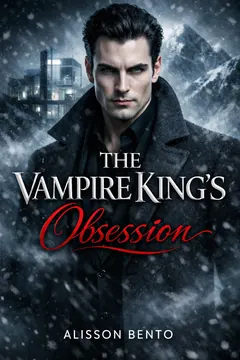
From Alisson Bento’s books
Possessive Hero · Dark Romance
A vampire romance about a hero who claims her and never lets anyone forget it.
Kindle edition · Check Kindle Unlimited availability on Amazon.
Possessive language and controlling actions need separate attention
Fictional possessiveness can appear through words, gestures, decisions, and restrictions. A declaration of intense attachment might be welcomed by both adults as part of their relationship. Another character might use similar words to justify monitoring, exclusion, or making refusal costly. The surface phrasing can look alike while the practical effect differs.
Ask what changes after the claim. Does the other adult retain their friendships, plans, and ability to disagree? Can they say that a phrase is unwelcome? Is the declaration reciprocal, or does one person assume entitlement that the other never offered? Context determines what the scene actually gives you.
Is saying “you’re mine” always the same as controlling someone?
No. A line of dialogue cannot establish the entire dynamic. In one invented adult relationship, both partners might freely use possessive language and remain able to revise their boundaries. In another, the same phrase accompanies a demand that one partner cancel plans. Read the agreement and the resulting choices rather than treating the wording as sufficient evidence.
At the same time, playful framing cannot erase a restriction that the scene actually imposes. You can describe the language as flirtatious while still noticing a unilateral decision. Those observations concern different parts of what happened.
Compare three responses to the same invented situation
Imagine two adult characters attending a fictional museum fundraiser. One spends time talking with a former romantic partner who is now a colleague. Their current partner feels uneasy. That single setup can produce several distinct reading experiences depending on the response.
A private reaction creates uncertainty
In the first invented version, the uneasy partner watches the conversation, misreads a laugh, and later admits they were worried. They do not interrupt or issue a demand. The scene’s tension lies in vulnerability: will the other adult understand the feeling, and can the couple clarify what they each assumed?
A mutual conversation makes the feeling discussable
In the second version, the character asks privately whether the colleague knows about their relationship. The other adult explains, listens, and decides what they want to share publicly. Jealousy is present, but the discussion leaves the decision with the person concerned. The scene can develop trust without removing the emotional intensity.
A restriction changes the other person’s options
In the third version, the partner orders the conversation to stop and threatens a consequence if it continues. The action restricts choice. A book may deliberately examine this troubling dynamic, but calling the reaction passionate does not change its effect. The protagonist’s response and the narrative’s treatment of the restriction become central reading questions.
These examples are not three diagnoses or a universal scale of darkness. They show why the same jealous starting point can lead to different behavior. When discussing a book, describing the response is more informative than saying the hero was extremely jealous.
A possessive character does not need a romantic rival
Can possessiveness appear without jealousy? Yes. A fictional character may assert control over a partner’s schedule, information, or relationships even when no romantic competition is present. The claim may be tied to status, a wish for exclusive access, or a broader power dynamic. Its story function does not require an attractive third person.
Conversely, jealousy can appear in a character who makes no claim at all. Someone may believe their feelings are unreturned and have no relationship agreement to protect. That scene may create longing, embarrassment, or a revelation of previously hidden attraction rather than ownership.
Protection introduces another distinction. Offering help because an adult faces a difficult situation is not automatically possessiveness. Nor does a protective explanation settle whether the action restricts them. For a role-based comparison, see bodyguard romance vs a protective hero. Here, keep asking whether the character is responding to romantic uncertainty or asserting a right to decide.
The distinctions let you refine a request. You might want obvious jealousy when a crush receives attention, but no limits on friendships. Or you might deliberately seek a dark story about control while wanting that control named clearly in content information. Both requests become more useful when the action is specified.
Notice how disagreement is treated on the page
The other adult’s response matters as much as the hero’s declaration. Do they welcome the behavior, dislike it, negotiate it, or feel unable to object? A story can convey attraction and resistance at the same time. One emotional response should not be used to make the other disappear.
Meaningful disagreement requires more than a defiant line followed by automatic compliance. Look at whether an objection changes a plan, prompts a conversation, or remains part of the relationship’s conflict. A protagonist can be verbally bold while still having few practical alternatives. Their dialogue and their options need separate consideration.
A restriction may also be partly hidden. If one character lacks information needed to understand a decision, the scene’s apparent agreement has a different shape. You do not need to invent motives to notice that information was withheld. Describe what the text shows and what remains uncertain.
If restricted movement or confinement is your specific concern, the captive romance premise guide examines that narrower situation. A possessive tag alone cannot establish whether confinement occurs, who causes it, or how central it is.
The narration can admire intensity and still examine consequences
A character’s private viewpoint may describe jealousy as overwhelming or a possessive gesture as reassuring. That perspective helps you understand their experience. It does not remove other events on the page. Compare the thoughts with the partner’s response and with what happens afterward.
For example, in an invented adult story, the hero might believe interrupting a conversation demonstrates devotion. If the protagonist says the interruption humiliated them and the conflict continues, the narrative preserves a consequence. If the objection is immediately dismissed as ungrateful, the story gives you a different framing.
Does jealousy prove that the hero is deeply in love?
No. Within a story, jealousy can reveal attraction, fear, pride, or uncertainty, depending on what the text establishes. A strong reaction is not by itself evidence of emotional knowledge, commitment, or care. Look for how the hero responds to the other adult’s needs when there is no rival to compete with.
This keeps the romantic arc larger than one spectacular scene. Someone who makes a dramatic claim may still need to learn the protagonist’s goals, listen to a boundary, or offer reliable support. If those things matter to your enjoyment, check whether the story develops them alongside intensity.
A change arc is also separate. If a character stops making restrictive decisions, you can look for changed behavior rather than rely on an explanation of why they acted that way. The precise accountability question belongs to redemption arc vs an excuse.
Use behavior-specific content questions before choosing
Broad tags are useful starting points, but they cannot answer every boundary question. If you want emotional jealousy without restriction, ask whether the hero mainly struggles internally or interferes with the partner’s decisions. If you want dramatic declarations but dislike surveillance, name that distinction directly.
Available author or publisher content notes may identify relevant themes, though detail varies. A useful spoiler-light question can ask whether a behavior appears and whether it is directly depicted, without asking how the couple ultimately resolves it. You do not need the final romantic twist to know whether a theme matters to your decision.
- For jealousy: does the feeling stay private, become a conversation, or prompt interference?
- For possessive language: is it mutual, welcomed, challenged, or imposed?
- For restrictive behavior: what decisions or freedoms does it affect?
- For narrative approach: is disagreement part of the conflict, or quickly brushed aside?
A sample can show voice and early chemistry while missing later behavior. An optimistic ending also cannot tell you what happens before it. Use each source of information for what it actually reveals, and leave room to choose another book if an important question stays unanswered.
Name the intensity you want without flattening the trope
How can you ask for this dynamic more precisely? Combine the feeling, the action, and the desired framing. An invented reading request might be “a jealous adult hero who admits insecurity, with mutual reassurance and no restrictions on friendships.” Another might be “a dark possessive relationship where the protagonist’s objections remain part of the story.”
Those requests avoid treating every reader as wanting the same thing from possessiveness. One person may love the exposure of hidden feelings. Another may want an openly troubling fictional power struggle. A third may enjoy playful claims within a mutually chosen bond. The broad label can contain all those interests without distinguishing them.
You can also separate this book’s mood from a permanent preference. Wanting a fierce fictional declaration today does not mean every future read needs it. A useful note after reading might say “private jealousy worked; interference did not” or “mutual language appealed; wanted more consequences for unilateral choices.” Specific notes improve the next search.
Enjoying intense fiction is compatible with clear description. Follow the feeling, the claim, the action, and the other adult’s response. Once those pieces are visible, a possessive or jealous hero stops being a vague promise and becomes a romantic dynamic you can choose with your eyes open.