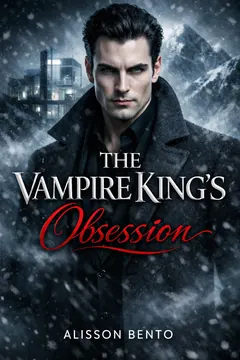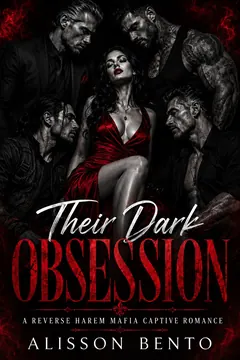
A dark romance heroine has agency when her decisions meaningfully shape the story. She needs goals, relevant information, and choices whose consequences remain visible. Sarcasm, physical strength, or a description calling her fearless can add personality, but they do not prove that she influences what happens. With a powerful love interest, look at what she can negotiate, refuse, discover, and change.
Agency does not mean unlimited freedom or winning every conflict. A heroine can face severe constraints and still make decisions that matter. Nor must she resemble one ideal of a strong woman. A quiet adult who changes the terms of an alliance may have more influence than a loud adult whose objections the plot ignores. The reading pleasure lies in following her choices, including the messy ones.
What does heroine agency look like on the page?
Use a simple sequence: she wants something, chooses a course, and causes a consequence. The goal might concern her work, a promise, a relationship, or somebody she wants to protect. It does not need to save a city to matter. It needs to belong to her and affect the decisions she makes.
Imagine an invented adult heroine offered a risky alliance by an influential man. She examines the proposal, insists on protecting the people who rely on her, and changes the plan before agreeing. Her agency is visible in the altered terms and the risk she accepts.
Compare another version where she objects sharply but joins an unchanged plan after the hero settles everything. She may still be entertaining and brave, yet that scene gives her less influence over the outcome. The distinction concerns the mechanics of the story, not whether her personality is appealing.
Does she have to initiate every major event?
No. Other characters and outside events can create problems. Agency appears in how she responds and whether that response matters. A heroine who did not choose the crisis can still choose an ally, reject a method, or reveal information that changes its direction.
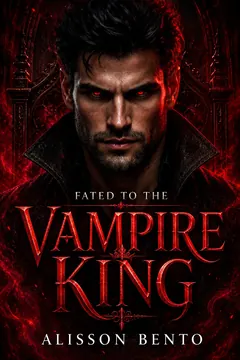
From Alisson Bento’s books
Dark Romance
A vampire romance about a captive bargain that turns into the only place she wants to be.
Kindle edition · Check Kindle Unlimited availability on Amazon.
Information makes a choice more than a performance
Consider what the heroine knows when she agrees. If the hero conceals the purpose of a meeting, she may be making a decision based on an incomplete account. That concealment can be a deliberate source of conflict, but the story should not treat the resulting agreement as though she had all the facts.
Information can take many forms: the risks of a plan, the identity of an opponent, a financial condition, or what the powerful partner has already arranged in her name. A character does not need perfect knowledge. She does need access to the facts the story makes central to her decision, or a meaningful chance to respond when the deception emerges.
What happens when she learns the truth?
Watch whether new information allows a new choice. She might withdraw cooperation, renegotiate, investigate, or knowingly continue. Any of those can develop her character. If she discovers a crucial lie and nothing she does affects the arrangement, the revelation may serve the hero’s drama more than her agency.
An invented adult heroine might agree to locate a missing archive, then learn the proposed buyer intends to destroy it. Her earlier agreement and later refusal are different decisions because the information has changed. Giving that refusal consequences makes the discovery matter.
Meaningful alternatives do not have to be easy ones
A choice can be real even when every option carries a cost. Dark romance often places adults in difficult circumstances. The useful question is whether alternatives exist and whether the story lets the heroine evaluate them in relation to her own priorities.
If leaving an alliance means losing access to evidence, she may still choose to leave. If remaining means accepting a compromise, she can understand and decide on that compromise. The tension comes from conflicting goals rather than a painless escape route.
However, being offered two versions of the same imposed outcome gives a different impression. Selecting a room in a property she cannot leave does not determine whether she stays there. Such small decisions may matter to the scene while leaving the larger restriction intact.
Can a heroine have agency in a captive romance?
She can make consequential choices within confinement, but those choices do not erase the confinement. She may conceal knowledge, bargain for access, protect another captive, or affect an escape plan. Keep the restriction visible while noticing what she does inside it.
If your reading preference requires freedom to leave the romantic lead, ask for that explicitly. A blurb calling the heroine defiant cannot establish it. Check the specific captive romance premise. You can appreciate strategic choices in a restricted setting while still deciding that the setting itself does not suit you.
A strong heroine can be quiet, frightened, or wrong
Agency is not a personality type. A reserved adult may state one condition and hold to it. A frightened adult may take action despite fear. A heroine may decide to trust the wrong person and then face the consequences. Those scenes can give her substantial narrative influence.
What matters is whether the story treats her decisions as hers. A mistake can reveal what she valued, what she misunderstood, and how she learns. If every mistake merely proves that the hero should decide everything from now on, her development may shrink instead.
Is sarcasm evidence that a heroine is strong?
It is evidence of a particular voice. Look at what follows the comeback. Does she obtain information, alter the plan, end the conversation, or protect a boundary? If nothing changes, the line may add enjoyable banter without creating meaningful influence.
Likewise, physical competence can support agency without being required for it. A heroine who cannot overpower an adversary may use expertise, social knowledge, or a well-timed disclosure. Strength becomes more interesting when the form suits her circumstances and goals.
Readers can also enjoy tenderness and cooperation. Accepting help does not automatically make her passive. Ask whether she chooses the help, understands its terms, and remains involved afterward. Partnership should be capable of expanding what she can do.
Power imbalance and heroine agency are separate questions
A powerful hero may possess wealth, authority, information, or influence the heroine lacks. Equal agency does not require identical resources, but the imbalance affects which decisions each can make and what refusal costs. Read those mechanics rather than assuming confidence balances everything.
One invented adult hero could offer access to a secure workspace while allowing the heroine to control her project. Another could provide the same workspace on condition that she abandon her chosen collaborators. The resource is identical; its terms change the relationship.
Notice whether the hero’s power is something she can question. Can she negotiate conditions, keep outside contacts, or ask someone else for advice? Does a disagreement alter his conduct? A story may deliberately restrict those possibilities, but it offers a different experience from mutual negotiation.
Can a dominant hero respect her choices?
Yes. An assertive personality and respect for another adult’s decisions can coexist in fiction. The evidence appears when her preference conflicts with his. Agreement is easy when she wants exactly what he wants; disagreement reveals whether her answer counts.
If the narrative depicts coercion, attraction does not convert it into free choice. A heroine can desire a powerful partner while resisting what he does. Morally gray heroes and villains raise further questions about their role and conduct. That complicated response may be central to a dark story, and readers can choose it knowingly without calling every interaction consensual.
Follow her goal beyond winning his attention
A romantic goal can belong fully to the heroine. Wanting intimacy, commitment, or reconciliation is an active desire. Still, a life containing other commitments can make those decisions richer because love must take its place among things she values.
Her goal might be preserving a business, clearing a relative’s name, keeping a private promise, or completing training. The scale matters less than continuity. Does the goal remain relevant after the hero enters, or disappear as soon as he becomes interested?
Consider the invented archivist from the earlier example. If she wants to protect the records, her attraction to the influential buyer creates a conflict with an existing purpose. If he can purchase her cooperation without her deciding what happens to the archive, the story shifts control away from her.
She can also change her goal. New information or a new attachment may make an earlier ambition less valuable. To feel like her development, that change needs to emerge through her assessment of the costs rather than being declared for her. Choosing love is meaningful when the choice includes an understanding of what she is changing.
Consequences show whether the story listens to her
Look beyond how much dialogue or viewpoint time she receives. A heroine can narrate every chapter while other people make the consequential decisions. Conversely, a less talkative heroine can shape events through carefully chosen actions.
Follow what happens after she decides. Her refusal might force a different route. Her disclosure might change an alliance. Her silence might protect someone but damage trust. The consequence need not be the result she intended; unintended effects can make a choice more compelling.
Other characters’ reactions matter too. Does the hero adapt, or do events reset until his original plan succeeds untouched? If her condition briefly appears and then vanishes without explanation, the story may be giving her an opportunity to speak without maintaining her influence.
Agency also develops over time. An early decision made with few options can lead to knowledge that enables a stronger later decision. A satisfying arc might show her gaining leverage or learning to use what she already possesses. You can enjoy that growth without requiring her to begin the book with every answer.
What should you look for in a blurb or sample?
A blurb can tell you what the heroine wants and why the powerful love interest complicates it. Watch for a concrete objective rather than relying only on adjectives such as fierce, broken, or irresistible. Those descriptions can establish tone while leaving her actual role uncertain.
A sample offers a closer look at the handling of decisions. Does she assess a situation, notice a risk, make a proposal, or act on a goal? Does the narrative give her thoughts about what she wants? The opening cannot establish the whole arc, but it can show how the story introduces her.
- Identify one goal she would have even before the romantic connection.
- Notice what she knows and what someone keeps from her.
- Find a decision that changes another character’s next move.
- Ask what happens when her wishes conflict with the hero’s.
- Check content notes for the particular restrictions or harms you want to avoid.
For a recommendation, try: “I want adult leads with a power imbalance, but the heroine negotiates and her refusals change the plan.” If you prefer strategic survival under stronger constraints, describe that instead. These requests preserve surprises while naming the kind of influence you want to follow.
Does choosing the hero mean giving up agency?
No. Choosing a relationship, accepting support, or embracing a morally difficult partner can be the heroine’s consequential decision. The question is how the story arrives there. Does she know enough to choose? Can she weigh other possibilities? Does the ending respect the goals and conditions the book established?
An ending may involve a shared plan rather than total independence. What matters is whether she participates in defining it. A powerful hero can remain compelling while making room for a partner who changes his world through decisions of her own. For readers who want heroine agency, that influence is part of the chemistry itself.