Romantasy and fantasy romance both combine a love story with fantastical elements, but their labels do not provide a dependable universal boundary. To find your preferred balance, ask which conflict drives the story, how the relationship changes its outcome, and what kind of resolution you want. A magical setting and a beautiful kiss tell you less than those three answers.
You can enjoy the same shelves while wanting very different evenings: a relationship that happens to threaten a kingdom, a kingdom in danger that draws two adults together, or a story in which separating those problems would make no sense. The useful distinction is the reading experience, not winning an argument about the label.
Why romantasy vs fantasy romance produces different answers
Romantasy is a blend of the words romance and fantasy. In book descriptions and reader conversations, it can name a broad combination or a particular relationship-centered experience. Fantasy romance also gets used broadly, though some readers use it specifically for a fantasy story built around the romantic arc. Two people can therefore agree about what happens in a book while disagreeing about its shelf.
Notice the speaker’s definition before adopting their recommendation. If someone says a book is fantasy romance because there is plenty of magic, you have learned a different thing than if they mean the couple’s choices determine the climax. Neither description gives you a reliable percentage of pages devoted to love.
Combining fantasy and romance predates the current labels. Rosemary Jones’s SFWA essay on the history of romantasy discusses earlier blends and their presentation. That history is a useful reason to explore beyond a fashionable term, without assuming older and newer books offer identical relationship structures.
Is romantic fantasy a third category?
You may encounter romantic fantasy as another attempt to describe the blend, often with emphasis on the fantasy adventure. Usage overlaps here, too. Treat the phrase as an invitation to ask about focus rather than a precise border. If your real question is whether the relationship is essential, ask that directly; another label may only repeat the uncertainty.
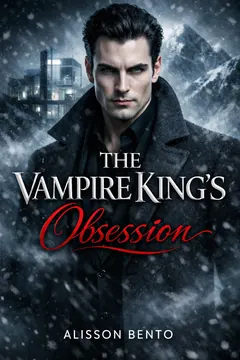
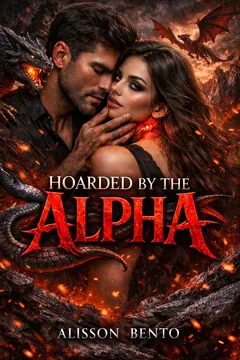
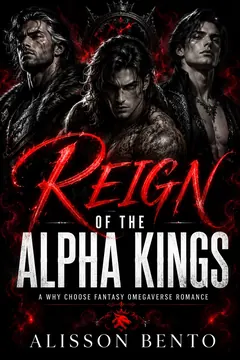
From Alisson Bento’s books
Romantasy
A vampire romance about a hero who claims her and never lets anyone forget it.
Kindle edition · Check Kindle Unlimited availability on Amazon.
Identify the two conflicts before choosing a balance
A fantasy conflict might involve protecting a magical resource, ending a curse, surviving a dangerous journey, or changing an invented political order. A romantic conflict concerns whether the adults can build the relationship they want despite incompatible goals, mistrust, duties, or fears. These are not simply action scenes on one side and kissing scenes on the other.
A negotiation can advance both arcs. A love interest may refuse a military plan because it harms the other’s community, making the external conflict harder while revealing what their affection means. Conversely, a long conversation about attraction might leave the fantasy problem untouched. Look at consequences rather than counting scene types.
The question to carry into a blurb is: what decision would resolve the central problem? If the answer is primarily learning a spell, defeating a threat, or reaching a destination, the fantasy goal may lead. If the decisive choice is whether these adults trust and commit to one another, the relationship may lead. If each answer depends on the other, you are looking for an intertwined experience.
Use the removal test without turning it into a rulebook
Imagine an invented story about two adult envoys sent from rival realms to stop a magical flood. They need to combine knowledge, reach a ruined observatory, and decide whether to cooperate with officials who distrust them. Their growing attraction is only one possible element of this hypothetical premise.
What happens if you remove the relationship?
In one version, any capable envoys could complete the mission. The pair’s romance enriches the emotional experience, but replacing it with professional cooperation leaves the major sequence intact. That suggests a fantasy-led story with a romantic subplot. You might love it if discovering the world matters more to you than watching every stage of courtship.
In another version, the adults can stop the flood only by trusting each other with secrets that could destroy their separate futures. Their developing commitment changes which solution they will accept. Remove the relationship and the central choices collapse. That suggests a more integrated or relationship-led blend, even if the book contains substantial travel and political detail.
What happens if you remove the fantasy?
Now imagine removing the magical rules. If the envoys could make essentially the same choices in an ordinary workplace, magic may provide atmosphere more than the main obstacle. If their powers, obligations, or world make the relationship possible and dangerous in specific ways, fantasy is structurally important. This test helps describe your preference; it cannot classify every story or replace reading it.
Choose what you want to anticipate between chapters
Your attention gives a better clue than a genre debate. When you close the book for the night, which unanswered question would pull you back? You might want to know who betrayed the realm, whether the travelers can survive the mountain pass, or whether the guarded envoy will finally offer trust without demanding payment.
A fantasy-led experience suits a mood in which you want discovery, strategy, and the external problem to command your attention. A relationship-led experience suits a mood in which the couple’s changing understanding needs to remain near the center. An integrated experience suits a mood in which solving the world problem should transform the relationship, and choosing the relationship should transform the solution.
- Choose fantasy emphasis if you would happily follow the mission through chapters where the romantic pair is apart.
- Choose relationship emphasis if extended separation from the romantic arc would weaken your interest, even when the world is intriguing.
- Choose an intertwined blend if you want each major magical or political decision to alter what the adults can offer each other.
These preferences can change from book to book. Wanting a simpler adventure tonight does not make you a lesser fantasy reader. Wanting a fierce romantic center does not require you to give up a convincing invented world. You are choosing where you want the story to spend your attention.
Does fantasy romance guarantee a happy ending?
Genre romance carries a conventional expectation of a central love story and an emotionally rewarding, optimistic romantic resolution. Romance Writers of America uses those features in its definition of romance fiction. That expectation helps explain why some readers reserve fantasy romance for stories that fulfill the romance contract.
Marketing and reader labels still vary, particularly across series. A term on a retailer’s page does not independently prove that the specific volume resolves its couple’s story. A book can stop with an unfinished relationship, conclude the relationship while a world conflict continues, or close one couple’s arc before following another. Those produce different stopping points.
If romantic closure is essential, seek spoiler-light information about that particular book and the series as a whole. Useful questions include whether the couple reaches a secure commitment in this volume and whether later volumes continue their relationship. You do not need the final scene described to learn whether the emotional destination fits your plans.
Likewise, a romance label does not promise marriage, a particular family structure, or the absence of future trouble. Decide whether you need a resolved romantic arc now or are willing to follow uncertainty across several books. That choice deserves its own check, independent of the balance between magic and love.
Keep spice, worldbuilding, and pace on separate axes
Is romantasy always spicy?
No. The blend tells you that fantasy and romance meet; it does not tell you how much intimate detail appears on the page. A relationship can dominate a story with limited explicitness. A fantasy-led adventure can contain detailed intimate scenes. Seek a clear description of on-page content if heat matters to your choice, and keep it separate from how central the romance is.
Worldbuilding density is another independent question. A relationship-led book may require careful attention to magical restrictions and court obligations. A fantasy-led book may explain its world through a straightforward journey. A glossary, map, or invented title is not a reliable measure of difficulty. A sample is more useful for seeing how unfamiliar information reaches you.
Pace also has several meanings. The external plot might race through escapes while the relationship develops gradually. Alternatively, the couple might recognize attraction early while political consequences unfold at a measured pace. Ask whether you want fast action, early romantic milestones, or both. Calling a book slow without specifying what moves slowly can hide a good match.
Finally, distinguish intensity from explicitness. An argument that changes a treaty can carry enormous romantic stakes without becoming an intimate scene. If you want longing, mutual respect, or dramatic commitment, name those pleasures instead of assuming a heat rating measures them.
Read the blurb for promises it can actually make
Consider this invented blurb about adult characters: an exiled cartographer must guide an enemy diplomat to a sealed city before its protective magic fails; the diplomat has the authority to restore her homeland, but doing so could abandon his own. This tells you that the journey and conflicting loyalties are connected. It does not tell you when they kiss, whether the romance resolves in one volume, or how much explicit content appears.
A relationship-focused description might emphasize what makes trusting the diplomat unbearable. A fantasy-focused description might emphasize the city’s failing defenses and the cost of the route. These are clues to emphasis, not proof of the complete structure. Notice which problem receives concrete detail and which is reduced to a vague phrase about irresistible attraction.
Then use a sample to ask whether the opening gives you a clear immediate goal, a voice you want to follow, and enough emotional context to care. An opening cannot certify the later balance. It can reveal whether world details arrive as meaningful stakes or as information you are struggling to place.
Describe your preferred blend in one useful sentence
Instead of requesting only romantasy or fantasy romance, add the balance you want: a relationship-centered fantasy with meaningful magic, a quest-led fantasy with a developing adult romance, or a political adventure where choosing love changes the outcome. That sentence gives a recommender something concrete to work with, even if they use different genre terms.
Add one separate requirement if it matters strongly, such as romantic closure in one volume, gradual emotional development, or limited on-page intimate detail. Too many vague labels can obscure the priority. Start with what you most want to feel and the uncertainty you are prepared to carry.
If the attraction you want comes specifically from an agreement with a supernatural love interest, explore the terms and trust in a fae romance bargain. If it comes from opposing loyalties, focus on how a fantasy alliance earns trust. The broad label gets you to the shelf; the specific relationship problem helps you choose the book that deserves your evening.