Enemies-to-lovers romantasy earns trust when cooperation changes what two adult opponents know about each other and what they are willing to risk. A truce stops an immediate fight; it does not erase an old injury, settle political loyalties, or prove that attraction is safe to act on. The satisfying question is what happens after they agree to survive together.
If the romance you want involves rival realms, hostile courts, or incompatible duties, watch the consequences of each new choice. An enemy can become an effective ally long before becoming a confidant. That space gives the story room for desire, disagreement, and evidence strong enough to change a conviction.
Find the allegiance that makes the alliance difficult
Fantasy can place the adult romantic leads on opposite sides of an argument larger than their personal dislike. They may serve communities that need the same resource, answer to leaders with conflicting plans, or inherit responsibilities shaped by earlier conflict. Those loyalties give their decisions weight beyond a sharp exchange.
Look for what each character believes they are protecting. A title alone does not explain the opposition. Two diplomats from different realms could share most goals, while two members of one court could disagree about who should bear the cost of a magical defense. The relevant conflict is the incompatible choice, not the different colors on their uniforms.
You can ask a simple blurb question: what would this adult lose by helping the other? The loss might involve access to information, professional standing, community trust, or a chance to accomplish the mission. If there is a concrete answer, the alliance has pressure the romance can complicate.
For the broader distinction between hostility and ordinary competition, the enemies-to-lovers versus rivals-to-lovers guide addresses the basic labels. Here the focus is the fantasy alliance: how adults who represent conflicting interests learn whether cooperation can extend beyond necessity.
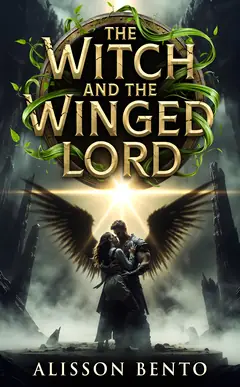
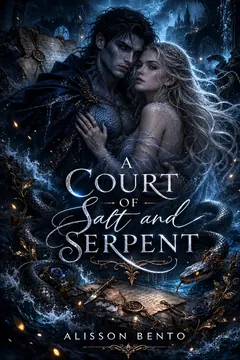
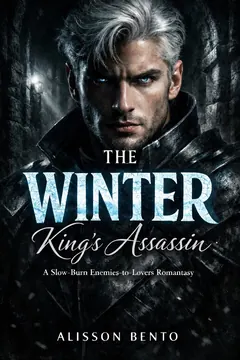
From Alisson Bento’s books
Romantasy · Enemies to Lovers
A romantasy romance about hate, sparks and the moment the line between them burns.
Kindle edition · Check Kindle Unlimited availability on Amazon.
A ceasefire gives them limits before it gives them affection
Why would real enemies cooperate?
Within an invented story, a shared threat can make temporary cooperation the least damaging available choice. A magical disaster might endanger both realms; one opponent might possess knowledge the other needs; separate missions might depend on keeping the same passage open. The agreement can be credible without either adult suddenly believing the other is admirable.
A convincing truce has a purpose. It may cover safe passage, shared information about one threat, or a promise to postpone hostilities until a task ends. Boundaries make the agreement legible. You can understand what betrayal would mean and which disagreements remain outside the ceasefire.
Does accepting a truce mean they trust each other?
No. It may mean they trust the arrangement, the consequences of breaking it, or the enemy’s interest in surviving. That is a narrow kind of confidence. An adult can believe an opponent will defend a bridge without believing they will protect a secret or support a new treaty.
For a reader who loves earned trust, this distinction creates anticipation. The next important step is not necessarily a kiss. It might be the first time one adult offers information the agreement never required, or the first time the other honors a concern they could legally ignore within the fictional arrangement.
Look for evidence rather than a sudden change of heart
Hostility becomes less convincing when a story explains it only through inherited assumptions, then treats one attractive encounter as a complete answer. Stronger evidence can show where a character’s belief was wrong, where it was partly right, and where the opponent has changed. Those are different discoveries.
Consider what the adults can observe. They can hear a promise, see whether it is kept, and learn what keeping it costs. They can compare private words with public conduct. They can discover that the enemy refuses an easy advantage even when no one would know about its use.
- Useful information reveals confidence when it makes the giver vulnerable rather than merely displaying expertise.
- A respected boundary shows how the ally handles an opportunity to exert control.
- A costly promise kept gives the other adult a reason to revise an expectation.
- A mistake admitted allows the pair to adjust the plan instead of making one person carry hidden risk.
Not every gesture must be enormous. Repeated ordinary reliability can matter alongside a dramatic choice. If one adult consistently listens when the other warns of danger, the story can build a pattern that makes later reliance feel earned. The quiet evidence supports the spectacular moment.
Follow an invented alliance through three stages
Imagine two adult envoys from hostile realms whose shared magical bridge is failing. Closing it protects one realm temporarily but strands people from the other. Keeping it open without repairs could bring the entire structure down. This is a hypothetical scenario, not the plot of a catalog book.
Stage one: practical cooperation
The envoys agree to inspect the bridge together and exchange technical findings. Each still reports to a separate council. At this stage, the alliance proves only that they can perform a task under supervision. They may respect each other’s competence while expecting political betrayal later.
Stage two: voluntary vulnerability
One envoy reveals that their realm’s protective spell has a weakness. The information helps both adults plan a repair but could also be used against the realm. The other envoy chooses to restrict its circulation. That choice matters because it protects a vulnerability the original agreement did not cover.
The revelation should not automatically make the first envoy abandon every concern. They might allow more independent cooperation while withholding unrelated secrets. Gradual trust becomes visible through a wider scope of reliance, rather than a declaration that the enemy is now perfect.
Stage three: a decision with public consequences
The councils demand incompatible solutions. The envoys propose a shared repair that requires each realm to accept some loss of control. Choosing that plan puts their growing relationship into contact with their responsibilities. Their affection does not remove the political problem; it changes how they are willing to confront it.
The romantic turn can occur when one adult refuses to buy the other’s safety by sacrificing everyone that person serves. They demonstrate that understanding the loved person’s loyalties is part of loving them. You may find that more persuasive than an impulsive promise to abandon everything.
Attraction can arrive before confidence
Desire and trust need not develop at the same speed. Two adults can recognize attraction while still questioning motives, rejecting a proposal, or refusing to share information. That mismatch can make an alliance intensely romantic: they want closeness and also have credible reasons to hesitate.
Ask whether the attraction changes their judgment or simply complicates it. A character who notices beauty while making a cautious plan feels different from a character who suddenly ignores an obvious danger because the opponent is appealing. Either can appear deliberately in fiction, but they promise different kinds of emotional tension.
The story may give readers access to both viewpoints while leaving the adults uncertain about each other. You can know that an act was sincere even when the recipient cannot. With a more limited perspective, you may have to evaluate the same evidence alongside the suspicious character. Your preferred access changes how the trust-building experience feels.
This is also separate from romantic pace. Early attraction can coexist with slow emotional commitment. For the question of whether a fantasy journey keeps that gradual relationship moving, see what gives a slow-burn fantasy quest meaningful progress.
Can they fall in love without agreeing about everything?
Yes, in a fictional romance the adults can retain different priorities while reaching a workable commitment. A satisfying change does not always mean one person adopts the other’s politics. It may mean they acknowledge harm, reject a particular order, negotiate a shared goal, or find limits they can both honor.
The remaining disagreement matters. A dispute about preferred methods might allow compromise. A dispute about whether one community deserves protection has different stakes. Watch whether the story identifies the issue that actually blocks partnership rather than treating every disagreement as equally easy to solve.
Also ask who pays for the resolution. If one adult loses every duty and relationship while the other makes a minor concession, the ending offers a particular balance of power. That may fit the story’s purpose, but it is worth recognizing if you want mutual sacrifice. Equality does not require identical losses; it does require attention to both sides.
The wider world need not instantly approve. Families, allies, or citizens may remain suspicious after the romantic pair reaches trust. Keeping those consequences alive can preserve the scale of the fantasy conflict. Personal reconciliation and public reconciliation are different developments.
A rescue or apology does not erase the record
A dramatic rescue can demonstrate care, courage, or a willingness to accept risk. It cannot automatically repair every prior decision. If an adult previously withheld information that endangered the other, the relevant question includes how they prevent that behavior from recurring.
Look for repair that matches the harm. An apology for a false accusation may need public correction when the accusation damaged standing. A promise of future honesty may need an immediate disclosure. Returning an advantage can matter when taking that advantage caused the breach. The response gains force when it addresses the specific problem.
The injured adult may accept help without accepting romance, or forgive an act without granting unlimited trust. Those partial decisions can move the arc forward. A relationship does not have to reset to hostility after every setback, and it does not have to become secure after the first sincere gesture.
If the fictional opposition involves captivity, threats, or coercive behavior between the adults, check content notes and how descriptions frame those elements. Political enemies, a dangerous alliance, and an abusive dynamic are not interchangeable shorthand. Choose the conflict you want to explore rather than expecting one trope label to establish all your boundaries.
Choose the scale of enemies-to-lovers tension you want
For a focused personal experience, look for distrust attached to one disputed act or piece of information. For a broader political experience, look for obligations that remain meaningful after the adults become attracted. For a quest experience, look for cooperation that repeatedly tests competence, judgment, and care.
A useful request might be an adult fantasy romance with a necessary alliance, conflicting loyalties, and trust demonstrated through choices. Add whether you want a resolved couple in one volume or can follow uncertainty across a series. Neither the enemies-to-lovers label nor the presence of a treaty establishes the ending or level of explicitness.
When sampling, notice whether each opponent has a clear reason for their position and whether the first interaction reveals something beyond irritation. You do not need immediate softness. You need a conflict whose changes you want to understand. The truce gets them working together; what they do with that opportunity makes their eventual closeness worth waiting for.