Paranormal romance usually makes the love story the central promise; urban fantasy usually makes a supernatural adventure the central promise. Both can feature vampires, witches, shifters, danger, and serious romantic tension. To choose between them, ask which conflict the book must resolve for its ending to feel satisfying: the relationship, the adventure, or both.
This distinction helps when you want a particular reading experience. Perhaps tonight you want two adults to choose each other after a deliciously difficult courtship. Perhaps you want to follow an investigator through a dangerous magical city, with romance adding another complication. Neither appetite is better. The useful label is the one that helps you find what you came for.
Paranormal romance vs urban fantasy: follow the central promise
In paranormal romance, supernatural elements affect a developing romantic relationship. An unusual ability might complicate trust; a hidden identity might make honesty costly; two rival communities might oppose the adults involved. The relationship is more than a reward waiting after the external plot. Its development supplies a main reason to keep turning pages.
Urban fantasy commonly organizes its story around a supernatural problem in a recognizable contemporary world. A protagonist might investigate a disappearance, defend a community, or manage the consequences of dangerous magic. A romantic connection can be substantial, tender, or fiercely intense while that larger problem still governs the book’s structure.
The useful test: what would removing the romance change?
Imagine removing the developing relationship while keeping the magical threat. Would the book lose its central conflict and emotional resolution, or would an adventure remain with one important subplot missing? This is a thought experiment, not a scoring system. A blended story may make cooperation, attraction, and defeating the threat inseparable. The test helps you notice emphasis rather than force a book into one tidy box.
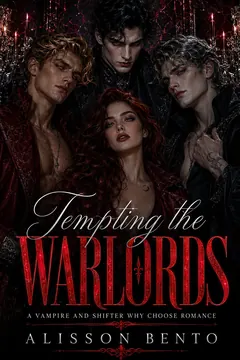
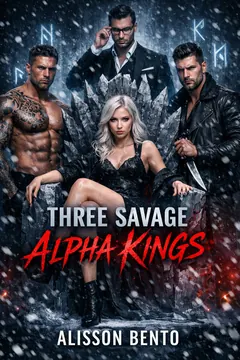
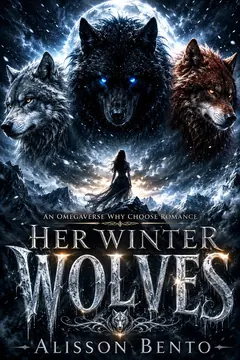
From Alisson Bento’s books
Shifter & Fated Mates · Vampire
A vampire romance about one heroine, more than one devoted hero, and no choosing.
Kindle edition · Check Kindle Unlimited availability on Amazon.
A city, a vampire, or a shifter cannot settle the genre
A contemporary city points toward setting. A vampire points toward a supernatural element. Neither tells you how the narrative spends its attention. An adult vampire running a night clinic could lead a romance about trusting a human colleague, an investigation into stolen magical supplies, or a story that gives both conflicts equal weight.
Likewise, urban fantasy is commonly associated with cities and contemporary life, but reader and publishing labels are flexible. Do not reject an adventure solely because its action moves through a small town or an invented version of the modern world. Look at the actual description of the story.
The creature is a doorway into the world, not a complete reading contract. If transformation itself interests you, the shifter romance vs werewolf romance guide examines that distinction. Here, the question is what the book does with its supernatural cast.
What does urban fantasy romance mean?
That combined label often invites you to expect both a substantial love story and a contemporary supernatural adventure, but it does not tell you their exact balance. Instead of asking which shelf wins, identify two promises: what the adventure must accomplish and what the relationship must accomplish. Then check whether this volume completes both or carries one forward.
For example, you might happily finish a book with a solved supernatural case and an unresolved courtship if you are eager to return to the protagonist. On another evening, the same balance might disappoint you because the courtship was your main reason for reading. The label has not changed; your required payoff has. Naming that preference makes a hybrid description easier to assess.
You can also distinguish a romantic subplot that occupies considerable page space from a romance that controls the ending. Page space gives you companionship and tension along the way. The central promise tells you what kind of satisfaction the destination needs to deliver.
How romantic endings change the reading decision
A story presented as genre romance generally invites an expectation of a satisfying, optimistic romantic resolution. That expectation does not tell you every event along the way, the amount of heat, or whether the surrounding world becomes peaceful. It concerns the central relationship’s destination.
An urban fantasy label by itself offers no equivalent assurance about a romantic subplot. Attraction might remain unresolved, a partnership might change, or a relationship might continue across several volumes. That flexibility can create an excellent ongoing story. It can also frustrate you if you expected romantic closure tonight.
Does every paranormal romance end with a settled couple?
Check whether the specific book completes its romantic arc or belongs to a continuing romance series. Marketing labels can overlap, and a series opening may require later volumes for the promised resolution. A clear author or publisher note about the ending is stronger evidence than a supernatural cover. If avoiding a romantic cliffhanger matters to you, make that your explicit question.
Series structure reveals what you will return for
One helpful distinction is between following a recurring protagonist and following different romantic leads in a shared world. A recurring protagonist can accumulate investigations, enemies, friendships, and relationship changes. Different couples can let each volume offer a fresh courtship while carrying forward community conflicts.
These are useful patterns, not rules that classify every series. Paranormal romance can follow the same couple across books; urban fantasy can change viewpoints. Read the description of the next volume and any available reading-order note. Ask who continues, which conflict continues, and which emotional question remains open.
- Same protagonist: check how much personal and romantic history later books assume.
- New central couple: check whether the external plot still requires earlier volumes.
- Continuing relationship: check where its main resolution occurs.
- Completed couple with an ongoing world: decide whether the remaining world conflict is an enticing invitation.
For some readers, a long acquaintance with one heroine or hero is the attraction. For others, a fresh romantic beginning is essential. Neither preference can be inferred from the number of books alone.
Two invented stories, one supernatural city
Consider an invented example with adult characters: Mara, a human night-shift investigator, and Ivo, a vampire archivist. They need to discover who has altered records protecting the city’s supernatural residents. The same cast and premise can lead to two different experiences.
Version one: the relationship carries the payoff
Mara distrusts secrecy; Ivo believes disclosure will endanger people under his protection. Their investigation forces them to negotiate what they owe each other. A discovery resolves the immediate threat, but the emotional climax is their decision to build a relationship on shared information instead of unilateral protection. Removing that decision would leave the story’s central promise unfinished. This version leans toward paranormal romance.
Version two: the investigation carries the payoff
Mara’s pursuit of the altered records organizes the main action. Ivo becomes an ally and potential love interest, but identifying the culprit resolves the volume’s central question. Their attraction may remain unsettled while the next book introduces another case. This version leans toward urban fantasy. The romance matters, yet its completion is not required for this adventure to reach its destination.
Neither version needs less action or less emotion. The difference is where the story places its decisive satisfaction. A third version could deliberately give both arcs equal importance and make a hybrid label sensible.
Read the blurb for verbs, goals, and consequences
Descriptions often supply better clues than category tags. Notice what the protagonist must do and what failure would mean. A blurb centered on accepting a bond, trusting a partner, or overcoming barriers to a shared future points toward a romantic goal. One centered on solving a case, surviving a magical uprising, or stopping a threat points toward an adventure goal.
Watch what receives the most specific explanation. A description might mention an attractive ally in one sentence while devoting the rest to an investigation. Another might sketch the supernatural danger briefly and spend its attention on why two adults cannot risk loving each other. Both could use similar mood words.
These clues are provisional. A blurb may conceal twists or emphasize only one part of a blended story. Where an ending preference is essential, seek a direct answer instead of treating your inference as certainty.
What an opening sample can tell you
A sample can reveal narrative attention. Does the opening establish an immediate practical problem, a relationship wound, or a collision between both? Do scenes linger on clues and world consequences, or on how the adults read and misread each other? The answer helps you assess emphasis and voice.
It cannot establish the entire book’s ending or future content. An adventure-heavy opening may develop a central romance later. An intensely romantic first encounter may become one thread in a much larger investigation. Use the sample to decide whether you enjoy following this viewpoint, then use descriptive and ending information for promises the opening cannot confirm.
If unfamiliar terminology distracts you, track only the rules that affect the present decision. You do not need a complete map of every supernatural institution before deciding whether a character’s immediate goal interests you.
Separate genre focus from heat, darkness, and pacing
Paranormal romance is not automatically explicit, and urban fantasy is not automatically free of intimate scenes. Romantic prominence and on-page explicitness answer different questions. A relationship can drive a restrained story; an adventure can include explicit romance without becoming primarily a romantic arc.
Likewise, dangerous supernatural creatures do not establish dark romantic dynamics. An adult vampire can behave considerately in a violent world. A seemingly ordinary love interest can create troubling relationship conflict. Read available content notes for what actually matters to your boundaries rather than letting fangs perform the entire screening process.
Slow burn also does not classify the book. A central romance can develop slowly within one volume, while a subplot can extend across a long series. Ask how much relationship development you want now and how much unresolved tension you enjoy carrying forward.
Choose the invitation that fits your reading mood
If your main wish is romantic resolution, start by checking that the relationship leads and identifying where its arc completes. If your main wish is a supernatural adventure with a recurring protagonist, check the continuing plot and reading order. If you want both, look for a description that explains both promises clearly.
You can ask a spoiler-light question such as: does this volume resolve its central romance, or does that relationship continue unresolved into the next book? That wording gets closer to your actual need than asking whether a cover looks romantic.
There is room for an investigation that becomes a courtship, a courtship that changes a city, and a series that keeps adjusting the balance. Choose the book whose main unfinished question you are eager to follow. The supernatural company may be irresistible; the kind of payoff is what makes the evening yours.