In vampire romance, immortality can change how adult partners understand time, memory, risk, and commitment. It creates more than a numerical age gap: one adult may regard a decade as brief while the other sees it as a major part of a finite life. The interesting romantic question is how they build a future that takes both perspectives seriously.
A long-lived love interest can offer devotion, mystery, and the fantasy of being remembered beyond an ordinary lifetime. The same premise can create difficult choices about transformation, separation, or whose plans take priority. Vampire rules vary by author. Read the actual terms of longevity before assuming what forever will require.
What the vampire romance immortality trope promises
The immortality trope introduces a difference in lifespan or aging that matters to the romance. A vampire may have centuries of memories, the prospect of centuries ahead, or both. A human adult may have work, relationships, and ambitions shaped by a shorter horizon. The contrast becomes meaningful when it changes their decisions.
Immortality does not automatically mean invulnerability. A fictional vampire might not age while still facing dangers under the author’s rules. Another might live an unusually long time without an unlimited lifespan. These distinctions affect what a promise of forever actually means inside the book.
Nor does the word establish sunlight restrictions, feeding rules, magical abilities, or the process of transformation. Those are separate pieces of worldbuilding. A story can explain only the rules relevant to its conflict and still make the relationship understandable. What matters is knowing enough to recognize the cost of the adults’ choices.
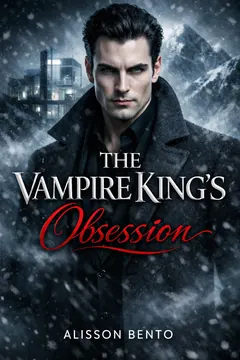
From Alisson Bento’s books
Vampire
A vampire romance about a captive bargain that turns into the only place she wants to be.
Kindle edition · Check Kindle Unlimited availability on Amazon.
When two adults value the same decade differently
Consider an invented example involving adults: June, a human architect, is preparing for a five-year project near her family. Her vampire partner, Vale, wants to spend those years traveling while a political conflict settles. Vale regards five years as a small delay before they return. June sees a rare professional opportunity and irreplaceable time with people she loves.
Their disagreement does not require either perspective to be foolish. It becomes a relationship problem if Vale assumes a shorter life makes June’s schedule less important, or if June assumes Vale’s long responsibilities cannot matter. Both need to explain what the time contains, not simply compare the number of years.
Why waiting can carry unequal costs
A delay may be easy for an adult who expects centuries and consequential for one whose plans involve changing family circumstances, limited opportunities, or aging. A vampire who asks a human partner to wait is therefore making a particular request. Notice whether the story lets the human describe the cost and whether that explanation changes the plan.
In the invented example, they might choose visits, alter the journey, or remain apart while supporting each other’s commitments. The romantic development lies in treating both calendars as real rather than asking one adult to disappear into the other’s sense of time.
Memory can be intimate without making the present a replacement
A long-lived vampire may carry relationships, homes, and identities from earlier periods of life. That history can give a romance emotional texture. The vampire might remember places that no longer exist or struggle to explain a custom the human has never encountered. Sharing those memories can become an act of trust.
But the current partner also needs room to be particular. If every preference is compared with a lost lover or a remembered era, the human may become a stand-in for someone else. You might welcome that conflict if the story works through it, or prefer a romance where the vampire’s attention rests more fully on the present.
Must an immortal character be lonely or grieving?
No. Those are possible interpretations of long life, not compulsory personality traits. A fictional vampire could have lasting friendships, a lively community, or considerable pleasure in change. Another could be isolated. The story’s history and characterization should establish the response rather than expect you to assume centuries always produce one mood.
When memory is central, ask what the adult does with it. Does sharing history deepen connection? Does secrecy keep the partner at a distance? Does the vampire learn something new rather than treat experience as proof that every future is already known?
Devotion across time needs a living relationship
The fantasy of enduring love can be powerful: an adult chooses the same partner through many changes instead of merely through one dramatic moment. Yet longevity alone does not show how the relationship stays meaningful. The interesting details are what the adults continue learning and how they respond when their lives change.
Two partners might renew a shared ritual, allow independent projects, or revise an agreement that once suited them. A human may change careers; an immortal may reconsider an old obligation. Neither change has to weaken commitment. It can reveal whether devotion includes curiosity about the person the partner is becoming.
That distinction helps you choose between different forever fantasies. You may want a fiercely constant attachment, a relationship that adapts through repeated decisions, or a story that tests whether those desires can coexist. Look for the specific promise rather than assuming that an immortal character automatically offers sustained emotional attention.
Intensity is separate from duration. A dramatic declaration can be thrilling, but it does not explain the practical shape of a shared life. A quiet decision to make room for a partner’s plans may tell you more about the form of commitment the story offers.
Does the human have to become a vampire?
No universal vampire-romance rule requires transformation. A story might let a human remain human, offer transformation, invent a different way to align lifespans, or leave the long-term question open. The chosen ending belongs to that story. If transformation is essential to your preferred romantic fantasy, check it directly.
The offer: what future is actually being proposed?
Becoming a vampire may change much more than lifespan. Depending on the invented world, it could alter everyday routines, family contact, community membership, vulnerabilities, or access to abilities. An offer of forever becomes clearer when those changes are explained. A character agreeing to longer life may also be agreeing to a very different life.
The information: what does the human know?
If the choice is consequential, notice whether the adult receives relevant facts before deciding. Do they understand what can change and what cannot be reversed? Can they ask someone besides the romantic partner? A story can create tension through uncertainty, but it helps to know whether uncertainty is acknowledged or simply passed over.
The timing: is there space for a decision?
Urgent fictional circumstances may restrict time, and that restriction can be part of the plot. A calmer story might allow the human to consider the offer over months. These situations create different emotional experiences. If deliberate choice matters to you, look for what the character can weigh and whether their own goals receive attention.
This is a reading question about invented mechanisms, not a claim about real transformation or health. The broader human and supernatural romance guide discusses access to information; here, the concern is a decision that changes the future’s length and shape.
Can unequal lifespans support a satisfying romance?
They can, depending on the emotional promise and ending you want. A story might give adults a deeply chosen shared present without making their lifespans equal. Another might make permanent alignment part of the romantic resolution. Neither premise tells you whether the actual ending is hopeful, bittersweet, or tragic.
Keep romantic stability separate from how many years the characters can spend together. A couple could make a clear commitment while facing unequal lifespans. A story could also show equal longevity while leaving their relationship unresolved. Matching lifespans is one possible event; it is not a complete description of romantic closure.
If grief or eventual separation would spoil your reading mood, seek ending information from the author or publisher, or a clearly marked spoiler-light review. You do not need every plot turn revealed to ask whether the story offers an optimistic romantic ending and whether unequal lifespan remains a major unresolved concern.
A vampire label alone cannot answer those questions. Decide whether tonight you want the comfort of continued time together or are willing to follow a story that gives the limits of time more attention.
Two immortal partners can still have different histories
Removing the mortal-immortal contrast does not remove time from the relationship. Two adult vampires might have different ages, different experiences of transformation, or different expectations about settling down. A newly transformed adult could still need to learn a world an older partner takes for granted.
The important difference is what the history changes. One vampire may have strong ties to a long-standing community; another may be eager to create a new identity. They might disagree about leaving a home, preserving a tradition, or accepting a responsibility. Neither needs to be human for those choices to create romantic tension.
Conversely, two adults with similarly long histories may find comfort in shared understanding. The appeal could be mutual recognition rather than instruction. If you prefer partners who begin with comparable familiarity, look for that premise explicitly instead of assuming every vampire romance pairs an ancient immortal with a human newcomer.
Immortality does not set the book’s darkness or heat
A long lifespan can support playful everyday complications, reflective tenderness, gothic atmosphere, or troubling relationship dynamics. Those tones are different choices. You can enjoy an ancient vampire discovering a new hobby as easily as one confronting an old secret, depending on what the book promises.
Also separate supernatural danger from how the romantic adults treat each other. A dangerous world can contain a considerate partnership; an apparently comfortable setting can contain manipulation. The monster romance vs dark romance guide explores why creature appearance cannot set relationship boundaries.
Check heat and content notes directly where available. Centuries of history do not establish explicitness, and immortality does not make every romance tragic. You are choosing a tone, a treatment of time, and a relationship dynamic as well as a creature.
Read for whose future gets to matter
Before choosing, identify the time conflict that interests you most. Is it an immortal learning to honor a human’s finite plans? Two long-lived adults rediscovering each other? A human considering transformation? Or devotion maintained while lifespan remains unequal? Each offers a different reason to care.
- What does immortality mean under this story’s rules?
- Which adult must change plans, and what do those plans mean to them?
- Does history deepen the present relationship or keep replacing it?
- Is transformation available, desired, and understood?
- Where does the book resolve its central romantic future?
You need enough answers to recognize the invitation, not a complete supernatural encyclopedia. The most compelling forever is specific: it includes somebody’s work, friendships, habits, hopes, and freedom to change. Look for the romance that lets both adults describe what their time is worth and then gives that understanding consequences.