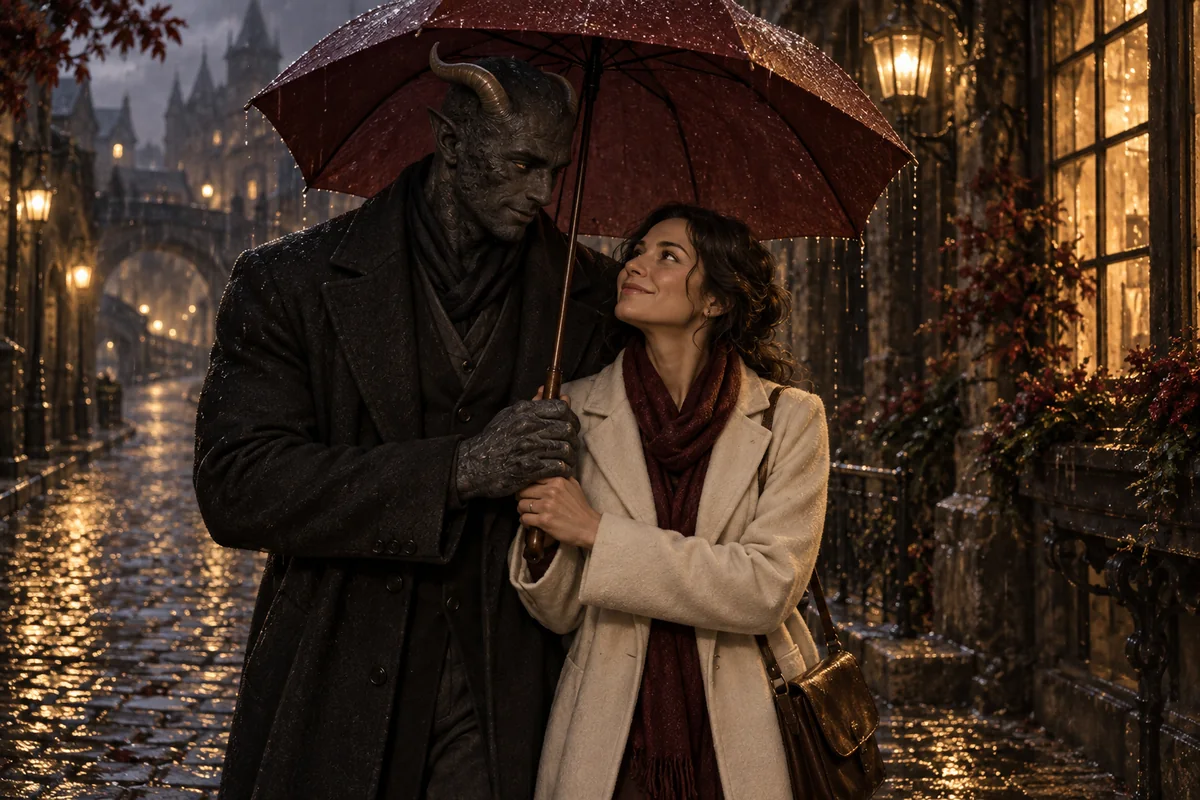
Monster romance features a nonhuman love interest commonly presented as monstrous. Dark romance concerns troubling themes, morally difficult behavior, or challenging relationship dynamics. They can overlap, but they describe different ingredients. A frightening-looking creature can be a considerate partner; an entirely human love interest can make a romance dark.
The useful question is what creates the tension you want. Is it an unfamiliar body or culture? A dangerous relationship? The contrast between an intimidating appearance and an unexpectedly gentle manner? Separating those possibilities helps you choose a book that delivers your desired fantasy without assuming a pair of horns tells the whole story.
What makes a book a monster romance?
The monster label directs attention toward the love interest’s nonhuman identity and the relationship built around it. That difference may shape how the adults communicate, share a space, move through society, or imagine a future. The creature may be feared by other characters even when their private behavior is affectionate.
Reader and publisher usage varies, particularly where monster, alien, paranormal, and fantasy romance meet. Some descriptions emphasize visibly nonhuman features; others emphasize how the world regards the character. A shelf label is a starting point. Read the premise to discover which particular difference the story makes important.
Does the monster have to become human?
No. A story can make acceptance meaningful precisely because the nonhuman adult remains nonhuman. A transformation may belong to another book’s plot, but it is not a requirement you should import. If keeping the creature’s difference matters to you, look for spoiler-light information about that premise rather than assuming a familiar fairy-tale resolution.
You may want the adults to learn each other’s customs without erasing either identity. Another reader may enjoy transformation as a metaphor within fiction. Both preferences are specific enough to guide a search. Neither follows automatically from the word monster, and neither tells you how explicit the book will be.
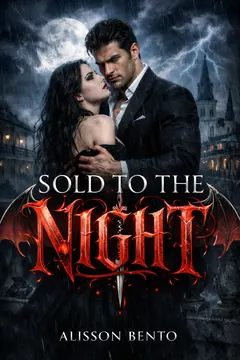
From Alisson Bento’s books
Vampire · Dark Romance
A vampire romance about a captive bargain that turns into the only place she wants to be.
Kindle edition · Check Kindle Unlimited availability on Amazon.
What makes dark romance dark?
Darkness can come from coercive or restrictive dynamics, obsessive behavior, harmful acts, morally difficult choices, or intense material that affects the romantic relationship. The exact mixture differs by book. It is more useful to ask what the characters do and what they face than to treat dark as one standardized level.
External danger deserves a separate question. Adults can have a supportive relationship while a hostile world threatens them. That can create suspense and distress without making their conduct toward each other the main source of darkness. Other books deliberately make attraction and relational danger inseparable. Those reading experiences are different.
Is every dangerous setting a dark romance?
No. A setting full of enemies, curses, or predators does not by itself establish the relationship’s dynamics. Think about where the danger points. Is the couple united against a threat, or is one partner also the source of restriction and fear? A book can combine both, but the distinction is still useful.
Horror adds another dimension: whether the story seeks to frighten the reader. Book Riot’s discussion of horromance distinguishes fear from monster characters and dark themes. That supports a practical reading rule: ask about the intended mood instead of assuming every supernatural threat produces the same experience.
Compare four combinations without trusting appearances
These invented premises all involve adults. They illustrate how creature identity and relationship darkness can move independently. None describes an actual published book, and none establishes the full content of a story from a single sentence.
A gentle monster romance
An adult creature with stone-like skin runs a repair shop. An adult human neighbor asks for help restoring an old music cabinet. Their attraction grows through patient work, awkward jokes, and adjustments that let both share the workshop comfortably. The creature’s appearance supplies unfamiliarity, while their considerate behavior supplies warmth.
The obstacle could be social mistrust or the adults’ reluctance to risk friendship. It need not involve cruelty between them. This is the combination to investigate when you want difference, tenderness, and belonging. Still check explicitness and difficult background material separately: gentle romantic conduct does not make every other content question disappear.
A dark romance with human characters
Two adult humans become involved after one conceals information that limits the other’s ability to leave a dangerous arrangement. Attraction develops alongside betrayal and a struggle over control. There are no supernatural bodies, yet the romantic conflict is morally difficult because important choices are being restricted.
This premise shows why “monster” cannot serve as a synonym for harmful conduct. The darkness comes from the relationship and circumstances. A reader interested in that fictional tension can seek it directly, while a reader who avoids it can examine the actual content notes rather than judging by species.
A dark monster romance
An adult nonhuman ruler offers shelter to an adult traveler but conceals the conditions attached to staying. The ruler’s unfamiliar powers and restrictive bargain both affect the relationship. Here, creature difference and difficult power dynamics intersect. The combination can create a fierce fantasy, with its specific boundaries requiring direct attention.
Knowing that the character is nonhuman does not explain whether the bargain can be refused, what happens after a refusal, or how the narrative handles betrayal. Those are the questions that identify the darkness. A striking creature design gives no reliable answer to them.
A suspenseful relationship with mutual care
Two adult partners, one human and one nonhuman, must cross a city that fears the creature. They disagree about the route but share relevant information and make the decision together. The world is dangerous; their relationship offers trust within it. You may want precisely that contrast rather than danger coming from the beloved.
These examples are tools for naming your appetite. “Intimidating monster, considerate partner, hostile society” is much clearer than “dark-looking cover, hopefully sweet.” The clearer preference lets you inspect a blurb for evidence instead of gambling on aesthetic shorthand.
Does monster romance always mean high spice?
No. Nonhuman identity does not set a universal level of on-page sexual detail. A monster romance can focus on courtship and emotional closeness, or include explicit adult scenes. Descriptions of unusual anatomy do not tell you the frequency or detail of those scenes across every book.
Separate at least three questions: how soon attraction develops, how much intimate detail appears, and how intense the emotional conflict feels. A tender relationship can have high explicitness. A difficult relationship can have little on-page intimacy. Fast attraction can still require a long, complicated journey toward trust.
Look for a defined heat description or concrete content note if that information matters. Review icons are useful only when you understand the reviewer’s scale. A sample can reveal voice and initial chemistry, but later intimate material may not appear in the opening. Do not make the excerpt carry a promise it cannot establish.
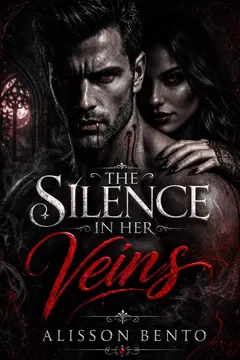
From Alisson Bento’s books
Vampire · Dark Romance
A vampire romance about a hero who claims her and never lets anyone forget it.
Kindle edition · Check Kindle Unlimited availability on Amazon.
How can a frightening creature feel romantically safe?
Within fiction, the answer lies in behavior and in the choices available to the adults. A character may look intimidating but explain an unfamiliar custom, ask before entering another person’s space, and accept a declined invitation. The scene creates discovery without making appearance itself a moral verdict.
Notice what happens when needs conflict. Does the creature adjust a shared environment, discuss alternatives, and show curiosity about the human’s priorities? Does the human also make room for the nonhuman partner’s needs? Care becomes more convincing when accommodation runs both ways rather than demanding that only one adult adapt.
This does not require every monster romance to offer the same reassuring experience. Some books deliberately explore frightening intimacy or disturbing choices. The point is to read those intentions accurately. Wanting tenderness from a monster and wanting darkness from a monster are both possible fictional preferences; they are different requests.
Which content notes help distinguish the two?
Start with the themes that would materially affect your choice. You may care about captivity, coercion, stalking, violence, bodily transformation, grief, or social persecution. Ask whether those appear between romantic partners, in backstory, or through an external antagonist. Placement can matter as much as the topic’s presence.
- For relational boundaries: look for information about freedom to refuse, leave, or negotiate.
- For tone: distinguish playful strangeness, tenderness, dread, and deliberately disturbing tension.
- For heat: seek an actual description of explicitness rather than equating creature features with spice.
- For closure: check whether the romantic arc resolves in this book or continues.
Content notes need not reveal every plot event to be helpful. A broad thematic description may answer your question without naming who does what. If the information remains unclear and the boundary is important, choose a book with clearer guidance. An enticing premise does not oblige you to read through a mismatch.
Humor also does not cancel difficult material. Book Riot’s discussion of cozy dark romance explores combinations of dark topics and comedy. That is a reminder to inspect the actual ingredients: amusing dialogue can sit beside conduct you prefer to avoid, just as a gloomy setting can contain a caring relationship.
Specific placement can help you refine a recommendation request. “Violence from an external enemy, but no threats between partners” describes a different preference from “morally difficult attraction with negotiated intimacy.” Another reader may be comfortable with both. These descriptions let you ask for the experience itself without debating whether a cover deserves a broad label. If a note is ambiguous, keep the uncertainty attached to that theme rather than assuming the whole book must be either gentle or dark.
A spoiler-light method for choosing your next read
Read the blurb once for identity: who are the adults, and what makes the nonhuman character different? Read it again for the romantic obstacle: what prevents trust or commitment? Then read available content information for boundaries. This approach separates the creature fantasy from the relationship experience.
Try completing a simple sentence: “I want an unfamiliar love interest, with a relationship that feels ___, and I am comfortable with ___.” Warmth, mutual suspicion, obsessive tension, and negotiated trust create different answers. You can leave species open while being exact about the dynamic that matters most.
If the intriguing part is how a human learns supernatural rules, the next useful reading lens is information and power in human-and-supernatural romance. That question examines discovery and informed choice in more detail. Here, the central comparison remains creature identity versus relationship darkness.
Finally, taste the voice through an available sample. Does the humor land? Does the nonhuman adult feel like a character with wants and limits? Does the attraction develop through recognizable choices? Keep your separate notes about tone, heat, and ending beside that impression. Your next favorite can be strange, tender, frightening, or complicated; the labels become useful when they explain which kind of experience you are choosing.