The emotional stakes in marriage of convenience romance rise when the original agreement no longer describes what the adults want. Practical terms can settle public appearances, shared rooms, or an expected end date. They cannot tell someone how to ask for affection that was never promised. The delicious tension comes from watching a character realize that fulfilling the bargain is no longer enough.
To choose this trope well, identify the initial limits and the desire that challenges them. Do you want quiet domestic intimacy, a deadline that makes every evening precious, or one spouse falling first while the other keeps trusting the old rules? Those are different emotional experiences, even when the books begin with the same practical wedding.
The original marriage agreement creates the emotional baseline
A marriage of convenience begins, in this fictional trope, with a practical purpose rather than an established shared romantic commitment. The reason matters because it explains why these particular adults accept an arrangement they might otherwise avoid. It also tells you what they think they are getting and what they believe they can safely withhold.
A strong baseline does not require pages of contract language. A few clear expectations can make later choices meaningful: attending events together, preserving private space, keeping finances separate, or staying until a particular obligation is complete. These are fictional story terms, not instructions about actual marriage agreements.
Ask what each character gains and what each risks. If one adult has a clear reason and the other seems present only to make the premise work, the emotional exchange may feel thin. The richest tension comes when both have understandable priorities that attraction complicates rather than immediately replaces.
Knowing the baseline also prevents every small gesture from meaning the same thing. Preparing dinner could be an agreed household task. Preparing a favorite meal after noticing a difficult day could be chosen care. The difference depends on what the couple initially promised.

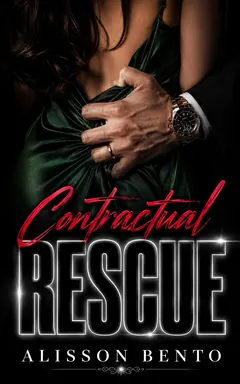
From Alisson Bento’s books
Owned by the Greek Billionaire
Marriage of Convenience · Billionaire & CEO
A billionaire romance about a contract marriage that was never supposed to mean anything.
Kindle edition · Check Kindle Unlimited availability on Amazon.
Which terms create the strongest romantic anticipation?
For a reader, the useful terms are the ones that affect behavior. A boundary around private time makes an invitation matter. An agreed finish date makes a conversation about next year awkward. A rule about public appearances makes a private act of support stand out because nobody required it.
Distance: what happens after the audience leaves?
Two fictional spouses might agree to act affectionate at social events while living independently at home. If one later wants company on an ordinary evening, the request crosses an emotional line. They are no longer asking the other adult to help maintain appearances; they are asking to be wanted without a practical excuse.
This version suits a mood for small shifts and careful uncertainty. The romantic signal may be a lingering conversation, a shared routine, or someone staying when they could leave. The quietness is part of the pleasure.
Duration: what changes when the end date approaches?
A deadline turns the future into a question. A spouse can enjoy the current arrangement while assuming it will end. The other can privately begin planning a life beyond it. Both may behave affectionately, yet attach different meanings to the same scene.
Look for whether the premise emphasizes departure, completion of a condition, or a temporary period. A deadline does not guarantee a breakup. It gives the story a point at which continuing requires a fresh choice.
Privacy: who is allowed to know the feelings?
Public and private expectations can move at different speeds. Relatives may believe the couple is devoted while the spouses still consider themselves practical partners. Conversely, the adults may develop real affection while feeling unable to explain their original arrangement. The emotional pressure comes from the gap between the visible marriage and its changing private meaning.
Does falling in love automatically rewrite the bargain?
No. A character’s feelings can change without changing the other adult’s understanding. Attraction also does not turn an agreed boundary into unlimited permission. This is where a marriage of convenience can become especially tender or especially angsty: someone has to risk making a new request.
A protagonist might think, “We already live together, so surely this means something.” The other might think, “We promised to make this comfortable, so I am doing what we agreed.” The behaviors are shared; the interpretations are not. Readers can ache over that mismatch without the story treating either assumption as a finished conversation.
Watch for new decisions, not just warmer scenes. Has someone asked to stay longer? Has the meaning of a shared room changed? Has one adult explained that a habit now matters personally? When expectations become explicit, the couple has something real to accept, question, or renegotiate.
This distinction also helps with a common frustration: a character can be drawn to their spouse while still wanting independent space. Desire and distance are not automatically opposites. The tension becomes more specific when the story explains what that distance protects.
An invented evening that moves beyond practical marriage
Imagine an adult couple, Noor and Ellis, who marry for a fictional family arrangement. This is an invented example, not a plot summary. They agree to attend monthly dinners together and keep their other evenings separate. Noor values her quiet time; Ellis expects the arrangement to be temporary and avoids promising more.
After several months, Ellis begins making tea before Noor returns from a demanding rehearsal. At first, Noor treats it as a considerate household gesture. Later, she realizes she looks forward to their ten-minute conversation more than to the public events they are obliged to attend.
The change becomes visible on an evening when Ellis plans to go out. Noor wants him to stay, but asking feels dangerous. The old agreement gives her a spouse at dinner parties; it does not give her a claim on this ordinary night. A practical title cannot answer a personal question.
Why an optional invitation carries more weight
Noor could remind Ellis of their public role, but that would not address what she wants. Instead, she asks whether he would like to spend the evening with her simply because he enjoys it. Ellis now has a different choice to make. Saying yes may reveal curiosity or affection, but it does not settle their entire future.
The scene gives the reader a concrete emotional step: a routine creates attachment, attachment creates a want, and the want requires a request outside the original terms. The romantic development is not that Noor acquires more control. It is that both adults can begin choosing intimacy for a new reason.
If this is your favorite kind of tension, look for descriptions emphasizing daily life, gradual trust, and care outside the bargain. If you prefer a dramatic deadline, this quiet version may not supply the intensity you want.
Can one spouse fall first without making the other cold?
Yes. Unequal timing can create longing without making the slower character cruel or incapable of love. One adult may recognize affection quickly; the other may need evidence that kindness is personal rather than part of the arrangement. Their starting expectations can explain the hesitation.
A reader request about a practical marriage asks for the husband to fall first. Another asks to see pretend feelings develop gradually. These individual preferences highlight separate questions: who recognizes the change first, and how much development the reader sees.
For the falling-first version, notice what the character does with that knowledge. Do they quietly become more attentive, attempt a direct conversation, or behave possessively while refusing to name their wish? Those choices produce very different tones. Jealousy can reveal a feeling, but it cannot by itself create a mutual commitment.
For a slower version, watch whether trust accumulates through different experiences. Repeating the same denial after identical scenes may feel static. New information, a changed risk, or a more honest request can make delayed recognition feel like movement rather than postponement.
What if the convenient marriage actually ends?
A practical arrangement can reach its planned ending before the adults understand what they want next. That possibility changes the reading experience: instead of simply extending a comfortable routine, the characters must decide whether to seek each other after the original reason disappears.
A reader request specifically seeks arrangements that end before a reunion. It is evidence of that reader’s desired arc, not a claim that all marriage of convenience romances use a separation. You can prefer either version.
If separation is central to your mood, check descriptions or spoiler-light reviews for that structure. Some stories offer a short rupture; others spend substantial time apart. A book can promise angst without telling you which kind, so ask for the level of detail you actually want.
An ending deadline also makes an optional future clearer. Once the original incentive is gone, what remains? Affection, companionship, shared plans, or simply fear of losing a comfortable arrangement? The story may explore several answers, but an earned commitment needs to address the distinction it raised.
Read for renegotiation rather than a louder performance
A couple can become excellent at appearing married without becoming honest with each other. Remembering a public story, coordinating clothes, or answering relatives smoothly demonstrates teamwork. Emotional development asks what happens when a choice is no longer about preserving that appearance.
You might look for a spouse defending the other’s private ambition, admitting that an exit now hurts, or asking about a future neither initially promised. These are useful signals because they require something beyond improved performance. The desired relationship becomes a subject the adults can discuss.
If you want to compare public performances before marriage, the fake engagement versus fake dating guide considers the audience’s expectations. Here the narrower focus is what changes inside an actual practical marriage once its agreed emotional distance becomes difficult to maintain.
Do not infer forced marriage from convenient marriage, or assume every arranged marriage is transactional. Read the particular premise for who chooses the arrangement and what alternatives exist. Check troubling content separately if a story deliberately makes those choices constrained.
A reader’s checklist for the emotional stakes you want
Before choosing, name the kind of change you hope to follow. Domestic tenderness asks whether ordinary life becomes precious. Pining asks who wants more but cannot say it. Deadline tension asks what happens when time runs out. A second attempt asks whether the couple returns after the practical reason has ended.
- Identify the reason: why do both adults accept the marriage?
- Find the limits: what closeness or future have they initially excluded?
- Look for the new want: what cannot honestly be claimed under the old agreement?
- Check the tone: is renegotiation playful, tender, painful, or deliberately unsettling?
- Confirm other preferences: heat, content boundaries, and ending information need their own checks.
The most persuasive turning point may be wonderfully small: a spouse asking for an evening they are not owed, and hearing an answer freely given. Choose the practical premise that makes that change matter to you. The marriage supplies the starting structure; the romance shows what the adults choose when they need something the original terms never offered.