Cowboy romance usually points toward a cowboy-associated character or ranch world; Western romance points toward a broader regional and genre setting. The terms overlap, and neither reliably tells you the era. A Western romance may be contemporary, while a cowboy story may take place in the past. Check when the adults live, what they do, and how central their relationship is.
If you want present-day ranch life, a historical frontier courtship may offer a different pleasure. If you want a past-era Western atmosphere, a modern rodeo setting may not meet that wish. A hat on the cover can invite you in, but the premise should tell you which world you are entering.
Cowboy romance vs Western romance: where the labels overlap
The cowboy label often directs attention toward the protagonists’ roles and surroundings. The central adult might work on a ranch, participate in a rodeo-associated world, or have a life strongly connected to that setting. The romantic appeal can involve daily responsibilities, attachment to a place, and the tension between familiar routines and a new relationship.
Western is a wider setting and genre clue. It can frame stories involving ranches and cowboy-associated characters, but the central adults may hold other roles. A shopkeeper, a professional arriving for a temporary assignment, or a person inheriting a local business might fall in love inside a Western setting without performing cowboy work.
Are the two terms interchangeable?
Sometimes they are used together because the same book offers both. That overlap does not make them exact synonyms in every description. Treat each label as an invitation to investigate the premise, rather than a complete specification of the characters, landscape, or plot.
Harlequin itself uses a Western and Cowboy Romance category. Its Western Romance January 2018 collection is described as contemporary. These publisher examples demonstrate the overlap and show why “Western” should not automatically be read as “historical.” They do not establish every publisher’s terminology.
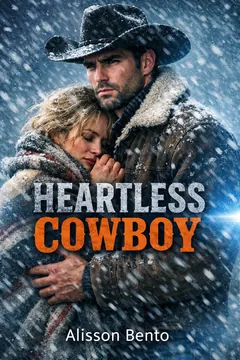
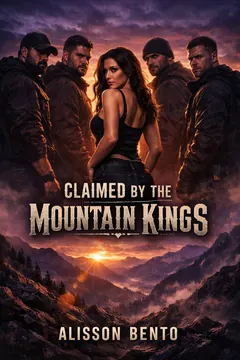
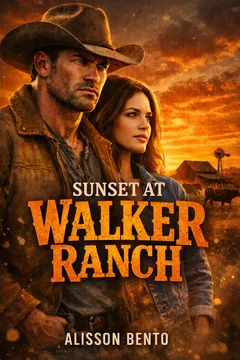
From Alisson Bento’s books
Cowboy & Western
A cowboy romance about a single dad who never planned to fall again.
Kindle edition · Check Kindle Unlimited availability on Amazon.
Choose contemporary or historical before choosing the hat
Era is one of the strongest practical differences between possible reading experiences. A contemporary premise may mention present-day jobs, modern communication, or a current family business. A historical description may identify a year, a past period, or circumstances that clearly place the adults in an earlier world.
Neither era automatically determines intensity. A historical courtship can be quiet and relationship-focused. A modern ranch romance can contain serious danger. Likewise, neither tells you whether the book is open-door or closed-door. Era, tone, and explicitness are separate questions even when a listing presents them beside one another.
How can you tell which era a book uses?
Start with the official description and categories. Look for an explicit time period rather than relying on a landscape that could appear in either era. If the description remains vague, the opening sample may give concrete clues, such as how the adults travel, communicate, or organize their work.
For an invented comparison, one premise follows adult partners navigating a present-day ranch inheritance while coordinating separate careers. Another follows adult strangers negotiating a shared future in an earlier fictional settlement. Both may feature open land and a ranch, but the practical choices surrounding the relationship differ.
Read the work role, not a personality stereotype
A cowboy-associated character is not automatically stern, dominant, emotionally silent, or unusually protective. Those are possible character traits, not requirements created by the job. An adult may be sociable, anxious about a new responsibility, patient with a colleague, or determined to leave the family business. The description should offer individual motives.
The same principle applies to a cowgirl or another adult whose work places them inside the ranch world. Expertise does not determine gender, relationship structure, or temperament. Read for who makes decisions, what each protagonist wants, and how the story gives both adults room to matter.
Does cowboy romance always have a ranch-owner hero?
No. The label can describe a wider world than that single setup. The lead could be an employee, a returning relative, or someone linked to a different part of the setting. The other romantic lead might be equally involved in the work or bring an independent career and perspective.
If ownership or a reporting relationship is part of the premise, notice it directly. “Ranch owner and temporary employee” creates different stakes from “two neighboring business owners.” You do not need to assume every cowboy book uses the same power arrangement simply because the covers share familiar imagery.
A Western setting is more than a checklist of scenery
Horses, wide skies, dusty roads, and weathered buildings can establish atmosphere, but the more useful question is how the place shapes the adults’ lives. Does staying mean accepting a family responsibility? Does leaving mean giving up a project one protagonist loves? Is the landscape connected to a livelihood or merely the backdrop for a holiday?
Specific stakes make the setting consequential. An invented adult shop owner might want to expand a business while a neighboring ranch worker hopes to change careers. Their romance can ask whether two different futures still fit inside the same community. Neither character needs to embody a stock idea of toughness for the setting to matter.
Does a cowboy romance have to spend every scene on a ranch? No. A story can move through town, family gatherings, or other workplaces while maintaining a strong connection to that world. If hands-on shared duties are your main attraction, however, look for them in the premise rather than expecting the label to guarantee them.
Country and region should also be checked in the description. Do not use a general label to infer an exact location, cultural perspective, or historical account. Fictional rural life is a constructed story world, and one novel cannot stand in for every community associated with a broad setting.
Western romance and a Western with romance promise different priorities
If the relationship is your reason for reading, establish that it is central. A Western adventure can include attraction or a love subplot while focusing primarily on another conflict. A romance places the developing relationship at the heart of the reading invitation. Similar scenery does not settle that distinction.
Read the blurb for the main dramatic question. Does it ask how the adult couple can build a future together, or mainly whether a protagonist can survive a journey, solve a crime, or win a conflict? Several plots can coexist, but the emphasis helps you decide what you will spend most of the book following.
How do you avoid an unexpected ending? Check the author’s or publisher’s description for the relationship outcome and series continuity where that information is provided. If a satisfying couple resolution is essential, seek that promise directly. A cover showing two people does not tell you whether their story ends in this installment.
This is a reading-choice distinction, not a judgment of literary value. A powerful Western with a tragic love subplot can be excellent and still miss the experience you wanted when you searched for romance. Matching the central promise matters more than defending a label.
Relationship tropes are a second layer of the search
Once the world and era appeal to you, identify the relationship dynamic. Cowboy and Western settings can host strangers meeting, former adult partners reconnecting, rivals learning respect, or friends reassessing an established bond. The landscape does not prescribe which romantic problem the adults must solve.
For example, an invented contemporary ranch premise could follow two adults who have never met before a business collaboration. Another could bring former adult lovers together after separate careers. Both use the same broad setting, but one builds new trust and the other has a shared romantic history to revisit.
Returning to town is also separate from reconciling with an ex. A character might come home and fall for someone new. If that distinction affects your choice, the guide to returning home and second-chance romance explains which kind of history the premise asks you to follow.
Does cowboy romance mean small-town romance? It can overlap with that setting, but a ranch-based story might focus on an isolated property, travel, or a broader area. Conversely, a small-town romance might never involve ranch work. Keep community scale separate from the protagonists’ occupations.
Build a reading request that names your strongest preferences
A precise request need not become a long list of compulsory details. Start with the era and one setting feature you care about, then add the relationship dynamic. That gives a recommendation a useful shape without excluding every book whose supporting elements differ slightly.
- For a present-day working world: ask for contemporary cowboy romance where the ranch affects the adults’ decisions.
- For a past-era atmosphere: ask for historical Western romance and check the stated period in each description.
- For a particular courtship: add second chance, friends to lovers, or another dynamic you want to read.
- For a mood: state whether you prefer reassuring warmth, heavier emotional conflict, or external suspense.
- For content boundaries: check intimacy presentation and important subjects independently of the setting.
These are suggested search combinations, not measured search terms or guarantees about the results. If you need one characteristic and merely enjoy another, say so. “Contemporary is essential; a ranch setting is preferred” leaves more room than treating every word as equally important.
When a listing leaves the era unclear, keep that uncertainty specific. You might know the romantic dynamic and enjoy the apparent tone while still lacking the one detail that determines your choice. Look for a publisher or author description that resolves it. You do not need to reconstruct the entire book from its cover or invent a rule about what all Western stories must contain. A clear setting fact is more helpful than another broad adjective.
Use a short description check before committing
Try a simple five-part check: era, protagonists’ roles, central romantic obstacle, tone, and continuity. If you can answer those questions from the available information, the setting label has done its job. If one answer is unclear and matters to you, investigate that specific point instead of guessing from the cover.
A sample can help with voice and the feel of the adult characters’ interactions. Does the setting seem woven into their concerns? Do you enjoy their dialogue? Do their goals feel distinct? You are checking the reading experience, not testing the story against a technical ranch manual.
Remember that a sample cannot establish every later theme or intimate scene. Keep any important content preference attached to the exact book, and use available author or publisher notes for information outside the opening. Marketing words such as rugged or heartwarming may help with atmosphere while leaving particular boundaries unanswered.
The cowboy romance catalog offers a starting place once you know the world you want. Let the individual premise do the final work. Choose the adults, era, and relationship conflict that make the landscape meaningful, and the familiar setting becomes an invitation with substance behind it.