If you want a slow-burn fantasy romance with a closed-door label from the author, start with Christa M. Blake’s A Crown of Severed Vows. If you’re looking for something gentler, Sarah Beth Durst’s The Spellshop and J. Penner’s A Fellowship of Bakers & Magic offer cozy fantasy settings with room for romance. Start with their samples for the tone and the balance between the romance and the fantasy plot. If you have a firm limit on sexual content, look for a separate note on the exact book before buying or borrowing either one.
Adult characters, closed-door intimacy and a romance that drives the story are three different things to look for. You can read a novel about a librarian rebuilding her livelihood and still find that the relationship takes a quieter place than you expected. You can also have a romance with a tense, high-stakes magical plot where the author keeps sex off the page. Start by deciding whether the relationship needs to be the reason you keep reading. Then decide what you need to know about the scenes before you open the book.
A closed-door slow burn with a magical bargain
Christa M. Blake describes The Unbound Trilogy as a closed-door slow burn. A Crown of Severed Vows is the first book. Wren makes a living cutting curses. A job goes wrong and binds her to a fae lord. There’s a clear reason for the two people to remain in each other’s lives after the first encounter, even if it would be more convenient to walk away. Open the sample if you like the idea of a person whose professional skill matters just as much as what she feels for the person in front of her.
A magical connection can give a couple a lot of contact very early without requiring them to trust each other. In an imagined example, a spell lets someone feel an injury from across a room. They can have good reason to ask what happened and still be reluctant to explain why it matters to them. If you enjoy that kind of tension, read the sample until you see what a character is prepared to say freely. The first conversation the pair could avoid and chooses to have anyway can tell you more about the romance than the spell that put them together.
Take care to match Blake’s book and series names. On the same page, the author also describes the Keeper Duet as spicier. Even if you trust a recommendation for one series, it’s worth checking the listing again before assuming another book by the same writer has the same approach. The relevant evidence here is Blake’s description of The Unbound Trilogy itself. That gives you a better starting point than a vague promise of magic, high stakes or romantic tension on a cover.
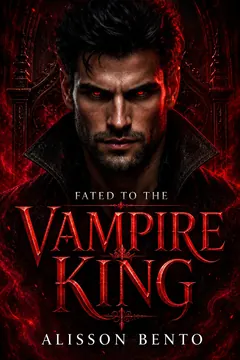
From Alisson Bento’s books
Vampire
A vampire romance about a captive bargain that turns into the only place she wants to be.
Kindle edition · Check Kindle Unlimited availability on Amazon.
A librarian starting over in a cozy fantasy
Sarah Beth Durst describes The Spellshop as cozy fantasy. Kiela is a librarian, and Caz, the companion beside her, is a sentient spider plant. The book concerns starting over and selling spells, with a sweet romantic thread. Try this one when you want the pleasure of watching someone make a life in a new place, and you’d still want to spend time there if the romance takes a while to become obvious. Durst’s description is a useful guide to tone and premise. A reader looking for a precise content limit needs a more specific source than the word sweet.
Think about the first small problem you’d like to watch a character solve. In an imaginary story, someone starting a shop has to work out whether a neighbor is interested in buying something or simply likes coming in after work. It might take several short conversations to discover the answer. A quieter fantasy gives those conversations a reason to happen before anyone has to decide what they mean. A sample can show you whether you enjoy the attention given to the place, the people who live there and the work the main character does with her time.
The presence of a friend or companion also gives you a useful clue about what kind of book you’re getting. Some fantasy readers like a story where the lead slowly makes a whole community. Others want the central relationship to get most of the private conversations. A sample in which a character shares a problem with a friend can be a good way to find out whether that company is part of the pleasure for you. If it is, a book with an affectionate subplot may be exactly the kind of reading you want that evening.
A baking competition with room for attraction
In J. Penner’s A Fellowship of Bakers & Magic, Arleta enters a magical baking competition. Sourcebooks describes friendships and potential romance as part of the premise. If you like the idea of a contest with a result you’ll care about, this is another place to start. The official description gives you a better reason to open it for competition and camaraderie than to make an assumption about the amount of romantic intimacy it shows.
Consider two fictional baking contests. In the first, the hero brings a spare bowl after another contestant drops hers. That moment could matter because it shows the competition leaving room for people to be decent to one another. In the second, two contestants were close friends before a falling-out and one returns a recipe they once wrote together. The gesture is still useful to someone in a contest, but the reader is likely to wait for a conversation about why the recipe matters. Knowing which scene you prefer helps you choose between a competition story with a romantic possibility and a romance that happens to unfold around a contest.
Try reading until you know what would make the main character consider the day a success. In a competition story, it might be getting to the next round or finally proving that a technique works. In a book where the relationship takes the lead, the answer may shift after one conversation. If the contest alone is enough to keep you reading, it makes sense to choose the book for that. If you’re waiting to find out what a particular pair thinks of each other, look for an edition description that gives the relationship some space of its own.
Adult lives in a fantasy setting
You can learn quite a bit about a protagonist’s stage of life without knowing their exact age. A person who takes a dangerous job to pay for a room has a different set of choices from someone trying to hide a new magical ability from a school instructor. A person who already runs a household may have less freedom to accept a romantic invitation than someone who can leave town whenever they like. If you’re looking for an adult cast because you want to read about work, old relationships or decisions about where to live, look for those details in the first few pages.
In an imaginary example, two people meet while arranging the delivery of medicine to an isolated village. One of them can leave for the winter. The other is responsible for keeping the shop open while a sibling recovers from an illness. The obligations make a difference to the romance because both people have a real reason to care where they spend the next few months. Their time together can include kisses or very little physical affection. The adult shape of the problem comes from what they have to take into account as they get closer.
You may also prefer an adult fantasy where the main characters are beginning their working lives. A person who takes their first paid job far from home can be just as interesting to read about as someone who has spent years making decisions for other people. Decide whether what you want is a particular age range or the feeling that both characters have a life before the story begins. Publisher age categories are worth checking if the market matters to you. The sample can tell you more about what the characters spend time doing and what the story expects them to carry.
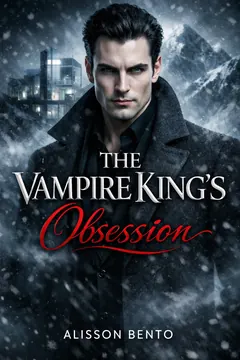
From Alisson Bento’s books
Vampire
A vampire romance about a hero who claims her and never lets anyone forget it.
Kindle edition · Check Kindle Unlimited availability on Amazon.
How to check what stays off the page
Closed door often tells you that any sex takes place off the page. It leaves open whether there are several kisses, a brief conversation about intimacy or a scene that ends as a couple goes to bed. Someone who enjoys a fade to black may be happy to see that moment. Someone looking for kisses only may want a more specific note. There is a separate preference for books with very little physical affection, which you can search for directly. Give yourself a phrase that describes what you want to read instead of relying on a heat score with no explanation.
Imagine an excerpt where one character asks another to stay the night. The following scene begins the next morning with both people making tea. That structure can fit a fade-to-black romance. An excerpt where they say goodnight after holding hands gives you different information. Neither scene by itself tells you how the rest of a novel handles intimacy. An author’s content page for the exact title or a reader review that describes what’s depicted across the book can help fill that gap. If you want to avoid finding out the plot, ask what is shown and leave the chapter, characters and circumstances out of the question.
Physical intimacy is also a separate concern from the other material a fantasy contains. A closed-door book can still involve peril, violence, loss or a relationship that begins amid serious conflict. If your preferences extend beyond sex scenes, check those subjects separately. A cozy setting may be the better place to start when you want a gentler story, while a confirmed closed-door slow burn can still be a good choice when you want difficult magic or danger to be present. Compare the individual books against both preferences instead of trying to make one label answer everything.
Which sample should you open first?
Open Blake first if a closed-door statement is important and you want a relationship that starts under the pressure of a magical bond. Open Durst if a librarian trying to rebuild her life is enough to make you curious about a village, a shop and the people who come into it. Open Penner if you’d like a competition whose friendships and possible attractions give you more to think about than who wins. Pick the opening you actually want to read, then give it time to show you what kind of problem will keep drawing the characters back.
If none of those samples lands, a focused search can save time. Try adult closed-door fantasy romance if the relationship needs to carry the book, then add the kind of setup you want, such as a magical bargain or a rival with a shared job. Try adult cozy fantasy with a romantic subplot if you want more attention on the work, town or community. Keep the title and author beside any content note you find. If you return to it later, you’ll know which book the note was about and can check the edition language without having to start your search over.
Finally, give yourself permission to finish the sample with a narrower question. Perhaps you want to know if the book stays with the heroine’s work after the first attraction. Perhaps you’ve already found a voice you enjoy and just need to confirm the intimate content. Those are different reasons to read another page or look at one more source. It’s easier to recognize the right book when you know the part of the decision you’re still making.
A quick check before buying the next book in a series
When a fantasy romance is part of a series, check what sort of story the next volume continues. Some series follow one couple through several books. Others use the same magical world and give each couple a separate story. If you’re after a slow burn, the first structure may give you more time to enjoy changes in the relationship. If you want a romantic conclusion in the first book you buy, look for an official reading-order note or a description that identifies the volume as a standalone. There’s no need to read the last chapter to find out what kind of commitment you’re making.
The same check helps when you’re buying a book for someone else. A reader may say they like cozy fantasy and still prefer a single volume with its own ending. Someone else may welcome a long series as long as the content notes stay within their comfort level. If you’re giving a recommendation, the useful details are the title, where it sits in the series and what you could actually confirm about the intimacy. Then the other reader can make their own choice about how much time to spend in that world.