
To find a closed-door romance on Kindle+, check the novel’s intimate content and then check the exact Kindle edition in your Amazon store. The membership badge tells you whether that listing offers a subscription reading option. A title-specific author note, publisher description or spoiler-light review can tell you what the book depicts. If one check gives you a clear answer and the other doesn’t, you can keep the candidate on a short list and move to a book that answers both questions for tonight.
For readers who know what they want to read, it can help to do the checks in either order. If you’re choosing from a short list of authors whose content descriptions you already trust, start with the edition. If you’re browsing a large list of Kindle+ romances and have a strict limit on what you want to see, start with a useful content note. You’ll spend less time opening the wrong listing once you know which part of the decision is still open.
What the Kindle+ badge tells you
Amazon’s Kindle+ overview explains that Kindle Unlimited is now called Kindle+. It tells readers to look for the Kindle+ badge on eligible Kindle book pages. When you find a romance you want, open the title page in the Amazon marketplace you use and select the Kindle edition. Check the author, title and language, then look at the available reading options. A purchase price and a subscription option can appear on the same page. A sample is another option and lets you read only the excerpt.
Imagine you found a title through a list someone shared a year ago. It leads to a store that shows an edition in English, but you want the French translation. Look up the French title in your usual store, select the digital reading edition and look for the membership option there. The old list is a good way to discover the book. The store listing and your account show what you can borrow now. This also works if you see the older Kindle Unlimited name in a review or a saved link. The old label can help you find discussions, while the exact product page handles the current access check.
If you plan to listen, check the audio option separately. Amazon describes Kindle+ titles with companion narration and uses a headphone icon for eligible audio. A separate audiobook listing can have different purchase or listening options. If you’re choosing a romance to finish on a train or during a long walk, look at the format you actually want before treating access to the ebook as an answer. The Kindle+ label tells you about a catalog option. It leaves the book’s scene content to a different source.
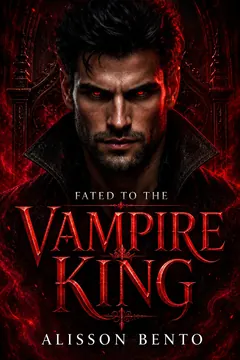
From Alisson Bento’s books
Vampire
A vampire romance about a captive bargain that turns into the only place she wants to be.
Kindle edition · Check Kindle Unlimited availability on Amazon.
Find a content description for the exact title
Start with an author’s note that names the book. A note that says the story contains kisses and fades to black before sex is much easier to use than a description that says only sweet, clean or low spice. Those broader words can still be useful for finding candidates. They often describe tone or intensity in a way that leaves several different kinds of scenes possible. Check whether the writer gives a separate note for a series, an edition or the title you’re holding. If they use a numbered scale, look for what the numbers mean on their own site.
A publisher description may give you the tone of the story and identify the relationship dynamic. It can also say explicitly how sexual content is handled. When it does, keep the description alongside the title so you can return to the same information later. When it says nothing about sex, the book remains a candidate with an open question. You may still want to read it. If a limit is important to you, use the title and author together when you search again, so you don’t end up with notes about a different book in the same series.
An excerpt helps with a different part of the choice. It lets you hear the voice, see how often the characters meet and decide whether you’d like to keep reading. It may stop before the couple knows each other. A review that identifies what the book depicts across the whole story can help when you need more than the excerpt can show. Try searching the author and exact title with phrases such as fade to black, kisses only or closed door. If you’re asking another reader, say you want to know how the scenes are handled and that you’d prefer to avoid the plot details.
Work out what you mean by closed door
Suppose a book ends a chapter after two people kiss and head into a bedroom together. The next chapter starts in the morning. Some readers would count that as closed door because the sex happens off the page. A reader who prefers no implied sex would choose a different description. If a couple spends a chapter deciding whether to kiss and then does, that book can still be the right fit for a reader who likes affection and prefers to skip explicit scenes. The terms work best when you use them to ask about an actual moment on the page.
Ask yourself whether you want no detailed sexual description, kisses only, or very little physical affection. Then check any other subjects separately. You might be happy with a sharp argument, family trouble or a dangerous scene and still want the sex off-page. Another reader might be looking for a gentler book across several dimensions. A book can satisfy one preference without answering the others. Searches become easier when you add the specific thing you’re trying to find. For example, kisses only romantic comedy narrows a different question from closed-door romantic suspense with light violence.
That also explains why two reviewers can describe the same novel differently. A reviewer who sees a bedroom door close might happily call the story clean. Another might use clean only for books without a suggestion that sex occurred. If you see those two responses, look for any description of how the transition is written. You’re trying to choose the book that suits you, so the helpful part of either review is the detail it gives you about the reading experience.
Check the edition when a book has several listings
A title can appear as an ebook, a paperback, a separately sold audiobook or part of a series bundle. A translation may use a different name. When several options are displayed together, compare the author and format before opening the sample or checking the badge. If you’re seeing a cover that looks familiar with a language you didn’t expect, open the book details. The product description can be in the language of the storefront even when the novel itself is in another language. The language field and the preview can help settle which one you’re looking at.
For example, imagine a person who wants the first book in a series and finds a boxed set with similar cover art. If the collection is included in Kindle+ and the individual ebook shows only a purchase option, the listings are offering different ways to read. A membership logo on the collection is evidence about the collection. It’s worth checking the table of contents to make sure the first book is the version the person wants. If a content note covers book one only, the reader should apply it to that book and check the others separately if they plan to continue.
The same care helps when you find a recommendation in another language. An author might describe the intimate content of the original novel, and a translated edition can still have its own title, publisher and format. Check that it is the same work before using the note. If the edition says abridged or contains a collection of bonus stories, the contents can require a closer look. A sample that gives you the wrong chapter or language is a sign to go back to the listing you selected before looking for a different book.
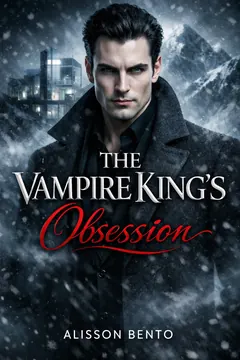
From Alisson Bento’s books
Vampire
A vampire romance about a hero who claims her and never lets anyone forget it.
Kindle edition · Check Kindle Unlimited availability on Amazon.
Use a short list to make a borrowing decision
You don’t need a spreadsheet to keep track of five books. A note with the author and title, the desired format and language, the source for scene content and the last time you checked access is enough. If you’re choosing tonight’s read, a book that answers both questions can go to the top. If you’re saving a recommendation for next month, the note gives you somewhere to start when you revisit the marketplace. Catalog access is the part you can check again close to the time you intend to borrow.
Consider a reader who wants a witty romance with kisses and no implication of sex. They find a listing with Kindle+ access, but the author calls it fade to black and describes the couple spending a night together. That note is enough to make a decision without reading a spoiler. The reader can set it aside and look for a title whose content note says kisses only. If the second book has the right content but is available only for purchase in the preferred edition, the reader has a clear reason to keep searching for a borrowable option.
Now consider a reader who likes the same kind of humor but is comfortable with off-page intimacy. They find a note saying the author fades out, then see the membership option on the original-language Kindle edition they want. The sample can answer the remaining question about whether the jokes and characters appeal to them. If the tone works, they can borrow. If it doesn’t, they can put that book aside even though it meets the other two conditions. The checks give the reader time to make an ordinary reading choice instead of committing to the first eligible result.
Get more specific when the first search is too broad
If closed-door romance Kindle+ returns more possibilities than you want to check, add a trope, setting or format. A contemporary small-town romance and a historical marriage-of-convenience novel can satisfy the same preference about sex scenes and give you completely different ways to spend an evening. Try choosing one detail you’d enjoy in the opening chapter. You can also browse the journal’s Kindle romance guide by trope to decide what kind of story you’re in the mood for, then confirm the content note and store listing for any specific title you’re considering.
If the results still feel too broad, go back to the words that describe what you want to see. Search for kisses only, off-page intimacy or fade to black as appropriate. A term that gives fewer results can be easier to use because you have a clearer starting point for reading the descriptions. If you want to discover a series, check the first book and see whether the author publishes one content note for the entire series or separates the volumes. The time you spend on that first check can save you from having to reconstruct what a reviewer meant later.
A good search ends with a choice you can explain simply. You found the title in the language you want, it depicts the degree of intimacy you enjoy, and the Kindle listing gives you a way to read it. If the book comes up again later, you can repeat the edition check and keep the scene note. You’ll also know whether the next title you try should have a different trope, a different level of intimacy or a different way to borrow it.
When you’re choosing a book for a group
A book club can make the same checks without asking members to share their accounts or explain their limits in detail. Give everyone the title and author, the language or format you’re discussing and a short description of what the content source says. Ask each person to check the borrowing options in their own store or library. Someone who sees the title in a different format may still be able to participate, as long as it’s the same book and the group has a way to refer to chapters instead of page numbers that vary by edition.
If the group wants a closed-door pick but has different ideas about what that means, settle the scene question before asking people to buy or borrow. A simple distinction between kisses only and implied intimacy can be enough. If you still can’t confirm the detail, keep the suggestion on a longer list and choose the book you’ve been able to check. The group can spend its meeting on the characters and the story instead of sorting out what people thought the recommendation meant.