Start with Courtney Milan’s The Governess Affair if you want a historical romance novella you can finish in a sitting. Romance.io lists an edition at 96 pages. If you want something shorter, try Milan’s The Lady Always Wins. Kobo displays 85 pages for its ebook, while the synopsis on the same page calls it a short story and estimates about 60 print pages. Each story gives you a reason to keep going beyond the first encounter. Serena Barton needs an answer from the people who cost her a job. Simon Davenant has three days before news that could change his chances with a woman he’s loved for years becomes public.
The useful part of the 100-page limit is what it helps you choose. A short romance can fit a quiet evening, a train ride or the stretch of a flight when you can actually concentrate. It’s also a good way to try a setting you’re curious about without starting a long series. Check the edition’s length, then confirm that the item is the whole story. A publisher’s preview, an anthology and a separately sold novella can all turn up under the same title.
A second chance with three days to act
In Courtney Milan’s The Lady Always Wins, railway financier Simon Davenant wants a second chance with Virginia Croswell, his childhood sweetheart and best friend. He’s facing financial trouble. The author’s description gives him three days before the news becomes public. If you like a historical romance with a deadline you can keep track of, this is a clear setup. You know what might interrupt his plans, and you can start watching for what he does with the time before it happens.
Read the sample to see whether the old relationship interests you before the new one is under way. A second-chance story can begin with people who already have jokes, memories and reasons to think they know what the other will do. That gives a short book material to work with from the first conversation. You don’t need to wait through a long introduction to understand why getting another chance might matter. If you prefer meeting a couple who have no history at all, you may get more out of a different setup even if the page count is exactly right.
Kobo’s English ebook listing is a useful reminder to read the length information in context. It displays 85 pages and includes a synopsis that gives an approximate print length of 60 pages. Those figures describe a short read in different ways. The synopsis calls it a short story. If you’re looking for a novella in the strict sense, keep that distinction. If your real requirement is a complete romance short enough to try on a single evening, the format can work for you.
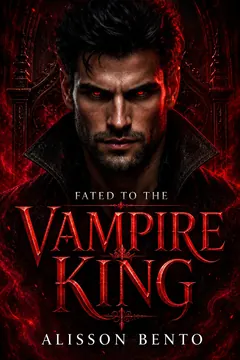
From Alisson Bento’s books
Vampire
A vampire romance about a captive bargain that turns into the only place she wants to be.
Kindle edition · Check Kindle Unlimited availability on Amazon.
A governess and the man the duke sends to deal with her
In The Governess Affair, Serena Barton wants compensation after losing her job as a governess. Hugo Marshall works for the duke she holds responsible. His job gives him a reason to deal with Serena even if he’d rather spend his time elsewhere. Her claim gives her a reason to remain where she is. The listing records 96 pages for an edition of the novella. If you want a print or ebook copy with a particular length, check the edition you’re about to read as well.
Milan’s reading guide identifies The Governess Affair as a prequel to the Brothers Sinister series and presents it as a place to try her historical romance. A prequel tells you where the work sits in relation to other books. It can still be a substantial read on its own. If you want to try a series without opening the first full-length novel, look for that kind of explicit recommendation from the author. It’s more useful than assuming every title marked book zero will make sense as an introduction.
In a sample of a short romance with a disagreement at its center, pay attention to what each lead wants before either has time to enjoy the attraction. A practical request can give the characters a clear reason to meet repeatedly. It also gives you a way to tell when a conversation changes their situation. If you enjoy the first exchange because you can see what each person could lose, you may be happy to spend an evening finding out how they come to understand each other. You don’t have to check the ending to make that decision.
Why the page number can change across formats
An ebook listing and a print edition can give different lengths for the same story. A print publisher chooses a trim size and lays out the pages. On an e-reader, the amount of text you see at one time can also change with the device, font size and layout. A store may show its own page estimate or use a reference edition. Use the count on the edition you plan to read if the number matters for a reading challenge. If you just want a short book for an afternoon, the fact that the title is a novella or a short story is often enough to make a first choice.
Think of a person choosing a book with a friend. One wants a print copy and sees a paperback anthology. The other sees a digital copy of a single story from the anthology. The artwork or even the main title can look similar, but the two listings may describe different amounts of text. The friends can read the same story and use its title or chapter headings to keep in step. The page counts don’t need to match unless the reading challenge or group has made the exact edition part of the plan.
Word count can offer another reference when a publisher or author gives one. Use it as a rough way to compare titles with different layouts. A short book can feel slower if you like to pause over the sentences or if you’re reading it in a language you’re learning. A denser-looking edition can go quickly when you’re caught up in the conversation. The page limit is a useful shopping filter. Once you start, the reading experience gives you a better sense of how much time you want to spend with the book.
How to tell a whole story from a sample
If a listing says preview, sample or excerpt, look for the listing for the complete work. The preview can show you the voice and format. The full story should have its own book page or be identified in a collection’s contents. When you’re borrowing, check whether the library record is for the individual novella, an anthology or the full-length novel that shares its series name. Searching the exact title and author together is usually easier than deciding by the cover alone.
An anthology can be a good way to get several short romances, especially if you want to stop after one story and come back another day. Look at the contents to see whether the story you want is included in full and whether the rest of the book is part of what you intended to borrow. Some collections bring previously published work together. Others offer new stories connected to a longer series. Knowing what the item includes can help you decide whether it fits the afternoon you have in mind.
Also distinguish a short romance from an extended opening to a novel. A separately titled prequel can tell a complete story and still give you somewhere else to go if you like the world. A sample can stop while the story is still gathering pace. A serial installment can have a deliberate pause before the next part. When the difference matters, look for the author’s description of the reading order. A sentence explaining what a reader can start with is often more helpful than a review that summarizes the last chapter.
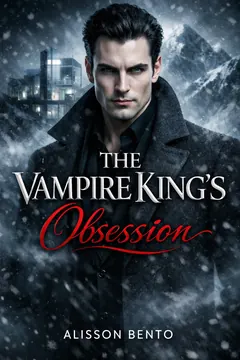
From Alisson Bento’s books
Vampire
A vampire romance about a hero who claims her and never lets anyone forget it.
Kindle edition · Check Kindle Unlimited availability on Amazon.
Choose something that fits the time you actually have
If you’re reading on a flight, give yourself time to get comfortable before treating the whole journey as reading time. You might want a novella whose opening puts you straight into a conversation or a problem you can follow amid announcements. If you’re reading during lunch, an even shorter story or a first chapter you don’t mind finishing later may suit you better. When you’re settling in for an evening at home, you can choose the longer of two short books if you’d rather stay with the characters a little longer.
Try reading a few pages before deciding whether to save the rest for a better moment. Some books let you step back into the scene quickly after a break. Others are a pleasure because you can follow a long conversation without putting the book down. An evening with interruptions can still be enough for a novella if its chapters give you places to stop. For a single sitting, choose an opening that makes you curious about a question the story has room to answer within the same book.
Time is only one part of the decision. If you’re already tired, a complex series with several families and a history you have to piece together might take more concentration than you want, even at a short length. If the premise is as simple as an old friend asking for another chance, you may find yourself reading longer than you planned because you know what you’re waiting to see. The ideal length is the one that gives you room to enjoy that question without making the book feel like an item on a checklist.
Check the kind of ending the edition promises
If you want the central relationship to reach a satisfying point by the end of the sitting, look for a story described as a complete romance or as a standalone entry. If a title sits in a series, the couple’s story can still be complete while other people or problems continue into later books. The more useful question is whether you’re happy to close the book after this pair has made a decision. If what you really want is a first taste of a world with plenty more to read, a prequel can give you a different kind of satisfaction.
Think about what would be missing if you had to stop after the opening. If you’re curious whether Serena gets the answer she came for, start with The Governess Affair. If you’re curious what Simon can do in three days that he couldn’t do in seven years, try The Lady Always Wins. Both offer an immediate question you can follow through a short read. Pick the one whose answer you want most, then check that you’ve opened the full story rather than a preview with the same cover.
If you find yourself enjoying the author’s style, write down what made the length feel right. It might be the clear deadline, the shared past or the fact that both characters know what they want when the story opens. Those are details you can look for again when you’re choosing another novella. A future pick can be a little longer or shorter and still fit the same reading mood if it gives you a question you’d happily carry from the first pages to the last.
When you want several short romances in one book
An anthology can make it easier to keep a short romance ready without shopping for a new book every time. Start with the contents page. If the stories have separate titles and the introduction tells you where they were originally published, you have a straightforward way to tell what you’re opening. If the book is organized around several couples in one setting, see whether the publisher gives a reading order or says you can start anywhere. Reading one story at a time can suit a busy week even if the whole collection is far longer than one hundred pages.
If you borrow the collection for a reading challenge, check the challenge’s wording before you choose. One person may be counting each complete story, while another may be counting bound volumes. A book club may only need everyone to read the same text. You can name the story, the author and its place in the collection so people can find it even when their copies have different page numbers. This is particularly useful when a print edition bundles titles that are sold separately as ebooks.
For your next short read, keep one title for a quiet evening and a second for a time when you expect interruptions. A story with a single urgent conversation might be the one you want to finish without a break. A longer novella with a clear chapter structure can be easier to return to the following day. The reading time you have matters more than meeting the same page limit on every occasion.