If you find a romance audiobook on YouTube, try to reach the video from the author’s or publisher’s own site. Then check whether that particular upload contains the whole book. It takes two checks because a publisher can share a chapter legally, and a video that appears to contain every chapter may still come from someone with no evident connection to the recording.
You can usually make a choice without listening through the end or reading spoilers. Look for a link from the rights holder, an edition that names the narrator and language, and a description that says whether you’re opening a complete recording or a sample. If the listing leaves one of those questions open, a library or retailer sample can help you identify the version you’re trying to find.
Start at the author or publisher page
Search for the exact title and author, together with the word audiobook. If the author has a page for the title, look there for audio links. A direct link from that page to the video or playlist is stronger evidence than an unknown channel’s claim that its copy is official. The publisher of the audio edition may be a different company from the publisher of the paperback. If the book page points you to a company you weren’t expecting, check the narration credits and book title before deciding you’ve reached the wrong recording.
Work outward from that page. If the author links to a channel instead of a single video, search within the channel for the title. Match the title, author and narrator when you can. A channel can contain a mixture of audiobooks, trailers, interviews and excerpts. You still need to identify which item you opened. A description that names the book, narrator and recording publisher tells you more than a thumbnail with the author’s photograph or the print cover.
Here’s a situation you can check quickly. A search turns up two videos with identical cover art. One is linked from the author’s audio page and the other appears on a channel that posts books from several publishers. Start with the linked video. If it’s an excerpt, use the authorized links on the author page to find the rest. The second video’s cover gives you a way to recognize the book, but the art alone doesn’t explain where its recording came from.
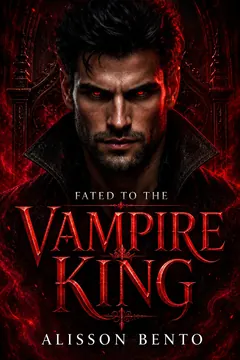
From Alisson Bento’s books
Vampire
A vampire romance about a captive bargain that turns into the only place she wants to be.
Kindle edition · Check Kindle Unlimited availability on Amazon.
Recognize official excerpts before you start
Julia Quinn’s audio page is a straightforward example of the distinction. It groups five-minute excerpts by series and supplies listening options for individual books. The entry for The Duke and I has a clearly marked audio excerpt and separate store links. If you want to hear how the narration sounds, the excerpt does the job. If you want the whole book, use the edition links to see what is offered in the service and region you use.
On YouTube, search results may truncate a title just before the words excerpt or chapter one. Expand the description and look for a full title, chapter range or an invitation to continue in another edition. A five-minute clip can begin at the start of a novel or somewhere in the middle. Either can help you decide if a narrator suits you. The position of the excerpt matters only if you’re trying to follow it into another file. A first chapter can be easy to find again, while a scene from much later can spoil an event you’re trying to avoid.
Some official releases are presented across several videos. Open the playlist and read its title and description. Check that it is linked to by the same publisher or creator, and see whether the items run in order. An isolated video called part one sometimes belongs to a playlist with all the remaining parts. It can also be the only installment on that channel. If you want to listen offline later, check what the service itself lets you save. A link that offers permission to listen online answers a different question from a link that offers a recording you can download.
Compare the running time with the same recording
Use the running time as a clue after you’ve found a matching edition. Two performances of the same book can have different durations because the readers speak at different speeds. Introductions, closing credits and extra material can change the time too. The useful comparison is between listings that name the same narrator, publisher, language and edition. If the official listing gives several hours for that exact performance and the video you found is much shorter, look for the words sample, abridged or part one before treating the discrepancy as a missing file.
Chapters and timestamps can help when the public listing gives you enough to compare. If the video is part of a playlist, check whether the title points to a range of chapters and the next video starts where it should. In a single video, look for an end credit or an epilogue marker without playing it. A live recording can omit chapter names and still tell the whole story. A carefully labeled video can have a gap. Treat a chapter list as a navigation aid and compare it with the official description if something looks off.
One useful search is the exact title with the selected narrator’s name. It can lead you directly to the store or library entry for that performance. You might then discover that a result you’ve saved is a different edition or a sample from the correct recording. This is particularly helpful when a new edition uses updated artwork. The performance credits are easier to match than a dozen nearly identical covers, and they give you something concrete to check when you’re deciding where to pick up the story.
For classics, identify the source of the performance
LibriVox’s entry for one recording of Jane Austen’s Pride and Prejudice gives you the title of a specific version and a track list. You can start there and choose that recording directly. If you come across a YouTube copy that credits LibriVox, you can compare the reader and track sequence with the original catalogue. This also helps if you try the first chapter in one place and decide to listen to the rest elsewhere.
LibriVox says its recordings are in the public domain in the United States and asks people elsewhere to check the status where they live before downloading. That statement is for the site’s own recordings. A classic’s title can also lead to a recent commercial performance, an audiobook of a newer translation or an adaptation that cuts parts of the original. If you want a LibriVox version, use its official catalogue to check which of those you’re looking at. If you want a particular new performance, look for the publisher of that recording.
The same approach works when you switch languages. Suppose you know an English classic is available through a volunteer catalogue and want to hear it in French. Look up the actual French recording and check its catalogue entry on its own. An English track list can help you find your place only after you’ve found a compatible edition. If the French listing names a translator or describes an adaptation, that may be the version you want. You can make that decision from the credit and description before a sample delivers a scene you would rather discover in the book.
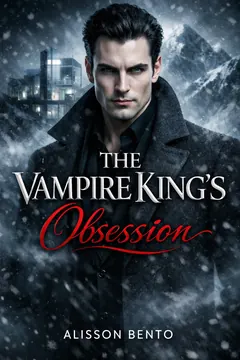
From Alisson Bento’s books
Vampire
A vampire romance about a hero who claims her and never lets anyone forget it.
Kindle edition · Check Kindle Unlimited availability on Amazon.
Check how the narrator and language are credited
A narrator might perform the whole book alone, share the work with another reader or appear as part of a full cast. A listing can credit more than one person without explaining the arrangement in the video title. Look for the credits on a publisher or library page and listen to a sample if the distinction matters to you. If you are midway through a book, a familiar name is a good starting point for finding a second legitimate copy of the same recording.
Likewise, a localized title or description does not tell you what language you’ll hear. Check the audio language where the platform lists it. Play a short sample if you are browsing a market whose listings are automatically translated. For listeners practicing a language, the sample can also tell you whether the narrator’s speed and the recording quality are comfortable enough for a longer session. If a performance works for you, write down the name, then look for the matching edition instead of trying to recognize the voice among unrelated results.
If you use more than one app, save the chapter as well as the timestamp before switching. One release may have an extra introduction. Another may split the performance across shorter files. The same minute can land in different scenes even when you found the right narration. A chapter and a detail from its opening are easier to find again. If you avoid spoilers, skim the start of that chapter or let the audio play for a few seconds and pause when you recognize where you left off.
Follow up when permission or completeness is unclear
An upload that labels itself a free, complete audiobook still leaves two things to verify. Ask whether you can trace the recording to the author, publisher, narrator’s authorized page or a reputable source that documents how it’s shared. Then see whether that same edition matches the video you’re about to play. YouTube’s copyright overview explains several ways creators may have permission to use material, including permission from the rights holder and certain Creative Commons terms. A video’s availability alone cannot tell you which, if any, applies to a particular upload.
You don’t need to decide who owns a recording to choose what to listen to. If a contemporary title has no traceable source, try the author’s audio page, the publisher listing or your library’s catalogue. If you already know the narrator, include the name to narrow the results. Some rights holders promote a series through an official channel while selling full editions elsewhere. An excerpt from a channel you can verify can still give you a reliable way to try the book, even if the full recording is delivered through another service.
For a video clearly marked as part of an official release, the remaining question is often practical. Do you want to listen from the beginning today, or would you prefer a complete file with chapter navigation in an app you already use? A playlist can work well at home. On a long trip with patchy connection, a library edition that your app allows you to save offline may be easier. Make that decision after finding the correct recording so you can compare the same performance across listening options.
A quick routine for your next search
If you’re in a hurry, start with three details you can put in a search box: title, author and audio. Open the author’s or publisher’s result first. Follow the audio link and read the full label. If it leads to a video marked sample, hear enough to decide whether you enjoy the narration and use the publisher’s links to find the complete edition. If it leads to a playlist, check the visible parts for gaps. The whole routine can take less time than scrolling through covers that look alike.
If you already have a video open, reverse the order. Write down the credited narrator and publisher, then look for the same recording through a source you can identify. If you find a match, you can make sense of the running time and chapter labels. If the official copy differs, try it before relying on the one you found first. Keep the source page or catalogue entry handy when the book comes in several voices or languages. It’s easier to return to a recording when you have its name and a direct link.
For a contemporary work, a link from the publisher can settle where to start even if the platform’s results are messy. For a classic, a named catalogue recording can help you choose a performance you can finish. In either case, look for the description of the edition and listen to a brief sample. You’ll have a better chance of finding the whole book in the voice you want before you set aside an evening to hear it.
If you’re passing a recommendation to a friend, share the edition page as well as the listening link. Add the narrator’s name and tell them whether the link opens a sample, a playlist or a single complete recording. That gives them enough information to locate the same version if the link sends them to a different regional store. It also lets them choose their own library or service without losing the detail that made your recording worth recommending.