
Choose what the group can read by the first meeting
A spoiler-free first meeting works best when everyone knows which part of the book belongs to the conversation. Give readers a short assignment, such as the opening four chapters, or start with an authorized sample and the publisher’s description. The meeting can be about what the story has led people to expect. Save the question of how the couple gets together for another day. A person who has finished the book can still participate by going back to the part everyone is discussing.
Name the boundary by chapter or scene. A reader who borrows an ebook may see different page numbers than someone holding a paperback. An audiobook may display track names or a time instead. If a chapter number appears in all three editions, use it. If the numbering differs, describe an early moment everyone can recognize without giving away what happens next. Put that information in the invitation where a reader can find it before they open the group chat.
Think about the amount of time people have to get a copy. The shortest reading assignment is only helpful if members can get to it before the meeting. You might send the publisher’s description and a link to the official sample in the invitation and let people read ahead on their own. A group with several members waiting on library holds can still talk about the setup, the setting and what made them vote for the book. It can schedule the full discussion once most people know when they will be able to finish.
If it is the first time the group has tried this format, give the meeting one outcome. You can ask people to leave with one question they want the book to answer. That is enough to make the opening discussion feel complete and gives the group a reason to return to the questions later.
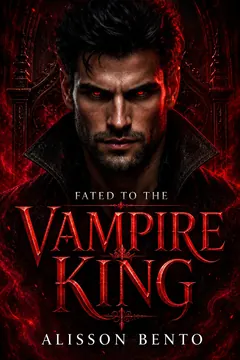
From Alisson Bento’s books
Vampire
A vampire romance about a captive bargain that turns into the only place she wants to be.
Kindle edition · Check Kindle Unlimited availability on Amazon.
Offer a premise everyone can discuss
Start by asking what world the characters inhabit before their love story begins. Picture a scene where two people meet in a small coastal town during a heavy winter storm. One character is a lighthouse keeper who has lived alone for twenty years, while the other is a weathered sailor seeking refuge after losing his cargo. Ask how this isolated environment shapes their initial interaction. Does the storm force them together or push them apart? Consider whether the setting acts as a barrier that must be overcome or if it provides a safe space where they can be honest with one another. When discussing these details, focus on how the physical location influences the emotional tone of the opening moments. A cramped cabin offers intimacy through necessity, whereas an open pier suggests distance despite proximity.
Next, explore the specific relationship setup at the very beginning of the narrative. Imagine a situation where one person arrives expecting a simple transaction but finds themselves drawn into a deeper connection unexpectedly. Ask how the characters define their roles in this new dynamic. Is one person clearly leading while the other follows, or do they meet as equals who challenge each other immediately? Consider the power balance between them. Does wealth create distance, or does shared hardship bring them closer? Look for clues in how they address each other and what topics they avoid or embrace. This initial setup sets the foundation for whether their romance will bloom naturally or face significant obstacles right from the start.
Finally, examine the first impressions each person forms about the other. Think of a moment where silence speaks louder than words between two strangers sharing a meal in a dimly lit room. Ask how their outward appearance contrasts with their inner thoughts. Does one character assume the other is cold because they stand still, only to learn later that they are deeply thoughtful? Consider the first gesture of kindness or conflict that defines their early perception of each other. These initial judgments often color the entire story until truth slowly reveals itself. Discuss how these early misunderstandings create tension and drive the plot forward without needing elaborate exposition. By focusing on these concrete elements, readers can engage in meaningful conversations about how setting, setup, and first impressions build a compelling romantic narrative.
Check the reading guide before sharing it
When you share a reading guide with friends, start by checking the source material to understand what the questions actually ask. Penguin Random House released a readers’ guide for Book Lovers that includes inquiries about reading habits and setting before moving into later questions about the plot. This structure allows groups to discuss their personal preferences first without needing to know the story details. You can use this approach as a model for previewing any guide you intend to distribute. It shows how a publisher might organize topics from general themes to specific events in a logical sequence.
In contrast, Macmillan issued a reading group guide for The Flatshare with a clear warning attached to it. The publisher explicitly states that their discussion questions reveal plot details and the ending of the story. This notice serves as a reminder that some guides are designed to deepen engagement after a reader has finished the book, while others might accidentally spoil surprises if read too early. You must respect these warnings when deciding whether to share such materials with your group. Ignoring them could ruin the experience for those who have not yet reached the final pages.
Consider how different publishers handle the balance between inviting conversation and protecting narrative surprises. The Book Lovers guide invites readers to talk about their own habits before diving into story specifics. The Flatshare guide warns that its questions contain spoilers, forcing you to choose whether to share it only after everyone has finished reading. These examples show that guides vary significantly in their intent and content. You should always read the introduction or notes provided by the publisher before distributing any list of questions. This simple step ensures you honor the author’s wishes and keep the reading experience fresh for your friends.
Give readers a way to mark a boundary
Rita’s book club meets in the back room of a café on Thursday evening. The group has agreed to read through chapter four. At the start she says the first part of the meeting covers the premise and those four chapters. A reader who has finished the book mentions that they marked several passages. Rita asks them to pick one before the boundary and save the others for the next meeting. When the group reaches a conversation about a promise made in chapter three, she asks what each reader thinks the character meant at that point.
Marta’s group meets on a video call and uses the same chapter boundary. She puts it in the invitation and at the top of the chat. One reader has an ebook and another has the audio edition. Marta asks everyone to use the chapter number or the scene they are talking about instead of a page number. When a reader begins to refer to a later change in the relationship, Marta thanks them and asks them to return to the scene the group has reached. The reminder takes a few seconds.
Both examples leave space for a reader who has only tried the opening sample. The café group could begin with what the cover and description made people expect. The video group could ask what two things they know about the main characters from the first exchange. Agreeing on the stopping point lets readers bring different editions and different amounts of free time to the same meeting. It also gives someone a phrase they can use if they need to stop a spoiler. A quick “I’m only through chapter four” can bring the conversation back to a shared scene without turning the reminder into a debate.
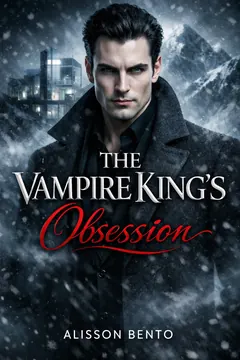
From Alisson Bento’s books
Vampire
A vampire romance about a hero who claims her and never lets anyone forget it.
Kindle edition · Check Kindle Unlimited availability on Amazon.
Choose books readers can get in time
Finding a story to read often depends on where you look first. Many libraries hold multiple copies of popular titles so that several people can borrow them at once. Some branches keep these books in special sections marked for quick checkout while others mix them with new arrivals. You might find that a specific title sits on the shelf near the front door or tucked away in the fiction aisle depending on how busy it is. Waiting lists exist when demand outpaces supply, but they usually clear faster if you check back regularly. Digital versions often appear sooner than physical copies because libraries can download them instantly without waiting for a delivery truck to arrive.
Language choices affect who can access a particular narrative. Translations allow readers to experience stories originally written in other tongues without needing to learn the source language. An edition printed in one country might offer different illustrations or forewords compared to a version released elsewhere. Some publishers release books simultaneously in several languages while others stagger these releases over months. A reader interested in a specific dialect might prefer a version that includes local idioms and cultural notes rather than a standard translation meant for a global audience. Checking the cover or the back flap often reveals which countries produced the edition you are holding.
Format matters greatly for how quickly a book arrives at your hands. Physical copies come in paperback, hardcover, or large print editions designed for those who need bigger text. Digital files arrive instantly on devices like tablets or e-readers but require an internet connection to download. Audio versions let people listen while commuting or doing chores, though they take longer to finish than reading silently. Libraries may offer all three formats for the same story, allowing patrons to choose their preferred method. Some institutions lend only one type of format at a time due to budget limits or storage space. Others rotate stock frequently so that new copies replace old ones as needed. Patrons should check local rules before assuming a specific format is available. Availability changes daily based on who checked out what and when.
Make space for someone who has only sampled it
You might have stopped halfway through a story because your schedule shifted or your attention wandered. This is not a failure of judgment but a common occurrence in a busy life. The goal now is to create room for that unfinished narrative without forcing you to finish it immediately. Start by recalling the last scene you remember clearly. Perhaps two characters were arguing over a misplaced key, and the door remained locked. That image stays with you because it holds tension. You can return to that specific moment and read only the next chapter or two. This small step reactivates your interest without demanding hours of your time. The story resumes exactly where you left off, so no plot points are lost in your memory.
Consider a scenario where a woman named Elara finds a map inside her grandmother’s attic chest. You read up to the moment she decides to follow the path marked on the parchment. The next page shows her stepping onto a narrow bridge that spans a rushing river. If you pick up the book now, you witness the immediate consequence of her choice. Maybe the wind blows hard and threatens to knock her off balance. This brief continuation keeps the emotional momentum alive. You do not need to know how the journey ends to appreciate the next few pages. The atmosphere remains fresh because you are returning to a world that still feels urgent and real. The fear or hope you felt before stopping returns instantly when you turn the page again.
Another option involves a conversation between two friends who meet at a coffee shop. You stopped reading right after one friend mentions a secret they have kept for years. The next scene reveals how that secret changes their relationship dynamics. Reading just this section allows you to see the shift in tone and body language. The characters might sit in silence while steam rises from their cups. This quiet moment carries more weight than any grand declaration of love or loss. You can engage with these subtle interactions without needing the full resolution of the plot. Sometimes stopping at a pivotal question creates a stronger hook than finishing the entire story. Let that curiosity guide your next reading session. Pick up the book whenever you have five minutes free. The reward is reconnecting with a world that matters to you without pressure to rush toward an ending.
Save the ending conversation for its own meeting
Save the final words of your story for the moment you actually meet again. This approach keeps the emotional weight of the conclusion intact rather than letting it fade during a long gap between chapters. When you finish reading today, do not talk about what happens next in the plot. Instead, focus on the feeling you have right now and how that feeling changes as the book ends. You might notice a quiet satisfaction or a sudden urge to share your thoughts with someone who knows the characters well. This shift in focus helps you respect the rhythm of the narrative without rushing toward the end too soon.
Consider a specific moment where two people in a story finally understand each other after years of misunderstanding. Imagine one character sitting alone on a porch while rain falls softly outside. The other arrives just as the first drop hits the ground. This scene holds a lot of power because it happens at the very last page. If you discuss this moment with your reading partner before you stop reading, you lose the surprise of that arrival. You also miss the chance to feel the silence stretch out between them in real life. Save that conversation for when you both have time to sit down and let the words settle in your minds without distraction.
Choosing your next reading date should be separate from talking about the story itself. Look at your calendar and pick a day that feels right for both of you. Do not decide this based on what plot points you want to discuss or which scenes you think are exciting. Simply mark a time when you can focus entirely on the text without worrying about upcoming meetings. Treat the selection of a date as a practical task rather than an emotional preparation. This separation keeps the reading experience fresh and prevents the story from becoming too heavy before you even turn the final page.
Sources and editions
Penguin Random House’s Book Lovers readers’ guide · Macmillan’s The Flatshare reading group guide