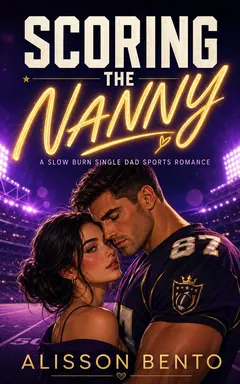
Sports rivals-to-lovers romance can let two adults want each other while both still want to win. The satisfying tension comes from learning to respect a competitor without erasing the ambitions that made the rivalry matter. Love need not require someone to throw a contest, surrender an opportunity, or become a supporting character in the other person’s career.
When choosing this trope, look for two goals worth keeping. Attraction is the spark; the difficult question is whether the fictional adults can become trustworthy partners while their competitive interests continue to collide. This guide concerns that relationship between performance and commitment, with invented examples involving adults eighteen or older.
A sports rivals-to-lovers romance needs a goal on both sides
A rivalry becomes meaningful when you understand what each adult wants and why. They may be competing for the same fictional selection, preparing to face opposing teams, or pursuing personal recognition in a shared field. The precise setup matters less than the consequence each attaches to success.
One protagonist might want proof that a difficult return was worthwhile. The other might see an opportunity as the next step toward a future they have planned carefully. Those motives can coexist without either being petty. Knowing them allows you to feel the attraction and still understand why neither wants to lose.
Repeated insults do not supply a competitive goal. If the description says they are rivals, ask what would change if one succeeded and the other did not. A clear answer gives the story pressure that lasts beyond witty exchanges.
Can they be on the same team? In a fictional premise, yes, if the story establishes a specific opportunity or objective that puts them in competition. Alternatively, they may be opponents whose lives intersect elsewhere. The label alone does not establish the rules of their rivalry or the nature of their working relationship.
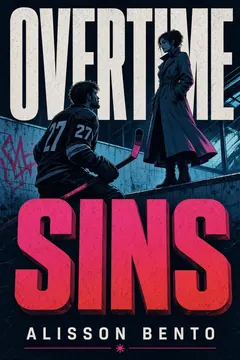
From Alisson Bento’s books
Sports · Enemies to Lovers
A sports romance about hate, sparks and the moment the line between them burns.
Kindle edition · Check Kindle Unlimited availability on Amazon.
Admiration gives competitive friction something to become
Why would rivals fall in love? One compelling possibility is that each sees qualities the other cannot easily dismiss: preparation, skill, composure under pressure, or the willingness to keep working after disappointment. The person causing frustration is also someone whose effort they understand.
Look for admiration in action. An adult protagonist might notice how carefully the rival prepares, defend an accurate assessment of their ability, or recognize a strong performance without turning the moment into flattery. These choices suggest a foundation beyond physical attraction.
The attraction need not make the rivalry disappear overnight. A character can be impressed by a performance and irritated by its consequence. That mixed response gives the developing romance texture: they have reasons to draw closer and reasons to protect themselves.
For readers who prefer a period of alliance before romance, investigate whether the adults develop trust through a shared problem. They might cooperate outside a contest while remaining competitors within it. Cooperation is interesting when it changes their knowledge of each other rather than conveniently removing every obstacle.
Balanced ambition does not mean identical circumstances
Do the protagonists need equal status? No. One might be established while the other is trying to gain recognition. They might have different resources, histories, or responsibilities. What matters for the romance is that the story treats both goals as meaningful and gives both adults room to act.
A disparity can create particularly sharp tension. Praise from an established rival may feel welcome, patronizing, or risky depending on the recipient’s circumstances. A private offer of help may be generous yet still create questions about dependence. The book can explore those questions without pretending affection automatically settles them.
Ask whether you understand the less prominent protagonist’s ambition from their own perspective. If their dream exists only to demonstrate how generous the other adult is, the relationship may feel unbalanced. They need preferences, choices, and stakes that extend beyond reacting to a star.
Also distinguish two valuable goals from two compatible outcomes. A fictional contest may offer only one winner. The adults can respect both ambitions even when only one receives the immediate result they want. That difficulty is part of the appeal, rather than a problem every story must avoid.
Does love require someone to lose deliberately?
No. Deliberately conceding is one possible fictional choice, but it is not a requirement of romantic commitment. For readers drawn to mutual competence, honest competition can be part of how the adults respect each other. Each takes the other’s work seriously enough to try.
If a character does sacrifice an opportunity, examine whose decision it is and whether the story acknowledges the cost. A freely chosen change of priorities differs from pressure to prove love through surrender. A last-minute gesture can feel hollow if it ignores a goal the narrative spent chapters teaching you to value.
Supporting a partner before the contest
Support might mean keeping a personal promise, respecting preparation time, or offering encouragement that does not require the partner to perform confidence. None of those actions demands competitive surrender. The relationship can be reliable while the outcome remains uncertain.
Competing honestly during the contest
The adults may decide that each will give their best effort and keep private knowledge outside the competition. A clear agreement gives the contest emotional stakes: they are testing whether intimacy changes how they treat each other, not whether attraction makes their goals vanish.
You may prefer a story where priorities genuinely change. The useful question is whether that change belongs to the character and is developed over time. A new dream can be a satisfying ending when it grows from choice, rather than serving as a convenient way to let the other protagonist win.

From Alisson Bento’s books
Sports · Enemies to Lovers
A sports romance about hate, sparks and the moment the line between them burns.
Kindle edition · Check Kindle Unlimited availability on Amazon.
Private intimacy creates boundaries a rival must respect
How can competitors trust one another? In the fictional relationship, trust can grow through specific limits. They may decide which concerns stay private, what preparation they discuss, or when they need space to concentrate. Those agreements make trust visible instead of relying entirely on declarations.
Imagine one adult learns that their rival worries about an upcoming assessment. Using that disclosure to unsettle them would have a different meaning after they have become close. Refusing to exploit it can show that the character understands the difference between competition and betrayal.
A reader does not need a universal rule for every real sport to assess the scene. The novel should establish what the adults consider acceptable and what choice follows. If a boundary is broken, the consequences for their relationship should be recognizable.
Secrecy from the wider sporting circle is another question. Are both adults choosing privacy, or is one accepting an arrangement they dislike because they fear losing the relationship? Rivals-to-lovers can overlap with secret dating, but the competitive label does not tell you how disclosure will be handled.
The result can reveal more than the flirting
What happens if one lover wins and the other loses? That is a rich relationship test. The disappointed adult may need room to feel the loss. The successful adult may want to celebrate without making the partner feel small. Neither response has to become proof that the relationship is doomed.
Let disappointment remain real
A loss does not become painless because the winner is loved. A convincing scene can allow frustration, silence, or a request for time while distinguishing those reactions from cruelty. The reader should understand what has been lost and what the disappointed character chooses to do next.
Let success remain worth celebrating
The winner should not necessarily have to erase their joy to protect the relationship. A thoughtful response might involve choosing the right moment for a conversation or recognizing that the partner cannot immediately provide enthusiastic reassurance. Both emotions can have space.
A useful sign of development is changed behavior after the result. An adult who once gloated may now acknowledge the other’s work. Someone who once withdrew indefinitely may now explain what they need. These actions give the romance a future beyond an exciting competitive scene.
That aftermath also helps you assess the tone you want. Some books may turn it into affectionate banter; others may explore a harder emotional reckoning. Investigate the intensity rather than assuming every rivalry promises the same kind of comfort.
An invented selection rivalry with a relationship worth protecting
Consider this fictional example. Lena and Sam, both adult athletes, are pursuing one place in an invented competitive program. Lena wants the opportunity because it fits a long-held career plan. Sam wants it after having reconsidered their direction. Neither is pretending to care merely to create romantic friction.
They begin to grow close while sharing time outside preparation. Sam admits a private concern. Later, Lena has a chance to mention it in a way that could damage Sam’s confidence. She chooses to keep the conversation private, while continuing to prepare seriously for selection.
That choice matters because it preserves both goals. Lena has not stopped wanting the place. Sam has not asked her to become less committed. What changes is their understanding of what competitive conduct is compatible with the relationship they are developing.
Suppose Lena receives the place. Sam is disappointed and asks for a quiet evening before talking about practical plans. Lena accepts the request, celebrates with a friend, and returns for the conversation they agreed to have. The story now has room for loss, success, and commitment at once.
The eventual romantic resolution could concern how they stay connected through different schedules and futures. It need not reverse the selection or declare Sam’s ambition unimportant. The sporting outcome and the romantic outcome answer related but separate questions: who receives this opportunity, and can the adults choose a relationship that respects both lives?
Find rivals-to-lovers books that match your ambition preferences
Must both adults achieve every career dream for the ending to feel satisfying? No. You may accept an altered plan, a difficult result, or an uncertain professional future while wanting a secure romantic commitment. The key is knowing which promises matter most to you before choosing the book.
If you want both protagonists to keep competing, phrase that preference directly. If you prefer mutual support after a major change, say that. A spoiler-light question such as “Does the relationship require either protagonist to abandon their sporting goal?” can clarify the treatment without revealing the contest winner.
- Competitive stakes: Can you identify what each adult wants?
- Admiration: Does respect develop through observed behavior?
- Boundaries: Are private disclosures and preparation treated thoughtfully?
- Agency: Does each adult make meaningful decisions about their future?
- Aftermath: Does the book make room for both success and disappointment?
If an injury changes the competitive arc, our injury-recovery sports romance guide considers fictional identity and support during that change. Injury is an additional story element, not an inevitable stage of every rivalry.
Read heat, content, and ending information separately, then choose the competitive tension you want to live inside. The charged possibility of this trope is that the person determined to beat you becomes someone you trust with the parts of yourself competition never sees. A satisfying romance gives that trust weight while still remembering why both adults stepped into the contest.