Celebrity bodyguard romance brings two adult characters close through a fictional protection role while public attention makes their private attraction difficult to interpret. The bodyguard has access to the celebrity’s working life; the romance asks whether that access can become freely offered trust. Choose the book by its balance of visibility, professional distance, emotional intimacy, and external danger.
The delicious contradiction is simple: someone can be watched by everyone and still feel unknown. A person standing beside them may finally notice the difference between the public performance and the private wish. That possibility can support tender humor, a slow burn, or a darker conflict, depending on the particular story.
What makes celebrity bodyguard romance a distinct reading experience?
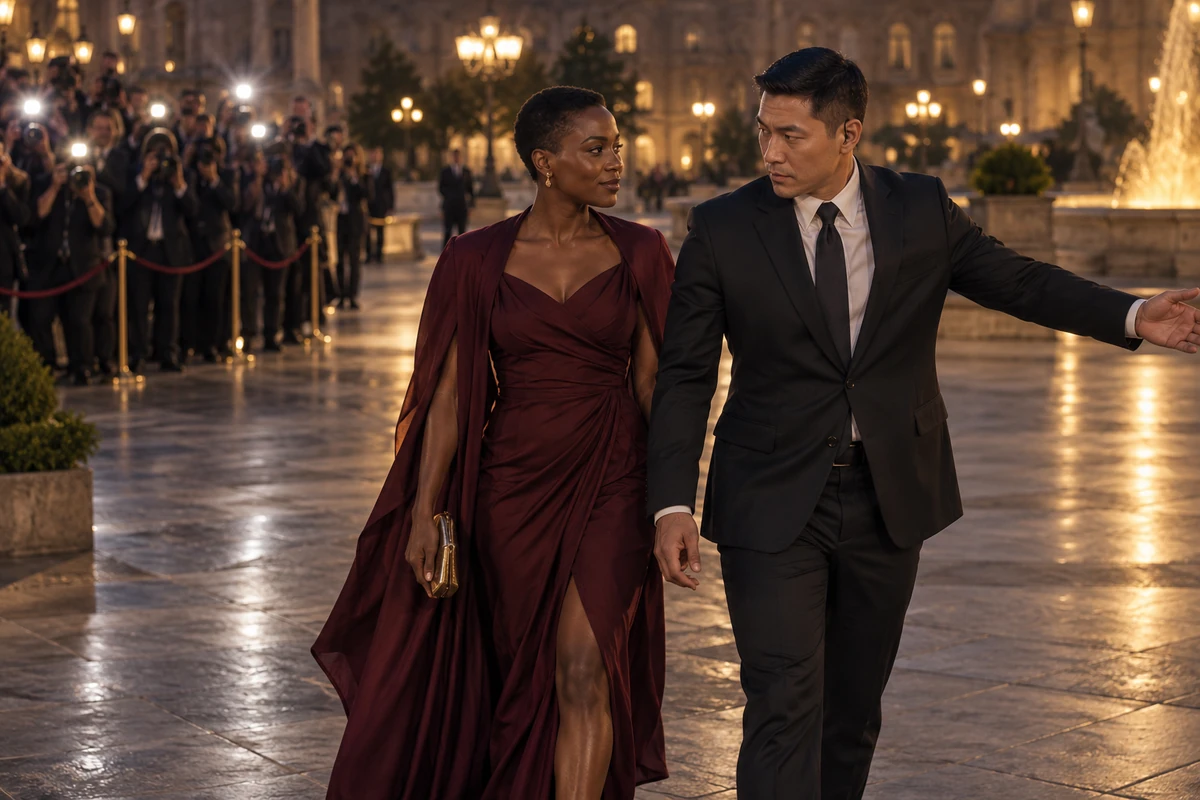
A celebrity premise adds an imagined audience to the developing relationship. The adults may be aware that a photograph, a glance, or an ordinary outing could be interpreted by strangers. Their question is not only whether they want each other, but which parts of that desire they want to share.
The protection role gives them a reason to spend time together that neither needs to call romantic. A conversation about a public appearance can gradually become a conversation about what the celebrity fears or values. The closeness is built into the setup; emotional intimacy still has to be earned.
A reader request for an actor or singer with a bodyguard illustrates how specific this preference can be. A generic protective lead is not necessarily the same invitation as a celebrity whose public career shapes the couple’s choices.
These are fictional relationship dynamics. You do not need real security procedures or real celebrity anecdotes to assess them. Look at the story’s adults, what their roles allow them to know, and what each person remains free to decide.

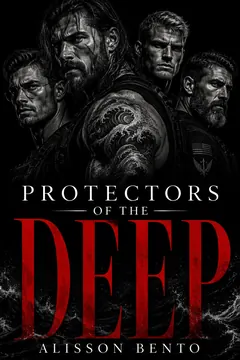
From Alisson Bento’s books
Bodyguard & Protector
A mafia romance about a protector who would take a bullet for her, and might.
Kindle edition · Check Kindle Unlimited availability on Amazon.
Public visibility changes the meaning of an ordinary moment
Why does public scrutiny create romantic tension? In an invented story, the adults may attach different consequences to being seen together. One thinks an outing is a small personal choice. The other knows that within their fictional public life, it could generate questions they are not ready to answer.
Consider an invented adult performer, Ren, and adult bodyguard, Alex. Ren wants to attend a friend’s exhibition and support something unrelated to the stage. Alex needs to discuss the appearance with Ren. Their romantic friction can come from Ren wanting one evening that does not feel managed and Alex struggling to separate professional concern from personal longing.
The scene becomes interesting when the conversation changes what each knows. Perhaps Alex learns that the exhibition represents a friendship Ren has been neglecting. Perhaps Ren realizes that Alex is asking about their wishes rather than trying to cancel them. No technical protection maneuver is required for that emotional turn.
Being seen together is not the same as choosing disclosure
A story can distinguish an accidental glimpse from a deliberate announcement. If a picture circulates within the fictional plot, the couple may still need to decide what they will say. The reader question is who gets a voice in that decision, not whether one dramatic image settles every private feeling.
Access to a schedule is not access to a person’s trust
A bodyguard in a novel may know when the celebrity arrives, leaves, or needs to be somewhere. That practical familiarity can feel intimate without giving the character an automatic claim on emotional knowledge. A romance gains depth when the distinction matters.
Watch for a transition from observation to invitation. One adult notices that the other has become quiet after an event. Instead of demanding an explanation, they leave room for a conversation. Later, the celebrity chooses to share the reason. The confession means more because the listener did not treat proximity as permission to pry.
Confidentiality can be a romantic action
Fictional private knowledge creates choices. A character might learn that a glamorous favorite outfit is uncomfortable, that a public joke hurt, or that an admired success came with disappointment. Keeping those details private can show care more convincingly than a grand declaration.
The opposite choice creates another kind of story. A character who uses a confidence to win an argument changes the meaning of their closeness. You may enjoy reading the resulting conflict, but it is worth recognizing what the scene offers: access used as pressure rather than trust honored.
This is a way to read character behavior, not a statement about actual professional confidentiality requirements. The novel establishes its own fictional circumstances, and the relationship reveals itself through decisions inside them.
Who gets to make decisions when duty and desire collide?
The bodyguard role can explain why someone raises a concern. It does not make every personal decision belong to that character. In a romance with collaborative attraction, the celebrity can explain what matters, ask questions, and meaningfully affect the plan.
Imagine a continuation of Ren and Alex’s invented story. Ren wants to stay at the exhibition longer because a friend’s work is about to be discussed. Alex feels uneasy but explains the concern. Ren proposes an alternative that preserves the personal goal. Alex listens. Their disagreement remains real, yet neither adult vanishes from the conversation.
A more controlling version might have Alex conceal information and decide on Ren’s behalf. That could be an intentional dark-romance conflict, but it gives a different emotional experience. Choose based on whether you want negotiated closeness, an overstepping character who must change, or a sustained power struggle.
The celebrity can hold influence too
Do not assume the protector is the only person with power in the fictional pairing. The celebrity may have money, public credibility, or connections that affect the other adult’s options. A considerate story can recognize pressure moving in either direction. A lower public profile does not make the bodyguard’s wishes less important.
For a more general distinction between effective help and restricting choice, see competent heroes versus controlling heroes. Here the special tension comes from public visibility and a protection role sharing the same intimate space.
Does every celebrity bodyguard romance have a dangerous stalker?
No particular threat should be inferred from the trope label alone. Some descriptions make an external danger central. Others emphasize professional distance, public attention, a false impression, or the loneliness behind a famous identity. Those promises can produce quite different reading evenings.
Romantic suspense requires attention to an external threat or investigation alongside the relationship. A celebrity bodyguard setup can overlap with that structure, but its emotional hook may instead be the difficulty of making a private connection under scrutiny.
- For emotional privacy: look for descriptions emphasizing trust, isolation, and the person behind the public image.
- For forbidden attraction: look for a clearly stated reason the fictional professional arrangement complicates romance.
- For suspense: look for a specific threat, mystery, or investigation rather than the word protective alone.
- For lighter tension: look for humor and a premise built around conflicting expectations, then check content notes separately.
Action intensity, heat, and emotional heaviness are separate choices. A quieter external plot can still explore difficult themes. A suspense premise can also contain warmth and humor. The most useful description explains what the adults must face, not merely how fierce the protector looks.
If the categories are blurring together, military romance versus romantic suspense explains the difference between a character background and the plot’s source of danger.
Professional distance can make a slow burn feel earned
Why does the attraction sometimes develop slowly? In a fictional bodyguard story, professional proximity may be easy while personal vulnerability is difficult. The adults can stand beside each other every day and still avoid saying anything that changes their arrangement.
A slow burn feels purposeful when the delay has a particular reason and the relationship keeps moving. Each conversation might reveal a private preference, revise an assumption, or make a boundary clearer. That is different from repeating the same denial without adding anything.
Look for a meaningful change when the role ends
What happens if the assignment or fictional work arrangement ends? That question can expose whether the adults want each other beyond the circumstances that brought them close. An invitation offered after practical access changes may carry special weight because someone must now choose to remain present.
You do not need that exact plot turn in every book. The useful idea is that affection should have something to stand on besides constant contact. Shared humor, compatible values, or knowledge willingly offered can make the connection feel durable when the professional reason for closeness becomes uncertain.
The celebrity need not abandon the public career to make the relationship believable. If keeping that vocation matters to you, look for a premise that treats the work as a valued part of their identity and reader discussion that addresses the eventual balance without spoiling every event.
Choose the private person behind the public persona
A famous fictional character can become flat if their only traits are glamour and frustration with attention. Look for a desire that belongs to this particular adult: a friendship they want to protect, a creative risk they fear taking, or a quiet habit that gives an ordinary evening meaning.
The bodyguard also needs a life beyond watching the celebrity. What do they want, what makes them laugh, and what does the role cost them within the story? If the protector’s only purpose is total devotion, you may enjoy that fantasy, but it differs from a romance where both adults have independent stakes.
Notice whether affection goes both ways. Does the celebrity learn a private preference? Do they respect the other person’s time or discomfort? Mutual attention can transform the familiar image of one person guarding another into a relationship in which both are finally understood.
Public and private behavior can differ without one being fake. A performer may enjoy the stage and still want an evening without commentary. The more useful question is which parts of themselves they can share with this person that the audience cannot receive.
A sample checklist for duty, privacy, and chemistry
Start by asking whether the professional closeness has emotional texture. Do the adults merely exchange instructions, or do their conversations reveal competing wishes? You want a reason to anticipate the next exchange, whether that reason is dry humor, careful restraint, or a friction neither can ignore.
- Identify the specific public pressure described in the premise.
- Check whether an external threat is central or only implied.
- Notice how each adult responds to a personal preference or disagreement.
- Look for information shared voluntarily and treated with care.
- Check whether both have desires beyond the protection arrangement.
A sample cannot guarantee the later heat level, final career choices, or the resolution of a threat. Combine it with the description and content notes. Then choose the private moment you want beneath the public spectacle: a conversation after the crowd leaves, a boundary heard the first time, or someone discovering that being known can feel better than being admired.