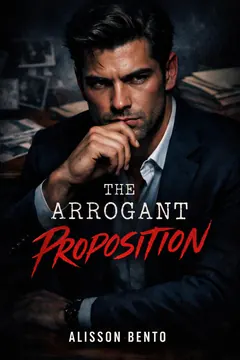
A competent hero in romance can act effectively; a controlling hero restricts another adult character’s choices. Those qualities can coexist, so confidence or skill alone does not tell you what relationship the book offers. The most useful reading question is whether his help gives his partner more ways to act or makes his preferred outcome the only available one.
You can love practical tenderness, dangerous devotion, or a darker power struggle. Naming the difference helps you choose the particular fantasy you want. This guide examines fictional scenes and reader preferences, with adult characters throughout; it does not diagnose people or turn a romance trope into a rule for real relationships.
Competence describes an ability, not automatic romantic authority
A hero can organize a difficult project, explain a confusing problem, or remain composed when a plan collapses. Those skills make him effective within the story. They do not establish that he understands his partner’s priorities better than the partner does.
Skill, emotional attentiveness, and influence are separate qualities. A character can have one without the others. The pleasure of a capable romantic lead often comes from seeing the qualities connect: he understands a problem, notices what matters to the other adult, and offers help that fits their goal.
What does competence mean on the page? Look for a specific action with a meaningful result. An impressive title or a narrator repeatedly calling someone brilliant is weaker evidence than a scene where he solves a problem, acknowledges what he does not know, or adapts when new information arrives.
Being decisive can include listening
A decisive hero need not spend every scene giving orders. He can make a clear proposal, explain why he favors it, and still ask what the other adult thinks. That combination preserves the attraction of someone who can act while leaving room for a relationship between two minds.

Kindle edition · Check Kindle Unlimited availability on Amazon.
The response to disagreement reveals more than a protective label
The revealing moment often arrives after a refusal. Does the hero accept the answer, ask a useful question, or reconsider an assumption? Does he instead dismiss the choice, hide information, or arrange events so his partner cannot take another path?
Consider an invented adult couple, Vera and Daniel. Vera needs space to finish a creative project. Daniel offers to organize the crowded room she uses. She says she wants help moving boxes but wants to decide what stays. In one version, he follows her instructions and suggests a workable arrangement. His competence serves her purpose.
In another version, he sends away materials she wanted to keep because he thinks he knows what she needs. He may produce a beautiful room, but the result removes a choice Vera explicitly claimed. The scene’s size and polish do not erase that difference.
Can a hero disagree without becoming controlling? Yes. Disagreement is not itself the problem. Two adult characters can defend competing preferences, explain concerns, and decline a request. The distinction lies in whether each remains able to make meaningful decisions, not whether the hero is always agreeable.
A different choice is a useful test
Watch what happens when a partner understands his suggestion and chooses another workable approach. A collaborative hero may be disappointed yet still help adapt it. A controlling pattern can emerge if he treats any alternative as proof that the partner is incapable of deciding.
Practical help can make a capable partner more capable
Does accepting help weaken a competent heroine or another capable romantic lead? No. In fiction, competence need not mean doing everything alone. An adult can understand their own problem and still welcome time, resources, another perspective, or someone willing to handle a task.
The appealing distinction is whether help supports an existing goal or replaces it. A hero who asks which part of a project is most difficult learns something. A hero who assumes the whole project should be abandoned imposes a different answer. Both scenes can create drama, but they offer different kinds of reassurance.
A reader request about a highly capable heroine receiving practical help shows that independence and assistance can be desired together. The partner need not be helpless for an act of service to feel romantic.
In an invented example, adult designer Rosa has a strong plan but too little time to prepare a presentation. Her adult partner Malik asks which tasks someone else can handle. He organizes the materials she identifies and returns them for her review. She remains the person making the creative decisions; his help makes those decisions easier to carry out.
Notice whether care travels in both directions
A relationship can include uneven moments of need without assigning one adult permanent superiority. Look for occasions when the hero accepts his partner’s expertise, changes his mind, or receives help himself. Mutual recognition gives practical tenderness somewhere to grow beyond the rescue scene.
Protective, possessive, and competent are different reading clues
Protective language suggests an interest in someone else’s welfare within the story. Possessive language suggests a claim or intense desire around belonging. Competence concerns the ability to act. A blurb can combine these words, but they do not describe exactly the same trait.
Can a hero be protective without being controlling? A fictional hero can offer company, information, or support while leaving the other adult involved in the decision. He can also express fear without making that fear the partner’s instruction. The scene shows the distinction more clearly than the adjective does.
A possessive line can be playful within one story and part of a sustained restriction in another. Read the surrounding response. Is it welcomed by the partner? Can they answer back or set a limit? Does the narrative make their reaction visible, or only celebrate the hero’s intensity?
You do not need to flatten every fictional protector into the same experience. Some readers want a gentle, attentive lead; others deliberately seek obsessive or domineering characters. Specific language about the behavior helps both readers find what they came for.
A job can create opportunities to display skill without answering these relationship questions. For that distinction in a particular setting, see medical romance beyond professional competence. A fictional career is context, not proof of emotional generosity.
When does a grand gesture leave room to choose?
A grand gesture can feel irresistible when it answers something the partner actually wants. The size of the gesture is less useful than its fit. Ask whether the hero has listened, whether the result can be accepted freely, and whether refusal would remain possible.
Imagine an invented adult heroine who has said she wants to celebrate a personal milestone quietly. One fictional hero arranges a private dinner with the people she named. Another creates a surprise public event that makes her the center of attention. Both exert effort, but only one follows the preference the scene established.
That does not make every surprise gesture unwelcome. A story can show that the adults know each other’s tastes and enjoy surprises. The question is whether the gesture fits this particular person, rather than whether it looks impressive in isolation.
Money can widen options or determine the outcome
A wealthy hero may offer resources that make a partner’s goal achievable. He may also attach conditions that turn assistance into pressure. Look for what the adult receiving help can still decide after the offer. A glamorous setting does not settle that question.
Private information matters as much as money. Someone who explains the available options lets the partner think. Someone who withholds a crucial fact to steer the answer changes what the choice means. This is a literary question about the scene’s construction, not a professional or legal assessment.
Can a controlling hero change during the romance?
A novel can build an arc around a character learning to share decisions. If that is the promise you want, look for change in actions rather than only a remorseful speech. An apology may open the door; the later response to a similar situation shows whether the pattern has shifted.
Return to Vera and Daniel’s invented room dispute. A meaningful repair could involve Daniel acknowledging the particular decision he took away, helping recover what can be recovered within the story, and asking before making the next change. The new scene would let Vera decide how to proceed instead of requiring her to praise his intentions.
For a reader who wants an earned transition toward collaboration, consequences matter. Does the partner get to remain angry? Can they reject an offered repair? Does the hero learn the preference he ignored? Those moments give the change substance.
Some books deliberately sustain the darker dynamic instead. Their appeal may be obsession, resistance, or a power struggle rather than a shift toward shared decision-making. A controlling character does not automatically mean the author accidentally wrote a different trope. Check the stated tone and content notes to understand the intended experience.
Use a sample to separate demonstrated skill from flattering narration
What should you look for in the opening? Start with what the hero does, what the partner wants, and whether those two things connect. A sample may show practical attention, dismissive confidence, or a complicated mix. You do not need to decide his entire arc from one exchange.
Notice who narrates the attraction. A viewpoint character may admire him intensely while the scene also shows an unresolved disagreement. Their admiration is part of the fictional experience, but you can still examine the action yourself. The book may be inviting tension between what the character wants and what they have not yet understood.
The informal phrase competence porn is sometimes used to celebrate enjoyable displays of skill; it does not by itself establish explicit sexual content. If heat level matters, check that separately. Likewise, capable hero does not guarantee low conflict, sweetness, or a particular ending.
- Find a specific problem the hero understands or handles.
- Identify the partner’s stated goal rather than assuming it.
- Watch how he responds to a refusal or alternative.
- Check what options remain after his intervention.
- Look for mutual attention and room for the partner’s expertise.
A sample is a small window. Later scenes might complicate or repair the behavior you see. Combine your impression with the description and spoiler-light discussion when you need a clearer sense of the full relationship arc.
Choose the reassurance or power struggle you want tonight
For practical tenderness, try search phrases such as capable hero, acts of service, mutual respect, or protective without possessive. For a darker reading mood, be specific about the intensity you want and the material you prefer to avoid. Those phrases express preferences; verify what each actual book promises.
It is useful to name your favorite moment. Perhaps you want him to solve a problem she asked him to solve. Perhaps you want him to hear no and stay present. Perhaps you want a difficult fictional man to discover that devotion will require changing how he acts. Each is a different invitation.
The final reading test is concrete: after he helps, can the other adult do more of what matters to them, or must they now live inside his answer? That question keeps the attraction of competence clear while making room for the exact romance you want to read.